Missouri Milkvetch Astragalus missouriensis
Also called Missouri Milk-vetch, Missouri Locoweed
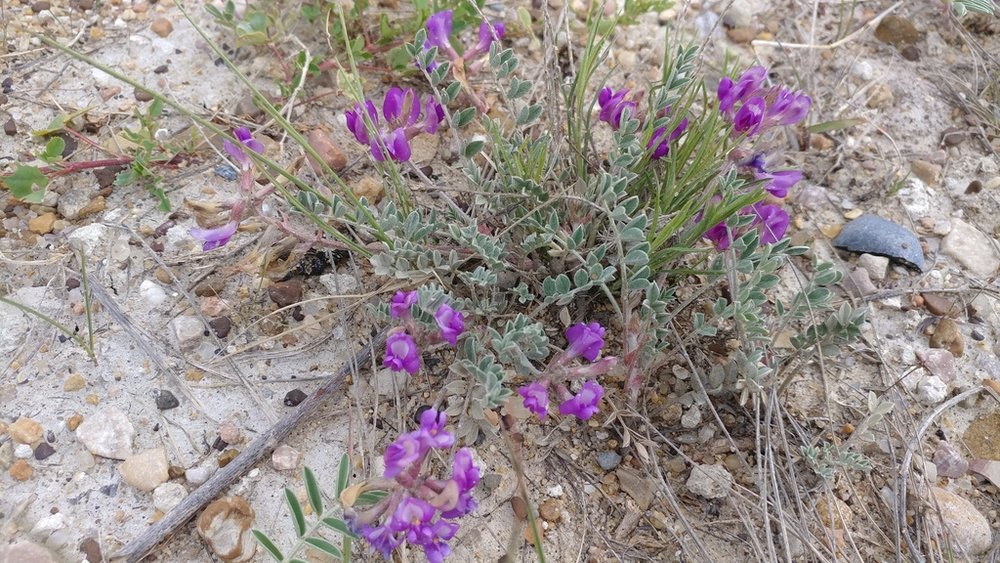
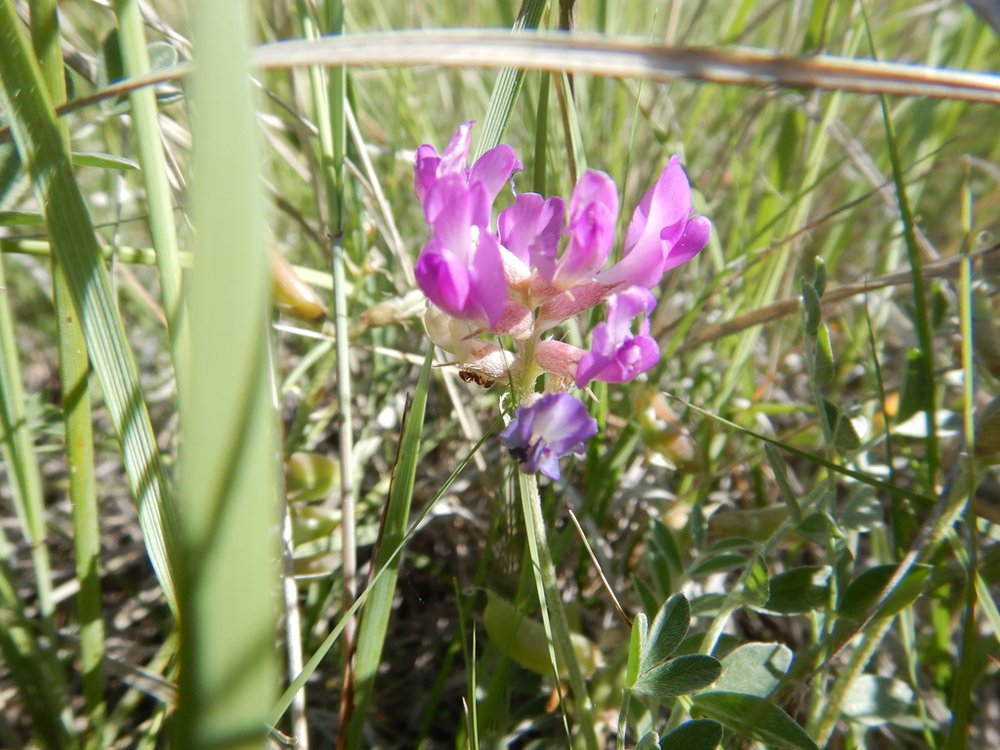
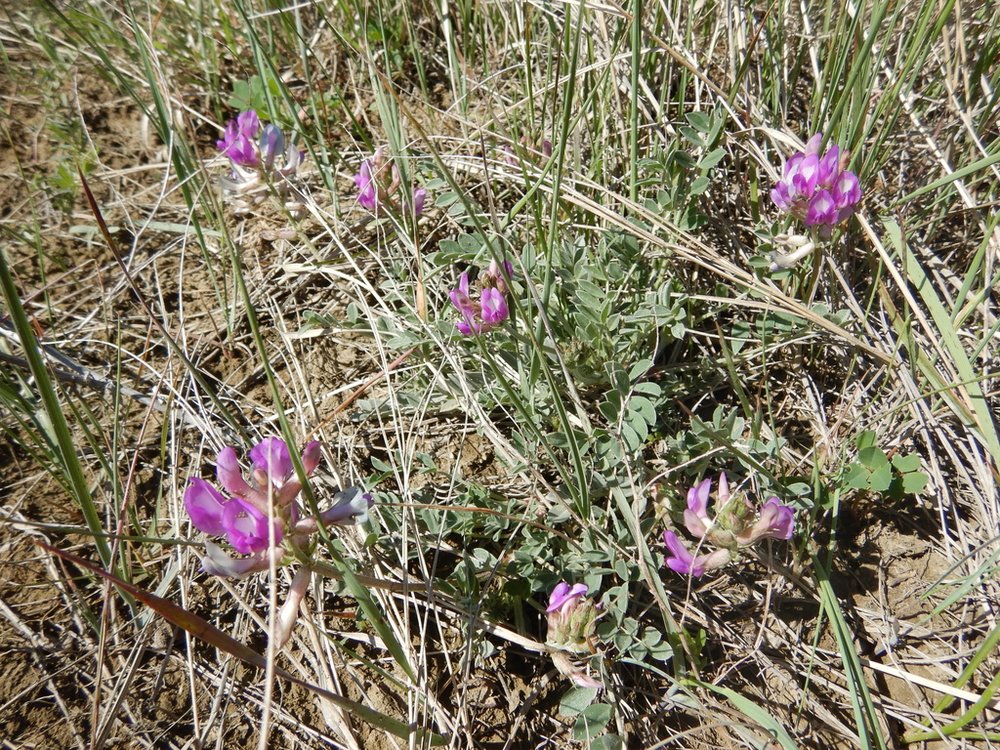
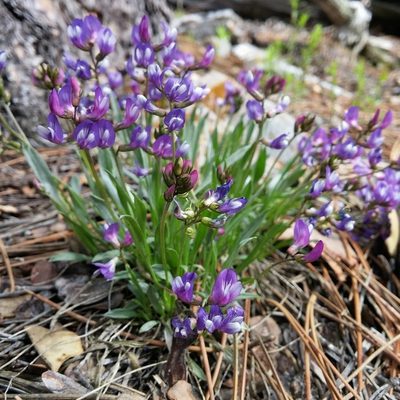
Missouri Milkvetch (Astragalus missouriensis) is a low native perennial of dry prairie and rocky slopes whose silvery, hair-covered leaves lie almost flat on the ground, with short stalks of rose-purple pea flowers from May into July and plump, beaked, hairy pods after. In the Black Hills the National Park Service lists it at Wind Cave, Jewel Cave and Devils Tower, and herbarium specimens come from every county in the Hills.
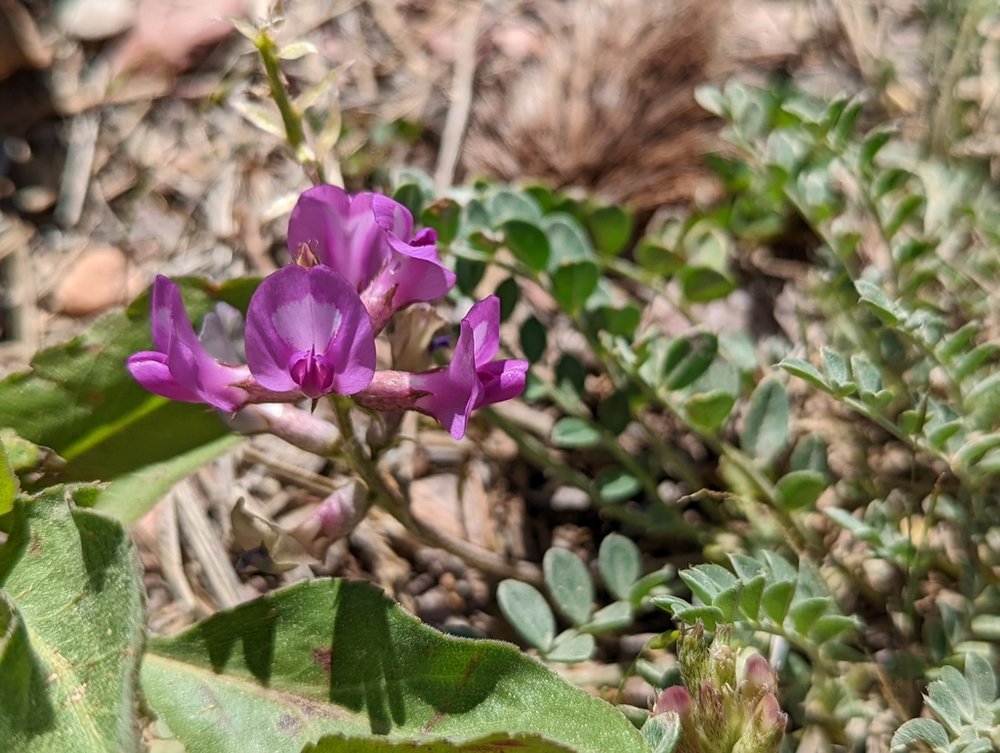
Free photos from other sources
| Family | Fabaceae · Pea |
|---|---|
| Status | Native perennial |
| Blooms | May into July |
| Height | 2.5–15 cm (1–6 in) |
| Where | Dry prairie, hillsides, bluffs and gravelly or clay slopes with sparse cover, and openings in ponderosa pine forest |
| Also called | Missouri Milk-vetch, Missouri Locoweed |
| Synonym | Astragalus missouriensis var. missouriensis, Xylophacos missouriensis |
| Toxicity | Missouri State University's weed page rates its toxicity very low and says it can take up some selenium. |
Roots, seeds & germination
Root: A taproot topped by a slightly woody crown that forks loosely as the plant ages. Each year's stems are short, mostly under 15 cm (6 in), and lie flat, spreading out from the crown.
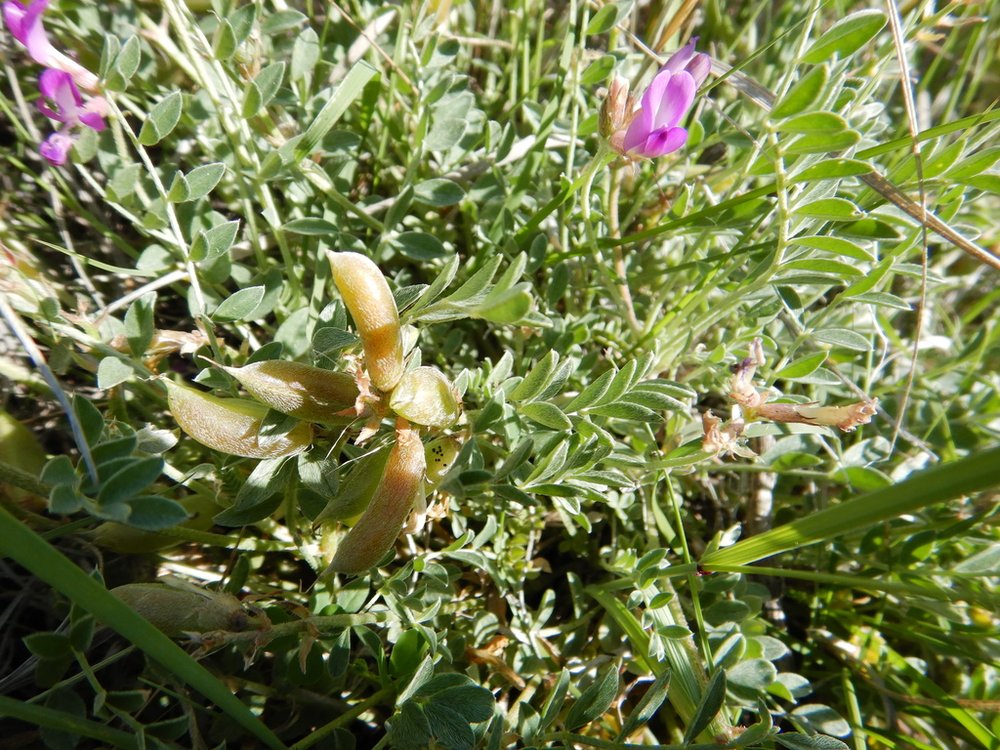
Seed: The pod sits directly on the stem, 1.4–2.7 cm (½–1 in) long and 5–9 mm wide, oblong with a sharp beak and covered in short stiff hairs. Green and fleshy at first, it turns leathery and black with a wrinkled, net-like surface, and holds 36 to 50 ovules. The seeds are brown, pitted or wrinkled and 2–3 mm long. The pod often stays on the plant on its withered stalk into the second year.
How do you identify Missouri Milkvetch?
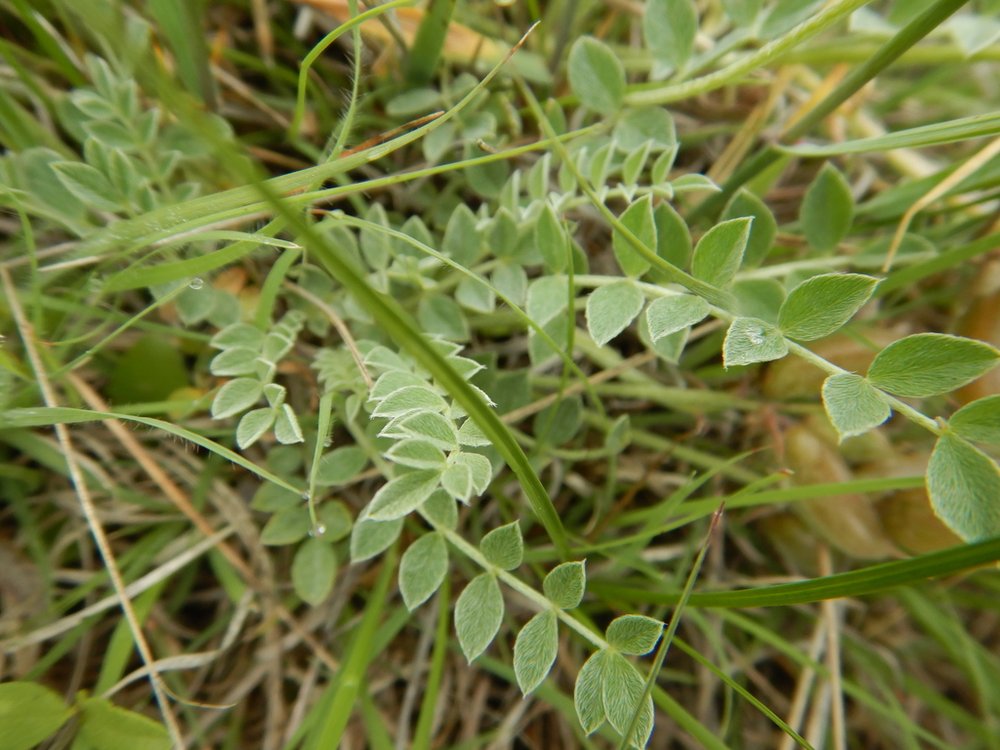
Look for a low plant whose few short stems lie flat, the whole thing silvery-white to gray-green from straight, shiny hairs pressed against the leaves. Each leaf is divided into 5 to 21 (usually 11 to 17) oval leaflets 3.5–13 mm long, hairy on both sides. Stout flower stalks 3.5–11 cm long rise in flower and lie down in fruit, each with a short loose cluster of 3 to 15 pink-purple flowers; the banner is 9.5–22 mm long with a pale patch in its fold, and the calyx (the cup behind the petals) has mixed black and white hairs. The pod is the other mark: plump, oblong and beaked, 1.4–2.7 cm (½–1 in) long, hairy, turning leathery and black with a wrinkled surface and often staying on the plant into the next year. Barneby's Atlas says that over most of its range the only other low, tufted milkvetch with divided leaves and the same pick-shaped hairs (each hair attached near its middle) is Lotus Milkvetch, and Minnesota Wildflowers separates it from other milkvetches by its gray-green leaves, large upper petal and mostly prostrate growth. Tufted Milkvetch has single-blade leaves, a banner 6.5–9.5 mm long and flattened pods 4–13 mm long. Groundplum Milkvetch has sprawling stems 10–60 cm (4–24 in) long, 15 to 27 leaflets that are sparsely hairy or hairless above, and smooth, fleshy, round to egg-shaped pods. Lambert's Crazyweed has no stems, flower stalks 5–30 cm (2–12 in) tall with 6 to 25 flowers, and cylinder-shaped, silky pods.
When does it bloom?
May into July.
Where does it grow?
Dry prairie, hillsides, bluffs and gravelly or clay slopes with thin cover, on limestone, shale, sandstone, gypsum and gumbo clay, and sunny openings in ponderosa pine forest, from about 1035 to 2020 m (3400 to 6630 ft). The National Park Service lists it as present at Wind Cave National Park, Jewel Cave National Monument and Devils Tower National Monument; the 1986 Jewel Cave plant survey records it, and the park's wildflower page says it adds color along the trail. Herbarium specimens from 1892 to 2018 come from Pennington, Fall River, Lawrence, Custer and Meade counties in South Dakota and Weston and Crook counties in Wyoming, many of them from the plains and badlands around the Hills: a sandstone outcrop in open pine forest, a pine-grass slope near Jewel Cave, a stony ridge in Wind Cave National Park, a grazed limestone opening, gypsum prairie, and red sandy slopes of the red beds.
Other milkvetches and locoweeds in this guide
Compare all 12 milkvetches and locoweeds side by side
Barr's Milkvetch
Astragalus barrii
Canada Milkvetch
Astragalus canadensis
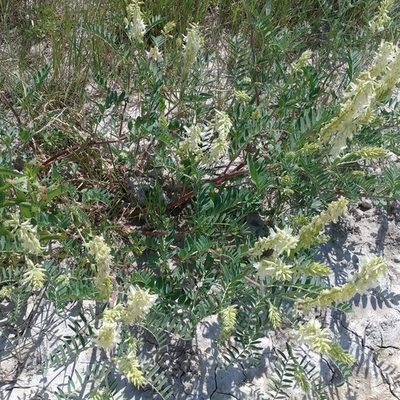
Cream Milkvetch
Astragalus racemosus
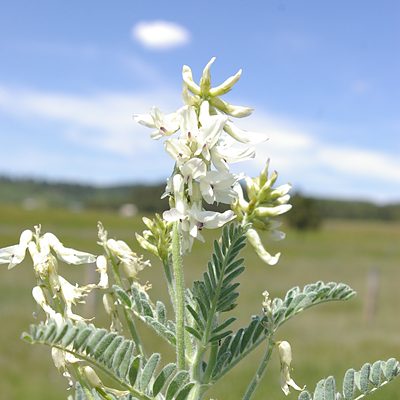
Drummond's Milkvetch
Astragalus drummondii
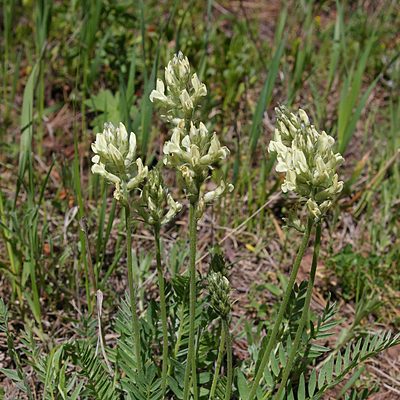
Field Locoweed
Oxytropis campestris
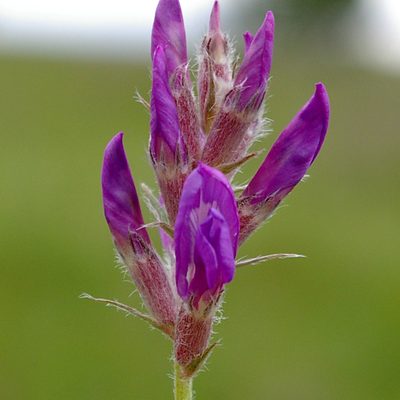
Field Milkvetch
Astragalus agrestis
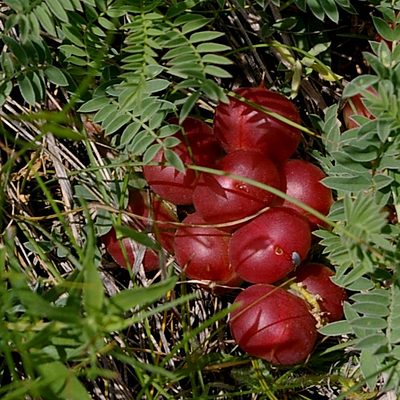
Groundplum Milkvetch
Astragalus crassicarpus
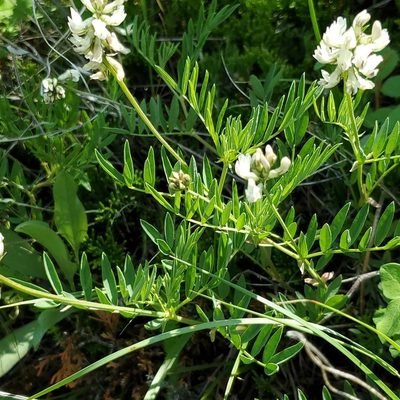
Indian Milkvetch
Astragalus australis
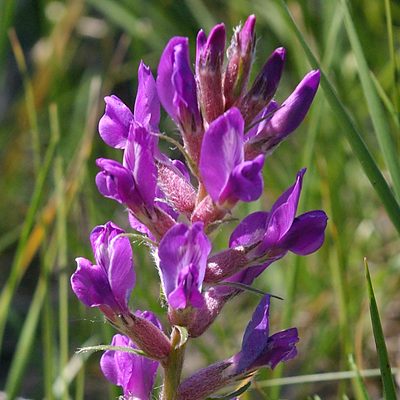
Lambert's Crazyweed
Oxytropis lambertii
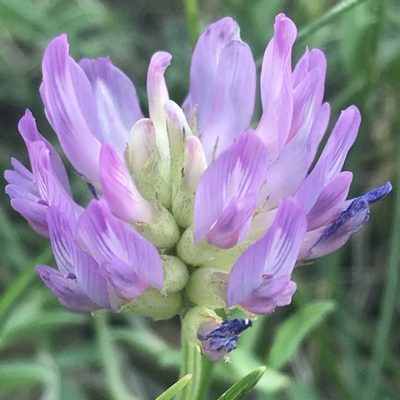
Laxmann's Milkvetch
Astragalus laxmannii var. robustior
Tufted Milkvetch
Astragalus spatulatus
Pea family (Fabaceae): 31 other plants in this guide
- Alfalfa
- Alpine Sweetvetch
- American Vetch
- Barr's Milkvetch
- Black Medic
- Canada Milkvetch
- Canada Tickclover
- Cream Milkvetch
- Crown Vetch
- Drummond's Milkvetch
- Field Locoweed
- Field Milkvetch
- Golden Pea
- Groundplum Milkvetch
- Indian Milkvetch
- Lambert's Crazyweed
- Laxmann's Milkvetch
- Lead Plant
- Pale Vetchling
- Prairie Turnip
- Purple Prairie Clover
- Red Clover
- Silktop Dalea
- Silverleaf Scurfpea
- Silvery Lupine
- Slimflower Scurfpea
- Tufted Milkvetch
- White Clover
- White Prairie Clover
- Wild Licorice
- Yellow Sweetclover
Sources: Atlas of North American Astragalus (1964): Astragalus missouriensis — R. C. Barneby, New York Botanical Garden Steere Herbarium; Atlas of North American Astragalus (1964): Astragalus missouriensis var. missouriensis — R. C. Barneby, New York Botanical Garden Steere Herbarium; Astragalus missouriensis — Kansas Wildflowers and Grasses; Astragalus missouriensis (Missouri Milkvetch) — Minnesota Wildflowers; Astragalus missouriensis — Lady Bird Johnson Wildflower Center; Missouri milkvetch — Missouri State University, Darr College of Agriculture; Astragalus crassicarpus — Kansas Wildflowers and Grasses; Oxytropis lambertii — Kansas Wildflowers and Grasses; Atlas of North American Astragalus (1964): Astragalus spatulatus — R. C. Barneby, New York Botanical Garden Steere Herbarium; Astragalus missouriensis (ASMI10) — USDA PLANTS Database; Wildflowers — NPS, Jewel Cave National Monument; NPSpecies checklist, Wind Cave National Park vascular plants — National Park Service; NPSpecies checklist, Jewel Cave National Monument vascular plants — National Park Service; NPSpecies checklist, Devils Tower National Monument vascular plants — National Park Service; A Survey of the Vegetation of Jewel Cave National Monument (1986) — Marriott and Hartman, NPS History; Astragalus missouriensis, South Dakota and Wyoming herbarium specimens — GBIF.