Drummond's Milkvetch Astragalus drummondii
Also called Drummond Milkvetch
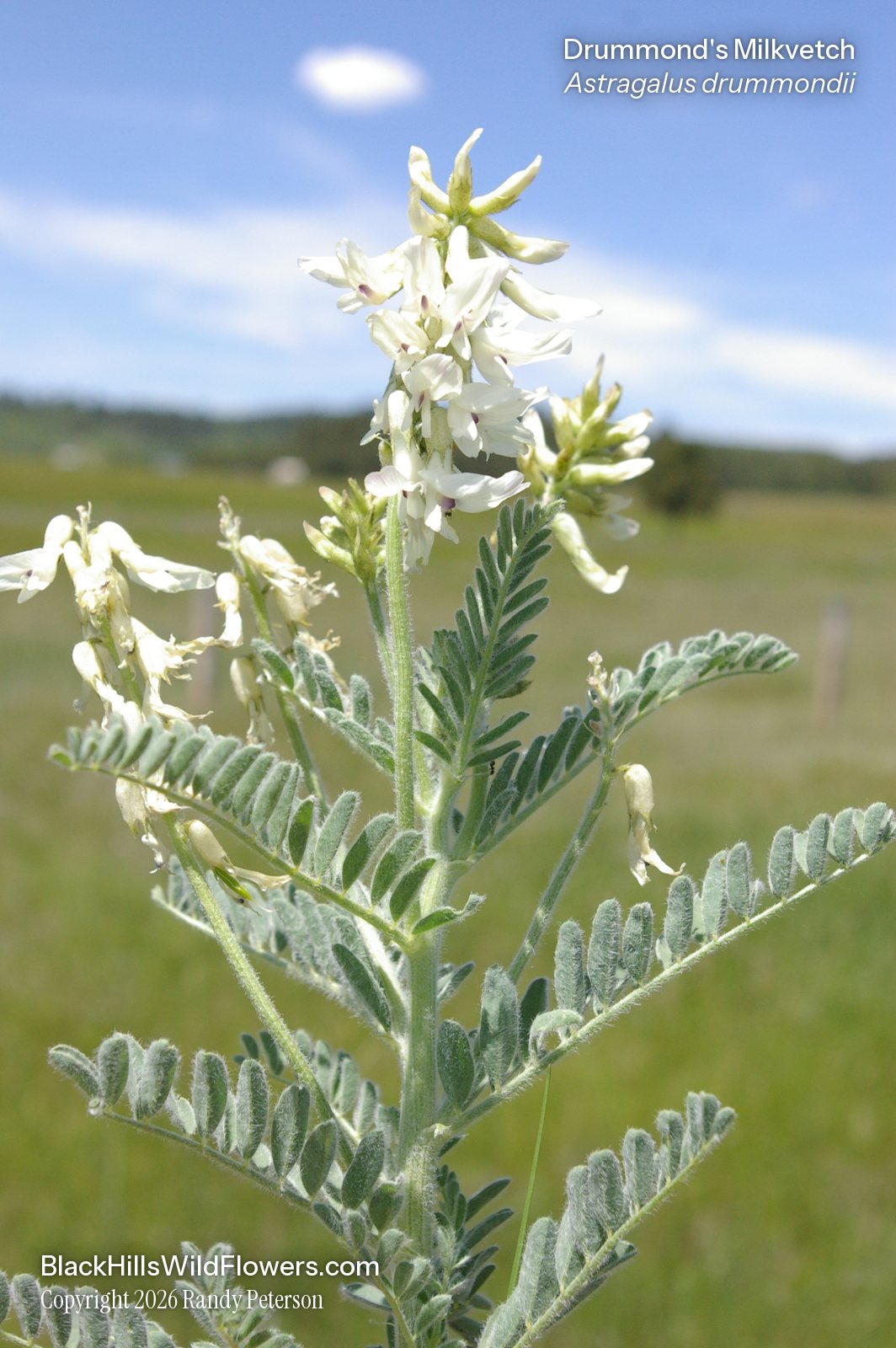
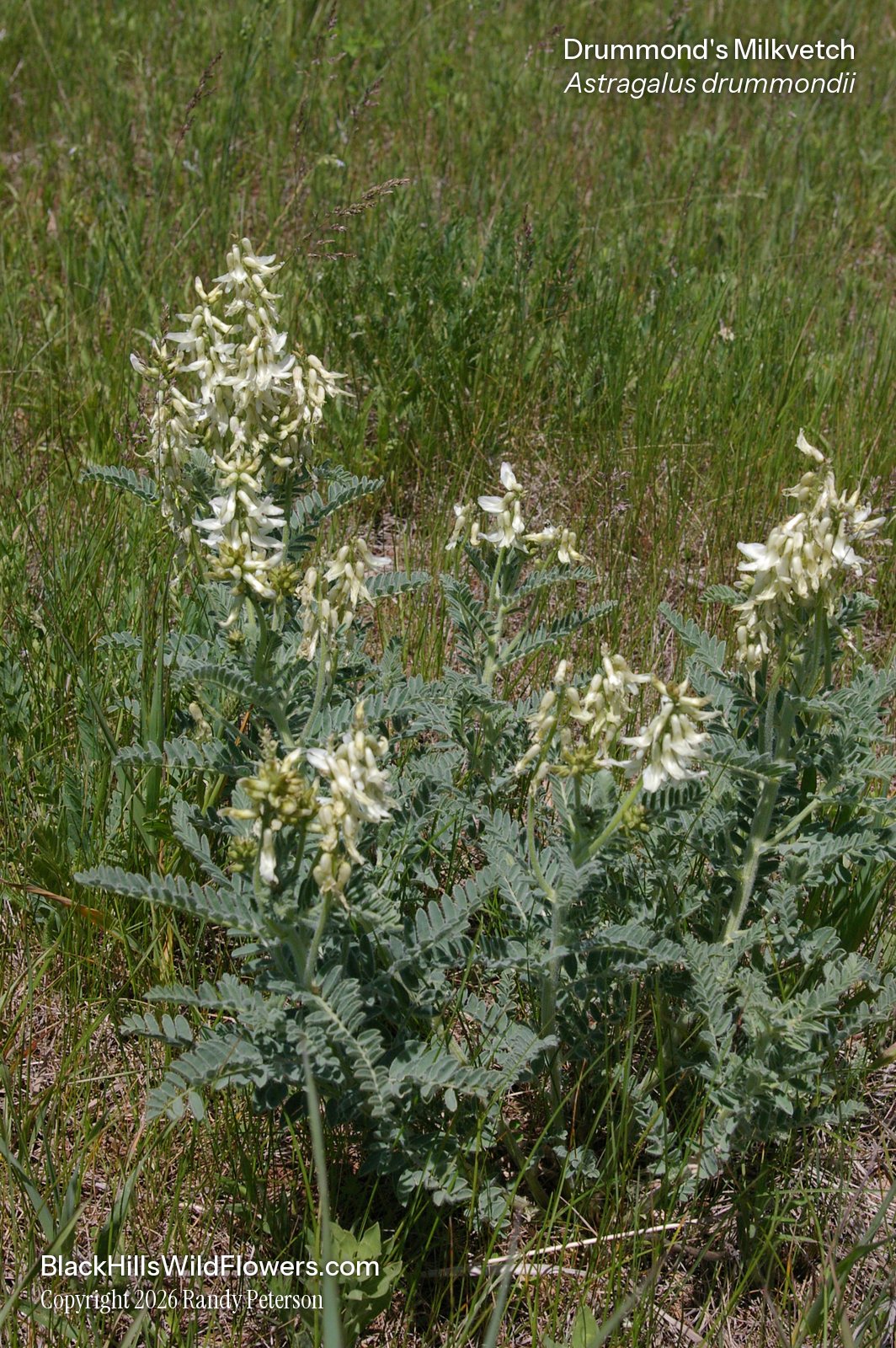
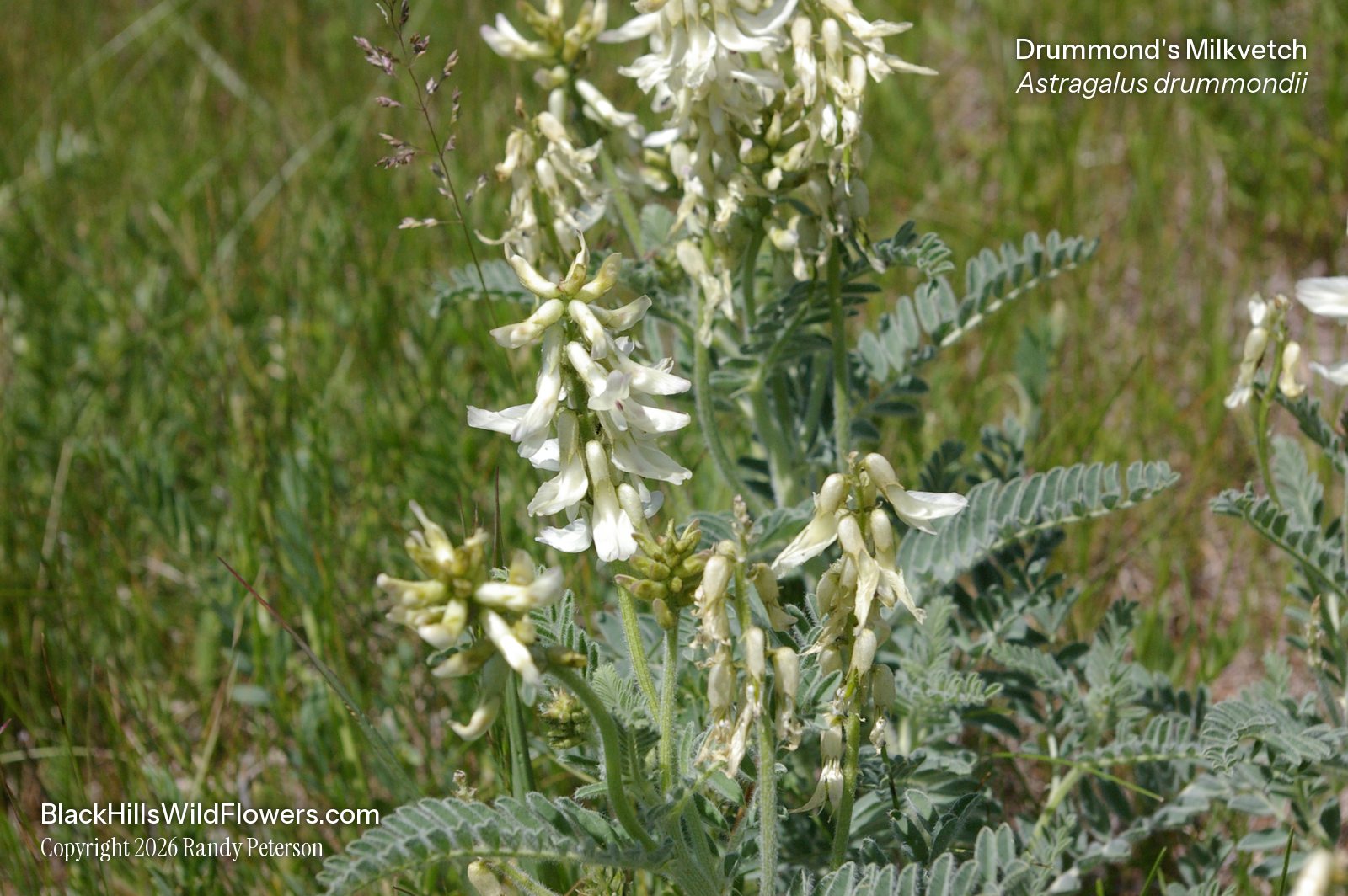
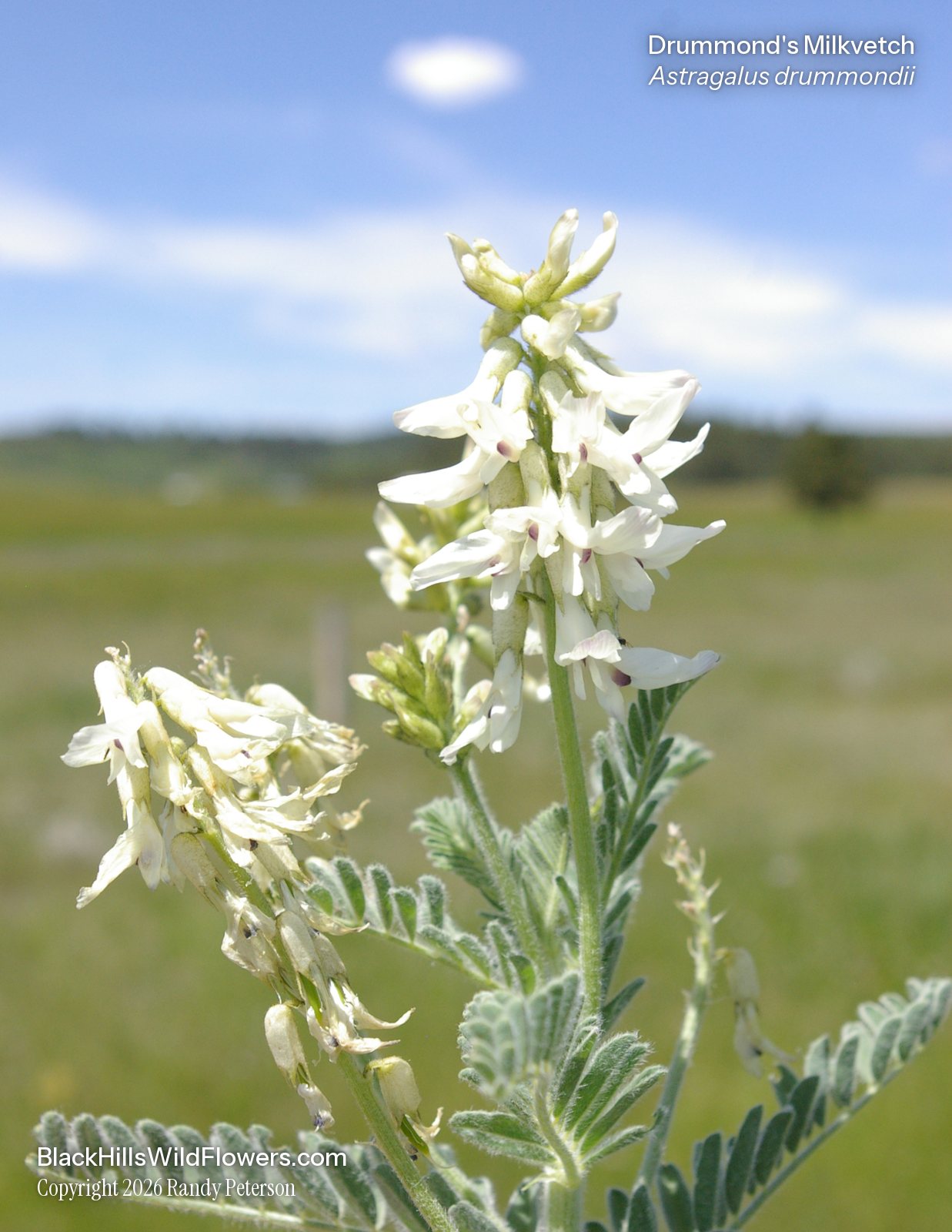
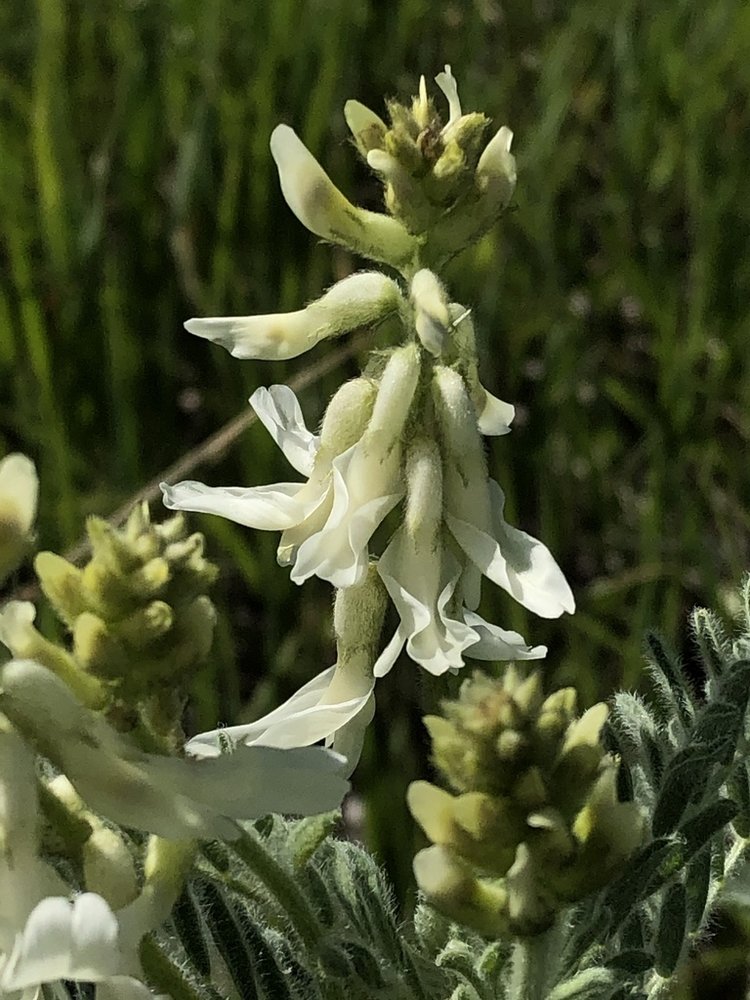
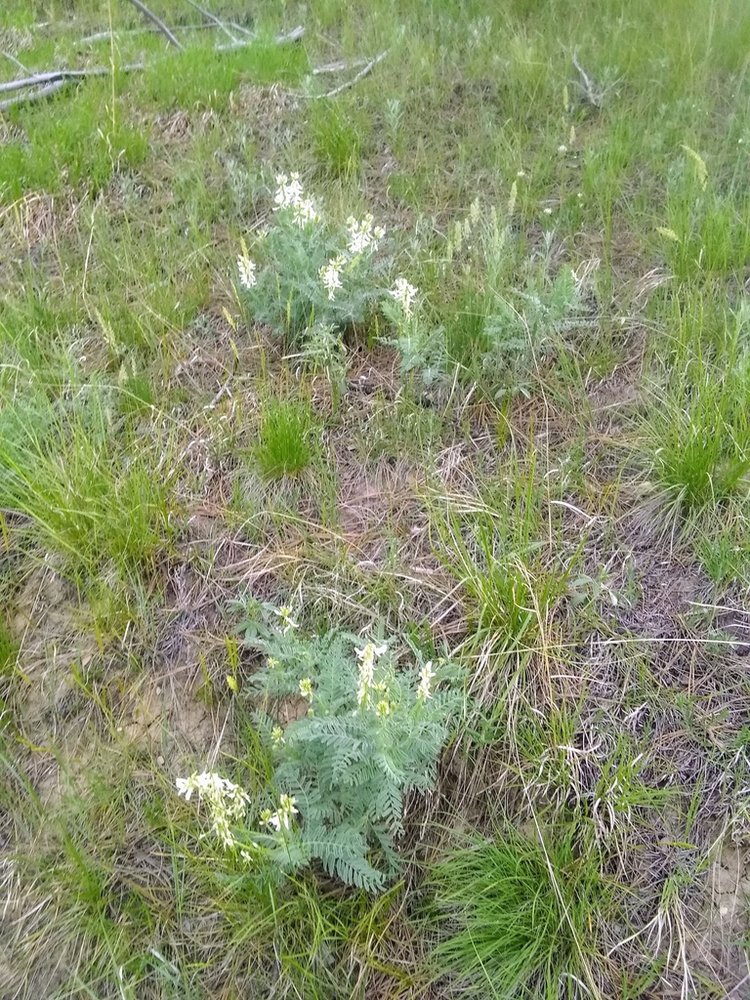
Drummond's Milkvetch (Astragalus drummondii) is a native perennial that grows in leafy clumps of upright, shaggy-haired stems with gray-green leaves of many small leaflets and loose spikes of creamy white pea flowers, each with a keel tipped in dull lilac. Herbarium labels from Wyoming and Montana show it flowering from May into July; it grows on dry grassland and open hillsides around the edges of the Black Hills, where the National Park Service lists it at Jewel Cave and Devils Tower. Photographed in the Black Hills.
Free photos from other sources
| Family | Fabaceae · Pea |
|---|---|
| Status | Native perennial |
| Blooms | May into July, from herbarium labels in Wyoming and Montana (no South Dakota bloom dates found) |
| Height | 25–60 cm (10–24 in) |
| Where | Dry grassland, open hills and clay hilltops, and grassy openings in open ponderosa pine woodland |
| Also called | Drummond Milkvetch |
| Toxicity | New Mexico State University lists swainsonine, the poison in locoweeds, as its toxic principle and measured it in a New Mexico sample. |
Roots, seeds & germination
Root: A woody taproot topped by a knotty root crown at or just below the ground; the lowest part of each stem is bare and buried.
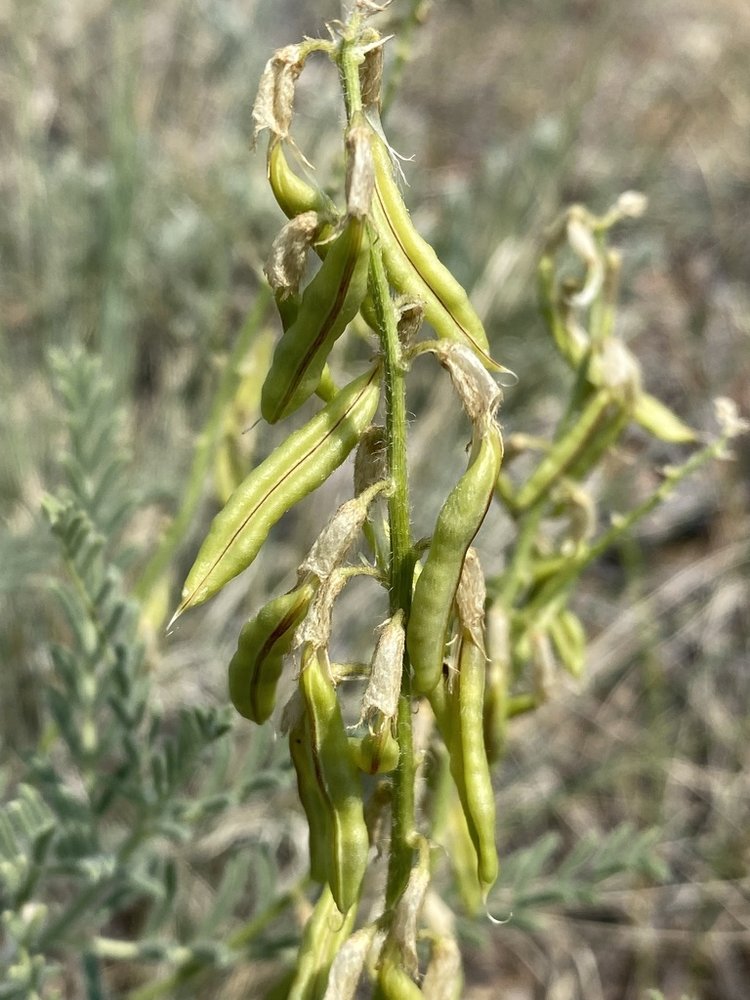
Seed: The pods hang down on slender stalks 6–11 mm long. Each pod body is 1.5–3.2 cm (⅝–1¼ in) long and 3.5–5.5 mm wide, hairless and grooved underneath, with a prominent, often purplish-brown seam, and turns from glossy green to papery straw-color as it ripens. The seeds are brown to dark brown and 2–3 mm long.
How do you identify Drummond's Milkvetch?
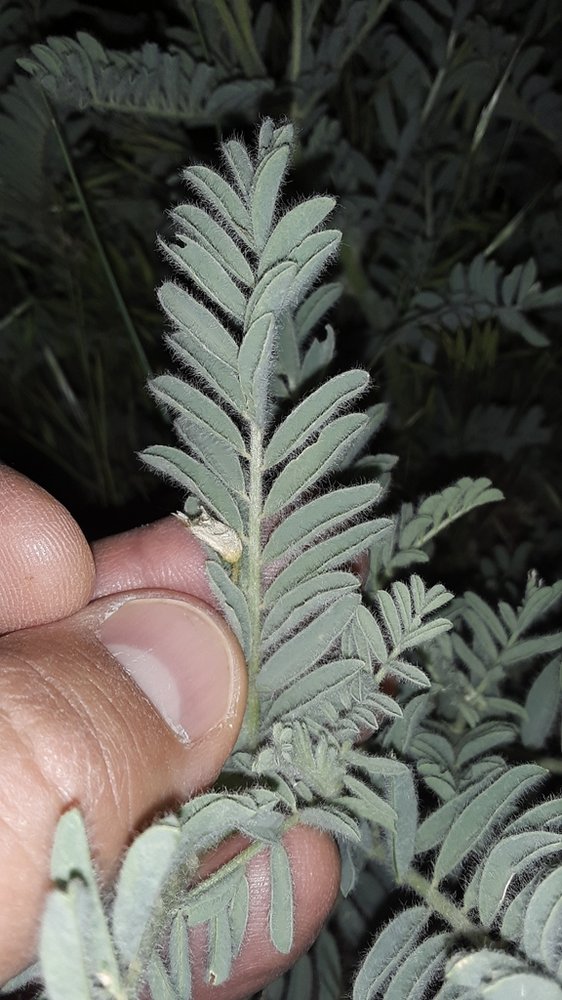
Look for clumps of stout, upright, hollow stems 25–60 cm (10–24 in) tall, covered like the leaves with long, spreading, often wavy hairs. The leaves are 4–10 cm (1½–4 in) long, with 13 to 33 narrow, round-tipped leaflets. Long-stalked spikes of 14 to 50 nodding flowers stand above the leaves; each flower is whitish to pale cream, 1.5–2.5 cm (⅝–1 in) long, with a tubular calyx (the cup of sepals) clothed in black, white or mixed hairs and a keel tipped with dull lilac. The pods hang down on slender stalks 6–11 mm long; they are hairless, 1.5–3.2 cm (⅝–1¼ in) long and grooved underneath, glossy green at first and papery straw-colored when ripe. Barneby's treatment of the genus calls it the only tall, upright milkvetch with shaggy-haired foliage in its range, which makes it easy to recognize.
When does it bloom?
May into July, from herbarium labels in Wyoming and Montana (no South Dakota bloom dates found).
Where does it grow?
Dry grassland, open hills and clay hilltops, and grassy openings in open ponderosa pine woodland, mostly around the edges of the Hills. Barneby gives its range as reaching east to the Black Hills. Herbarium specimens come from Fall River and Custer counties, SD (1892 to 1991), including midgrass prairie in open ponderosa pine woodland, and from Crook County, Wyoming (1927 to 1983), on clay hilltops, dry hillsides and grassland, including grassland in the Bear Lodge Mountains. The National Park Service lists it at Jewel Cave and Devils Tower, and the 1986 Jewel Cave survey recorded it.
Other milkvetches and locoweeds in this guide
Compare all 12 milkvetches and locoweeds side by side
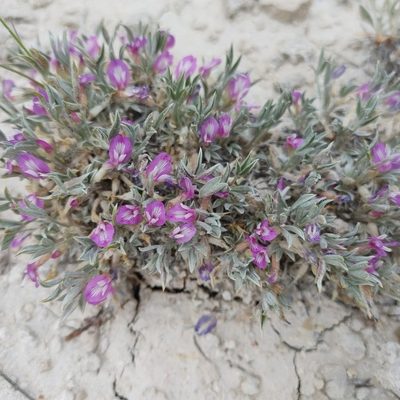
Barr's Milkvetch
Astragalus barrii
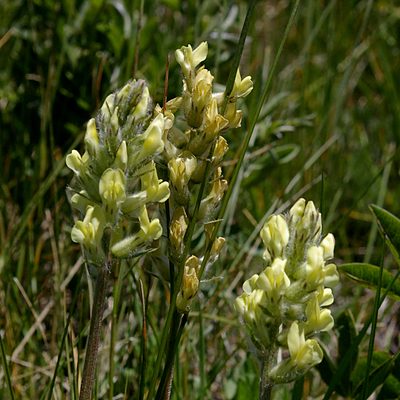
Canada Milkvetch
Astragalus canadensis
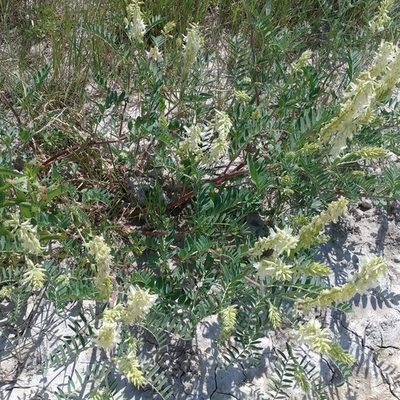
Cream Milkvetch
Astragalus racemosus
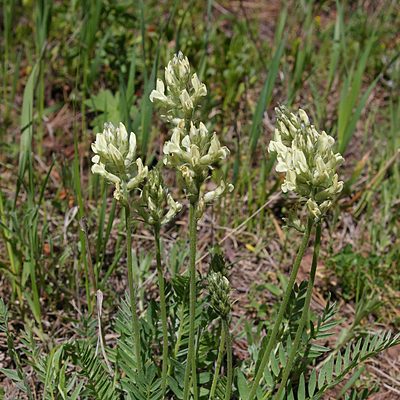
Field Locoweed
Oxytropis campestris
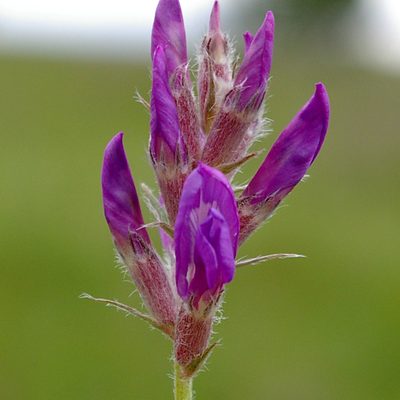
Field Milkvetch
Astragalus agrestis
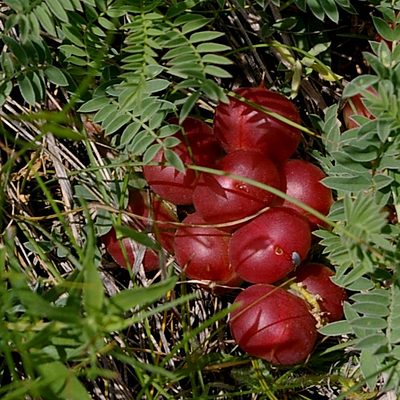
Groundplum Milkvetch
Astragalus crassicarpus
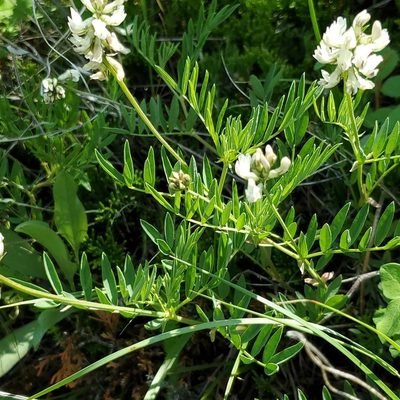
Indian Milkvetch
Astragalus australis
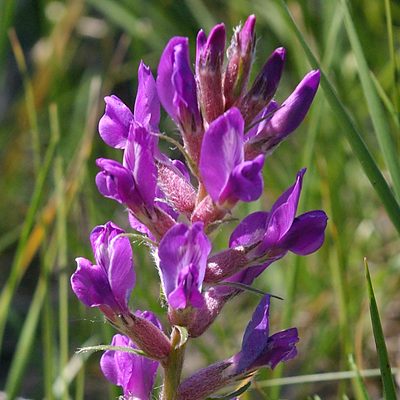
Lambert's Crazyweed
Oxytropis lambertii
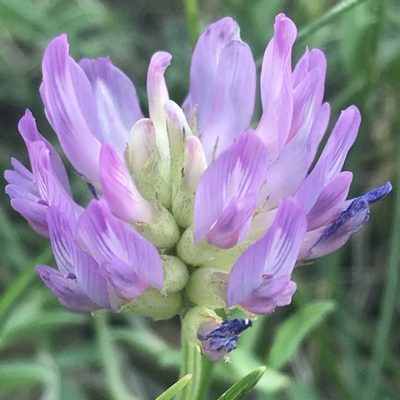
Laxmann's Milkvetch
Astragalus laxmannii var. robustior
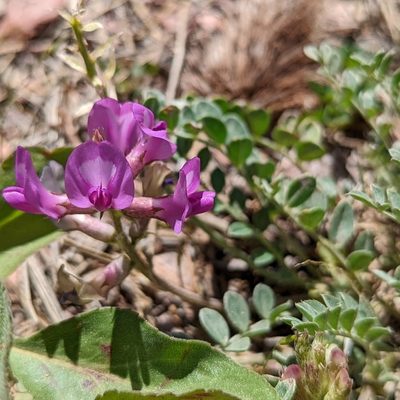
Missouri Milkvetch
Astragalus missouriensis
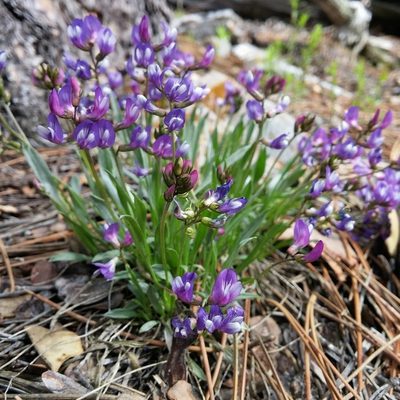
Tufted Milkvetch
Astragalus spatulatus
Pea family (Fabaceae): 31 other plants in this guide
- Alfalfa
- Alpine Sweetvetch
- American Vetch
- Barr's Milkvetch
- Black Medic
- Canada Milkvetch
- Canada Tickclover
- Cream Milkvetch
- Crown Vetch
- Field Locoweed
- Field Milkvetch
- Golden Pea
- Groundplum Milkvetch
- Indian Milkvetch
- Lambert's Crazyweed
- Laxmann's Milkvetch
- Lead Plant
- Missouri Milkvetch
- Pale Vetchling
- Prairie Turnip
- Purple Prairie Clover
- Red Clover
- Silktop Dalea
- Silverleaf Scurfpea
- Silvery Lupine
- Slimflower Scurfpea
- Tufted Milkvetch
- White Clover
- White Prairie Clover
- Wild Licorice
- Yellow Sweetclover
Sources: Rupert C. Barneby, Astragalus drummondii (entry 145), NYBG Steere Herbarium; Montana Field Guide: Drummond's Milkvetch, Astragalus drummondii (Montana Natural Heritage Program, citing Lesica et al. 2012); USDA PLANTS Database: Astragalus drummondii (ASDR3); New Mexico State University Circular 557: A Guide to the Common Locoweeds and Milkvetches of New Mexico (Fox, Allred and Roalson); NPSpecies checklist, Jewel Cave National Monument vascular plants; NPSpecies checklist, Devils Tower National Monument vascular plants; Marriott and Hartman 1986, A Survey of the Vegetation of Jewel Cave National Monument; GBIF occurrence search: Astragalus drummondii herbarium specimens, South Dakota and Wyoming; GBIF occurrence search: Astragalus drummondii herbarium specimens, Montana (labels marked flowering, by month); GBIF specimen 2989943528: 1892, Black Hills, Fall River County (RSA); GBIF specimen 2573385682: 1935, Crook County WY, "clay hilltop" (COLO); GBIF specimen 2573384079: 1983, Bear Lodge Mountains, Crook County WY, "grassland" (COLO); GBIF specimen 1931104919: 1991, Custer County, "midgrass prairie, in ponderosa pine open woodland, thin soil" (NY).