Crown Vetch Securigera varia also listed as Coronilla varia
Also called Crownvetch, Purple Crownvetch
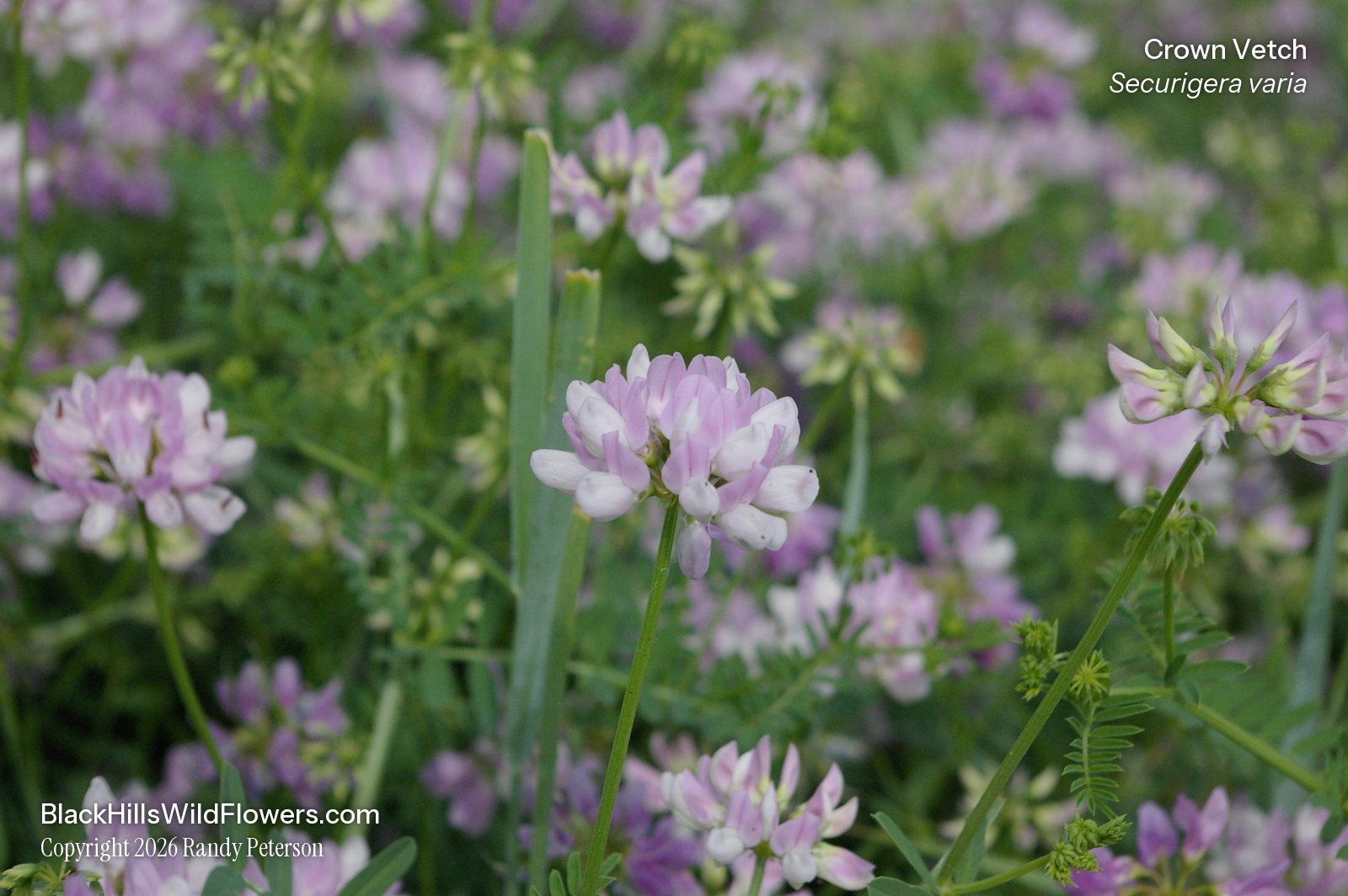
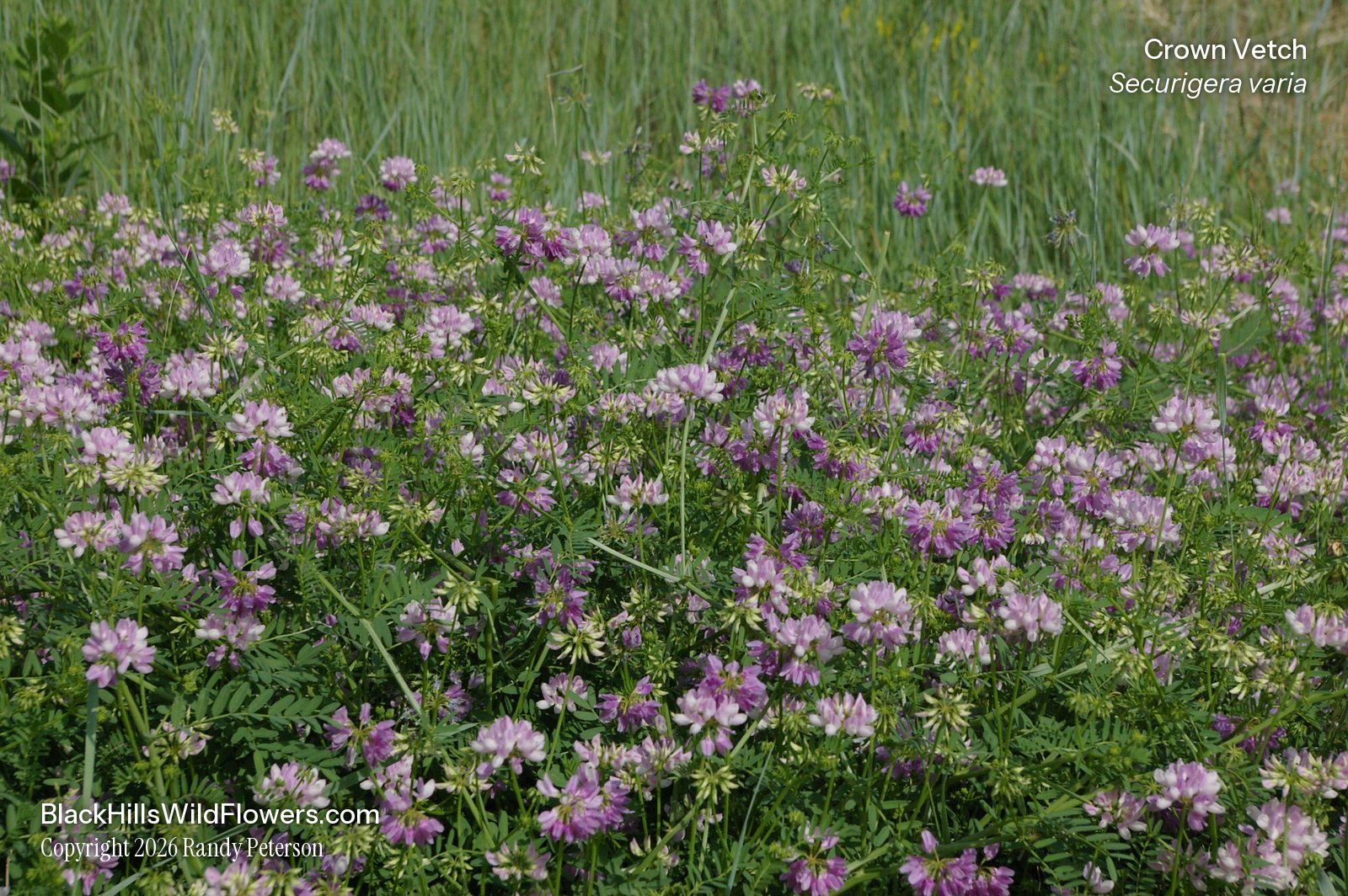
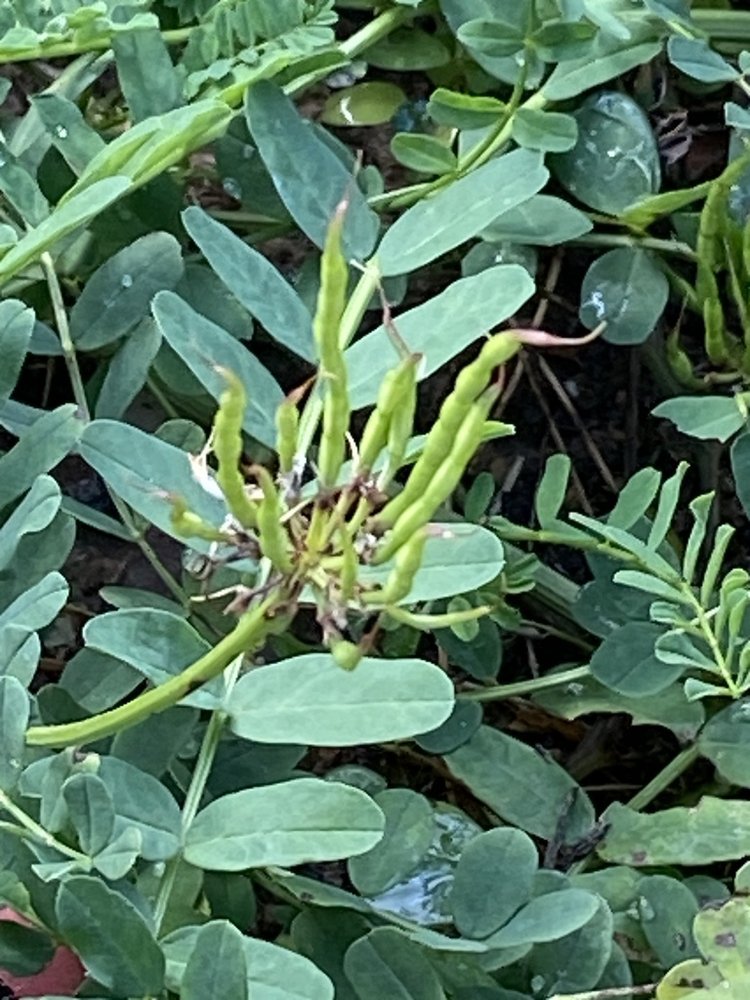
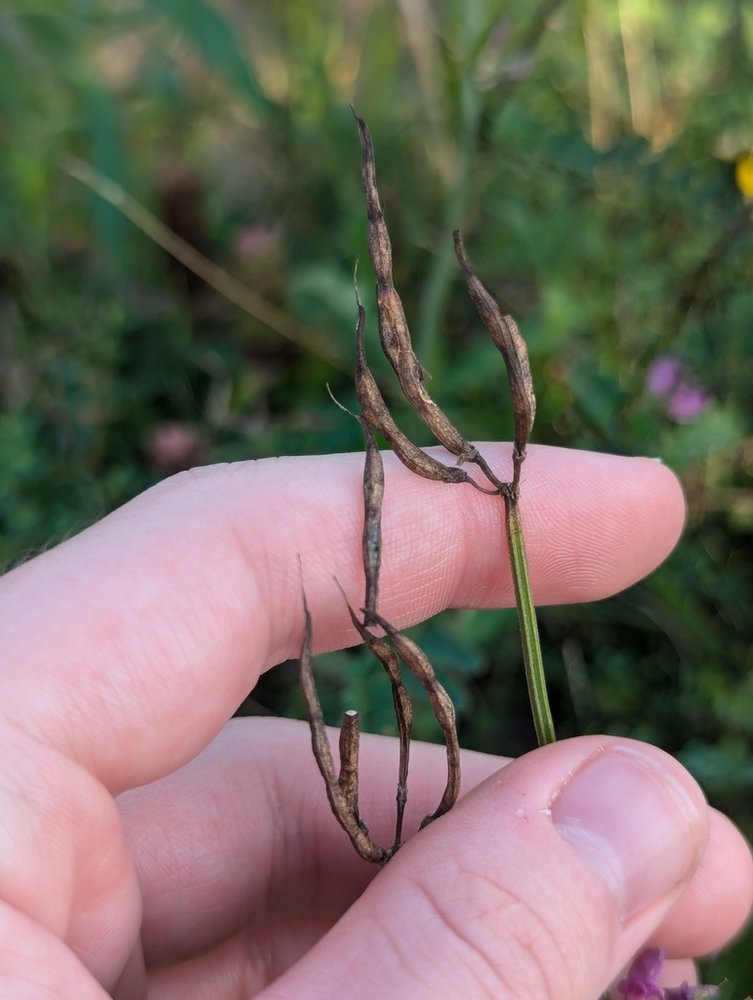
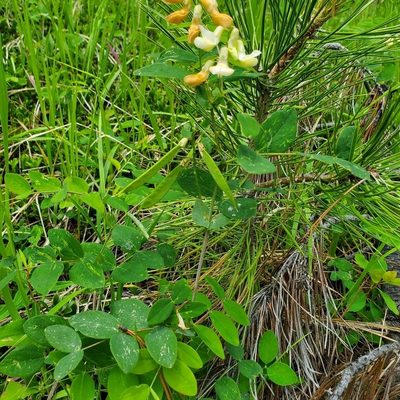
Crown Vetch (Securigera varia, long known as Coronilla varia) is a sprawling European legume with crown-like rings of pink-and-white pea flowers on long bare stalks above leaves cut into many small leaflets. It was planted for erosion control and spreads by thick underground stems into dense mats; in South Dakota it blooms from June through September, and in the Black Hills the National Park Service lists it at Jewel Cave and Mount Rushmore. Photographed in the Black Hills.
Free photos from other sources
| Family | Fabaceae · Pea |
|---|---|
| Status | Introduced perennial |
| Blooms | June through September |
| Height | 30–90 cm (12–36 in) |
| Where | Roadsides, embankments, old fields, disturbed ground, meadows and stream banks |
| Also called | Crownvetch, Purple Crownvetch |
| Toxicity | The foliage and seeds contain nitroglycosides, which are toxic to horses, and may be poisonous to other animals with simple stomachs; deer, elk and most livestock eat it. |
Roots, seeds & germination
Root: A deep, many-branched taproot and strong, fleshy rhizomes (underground stems) that can grow 3 m (10 ft) or longer, sending roots down and shoots up along their length. In a study in Iowa, every stem piece 2–10 cm (1–4 in) long with a joint sprouted new growth.
Seed: Each pod holds up to 12 cylindrical seeds 3–4 mm long, one in each joint, which ripen 6 to 10 weeks after the flower is pollinated. Most seed drops near the parent plant, but deer carry viable seed farther. Part of the seed has a hard coat (reports range from 20 to 80 percent), and reports of how long seed lasts in the soil range from under 2 years to 15 or more.
Germination: Seed sprouts best when the hard coat is nicked (scarified) and it is shallowly buried in moist, warm soil, about 20–25 °C (68–77 °F); once scarified, 85 to 90 percent usually sprouts. Salty soil delays and cuts germination.
How do you identify Crown Vetch?
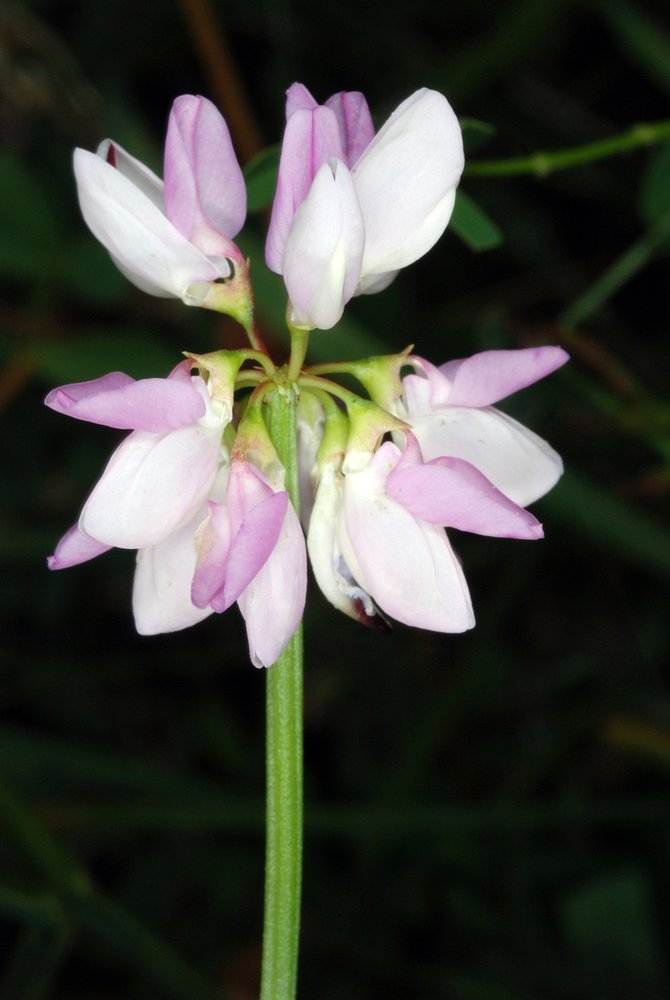
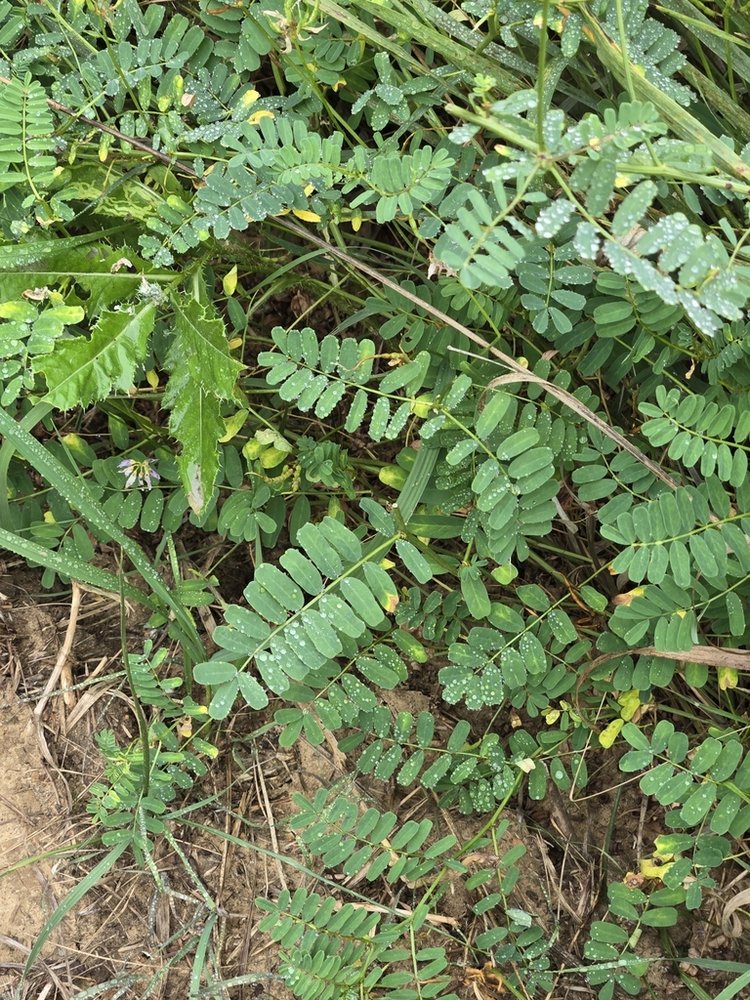
Look for rounded umbels, clusters in which every flower stalk starts from one point like the spokes of a wheel, of up to about 25 pea flowers, each about 1 cm (½ in) long, with a pink upper petal and paler pink to white lower petals. Each umbel sits on a bare stalk up to 15 cm (6 in) long rising from a leaf joint. The leaves are pinnate (feather-like), with 11 to 25 smooth, oblong leaflets often tipped with a tiny point, and they have no tendrils. After bloom, thin pods up to about 5 cm (2 in) long, beaked at the tip and pinched into one-seeded joints, stand out in a cluster like fingers and ripen reddish brown. The Fire Effects Information System notes that it lacks the tendrils of the true vetches, such as American Vetch, and Illinois Wildflowers notes that its umbels set it apart from other pea-family plants, which mostly bear their flowers in long clusters or, like the clovers, in heads of tiny tubular flowers.
When does it bloom?
June through September.
Where does it grow?
Roadsides, embankments, old fields and other disturbed ground, where it was often planted, as well as meadows, pastures and stream banks. Black Hills herbarium specimens, all from Lawrence and Pennington counties, SD, include plants near a stream with heavy cattle use (2000), on a sandy, open embankment (2002) and in ponderosa pine forest (2013); the oldest dates from 1971. The National Park Service lists it at Jewel Cave and Mount Rushmore, and the 1986 Jewel Cave survey recorded it as an introduced plant.
Other vetches in this guide
Pea family (Fabaceae): 31 other plants in this guide
- Alfalfa
- Alpine Sweetvetch
- American Vetch
- Barr's Milkvetch
- Black Medic
- Canada Milkvetch
- Canada Tickclover
- Cream Milkvetch
- Drummond's Milkvetch
- Field Locoweed
- Field Milkvetch
- Golden Pea
- Groundplum Milkvetch
- Indian Milkvetch
- Lambert's Crazyweed
- Laxmann's Milkvetch
- Lead Plant
- Missouri Milkvetch
- Pale Vetchling
- Prairie Turnip
- Purple Prairie Clover
- Red Clover
- Silktop Dalea
- Silverleaf Scurfpea
- Silvery Lupine
- Slimflower Scurfpea
- Tufted Milkvetch
- White Clover
- White Prairie Clover
- Wild Licorice
- Yellow Sweetclover
Sources: SDSU Open PRAIRIE: Fabaceae: Securigera varia (R. Neil Reese); USDA Forest Service Fire Effects Information System: Securigera varia (Gucker 2009); Minnesota Wildflowers: Securigera varia (Crown Vetch); Illinois Wildflowers: Crown Vetch, Securigera varia; USDA PLANTS Database: Securigera varia (SEVA4); NPSpecies checklist, Jewel Cave National Monument vascular plants; NPSpecies checklist, Mount Rushmore National Memorial vascular plants; Marriott and Hartman 1986, A Survey of the Vegetation of Jewel Cave National Monument; GBIF occurrence search: Securigera varia (incl. Coronilla varia) herbarium specimens, South Dakota and Wyoming; GBIF specimen 5895874017: 1971, Black Hills, Pennington County (NEB); GBIF specimen 3023457273: 2000, Lawrence County, near a stream with heavy cattle use (BHSU); GBIF specimen 3023457271: 2002, Lawrence County, embankment with sandy soil, open (BHSU); GBIF specimen 5220035443: 2013, Black Hills, Lawrence County, ponderosa pine forest (CSCN); GBIF specimen 1928609091: 2013, Lawrence County (NY).