Idaho Fescue Festuca idahoensis
Also called Bluebunch Fescue, Blue Bunchgrass
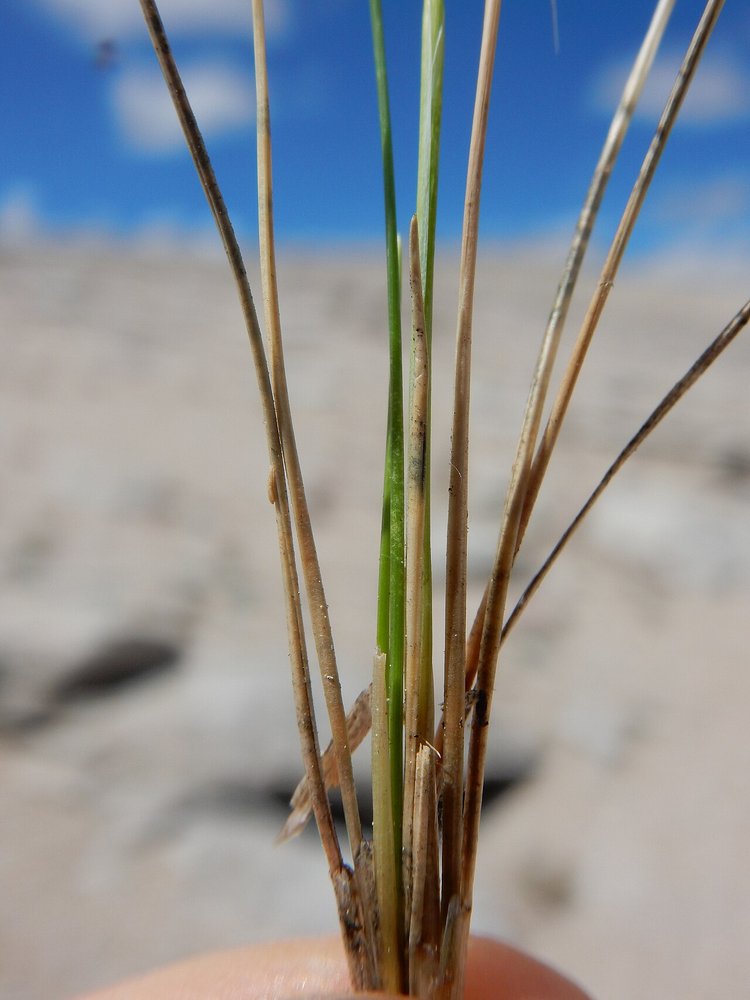
Idaho Fescue (Festuca idahoensis) is a native perennial bunchgrass that grows as a dense tuft of fine, blue-green, inrolled leaves, with narrow seed heads on smooth stems 25–100 cm (10–40 in) tall in June and July. It is one of the most common and widespread grasses of the western states, but it has few known sites in the Black Hills, and a 2023 Forest Service draft lists it as a species of conservation concern there.
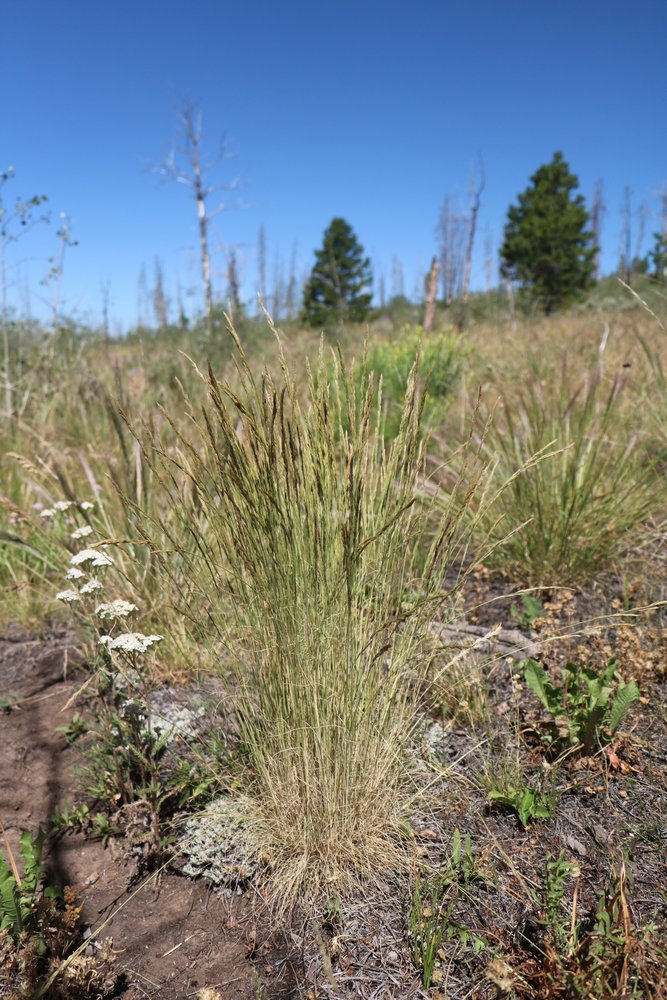
Free photos from other sources
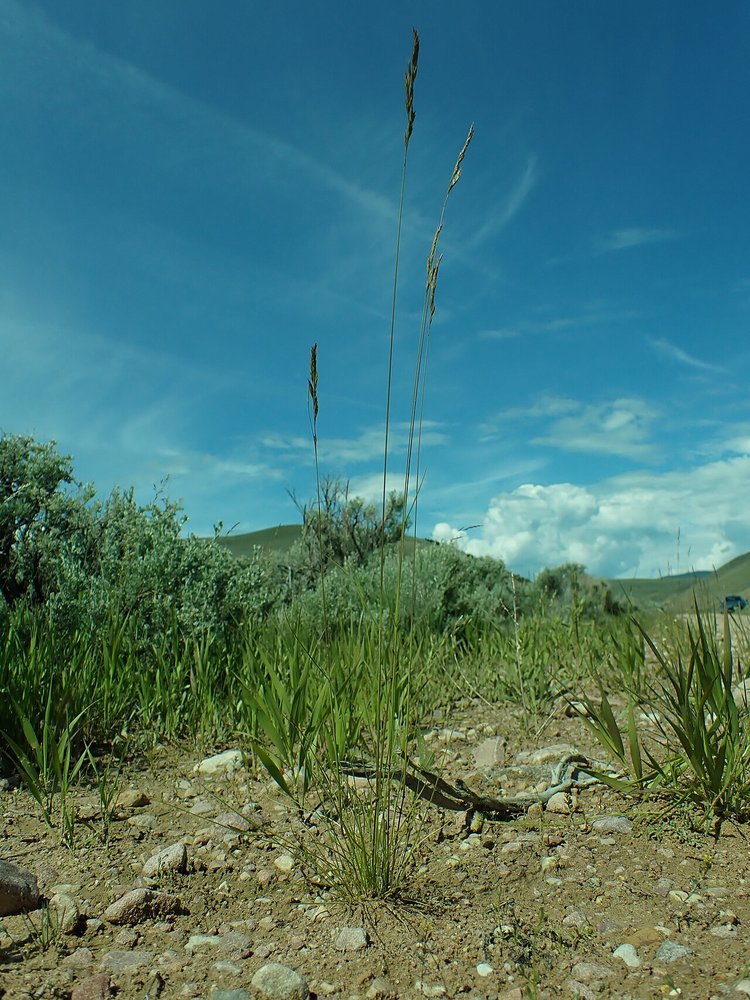
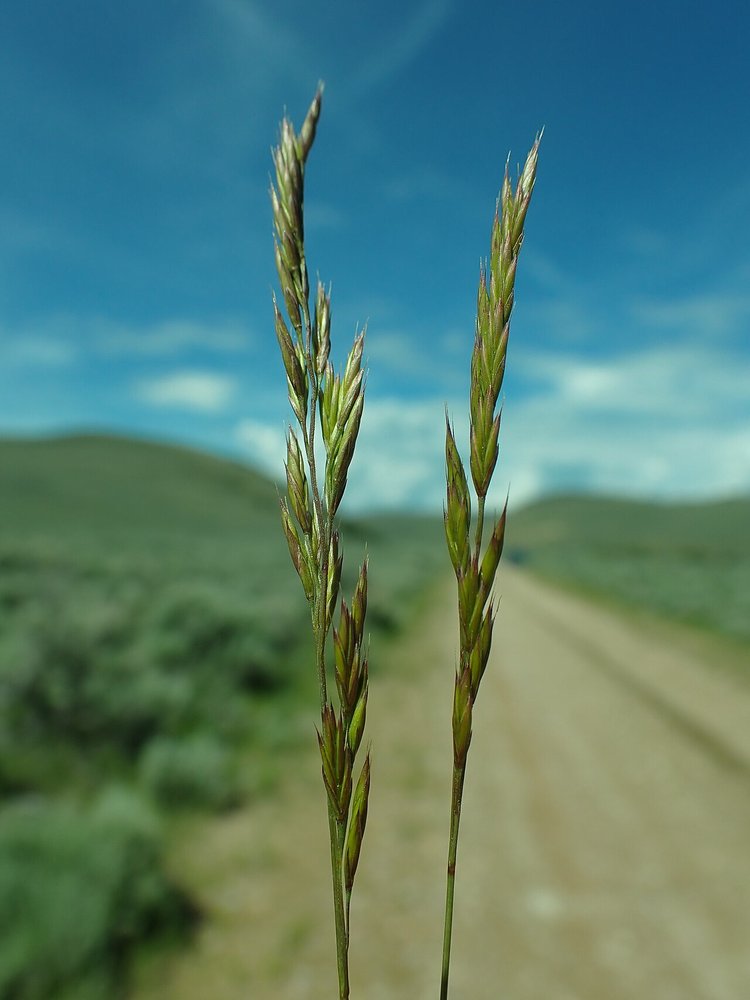
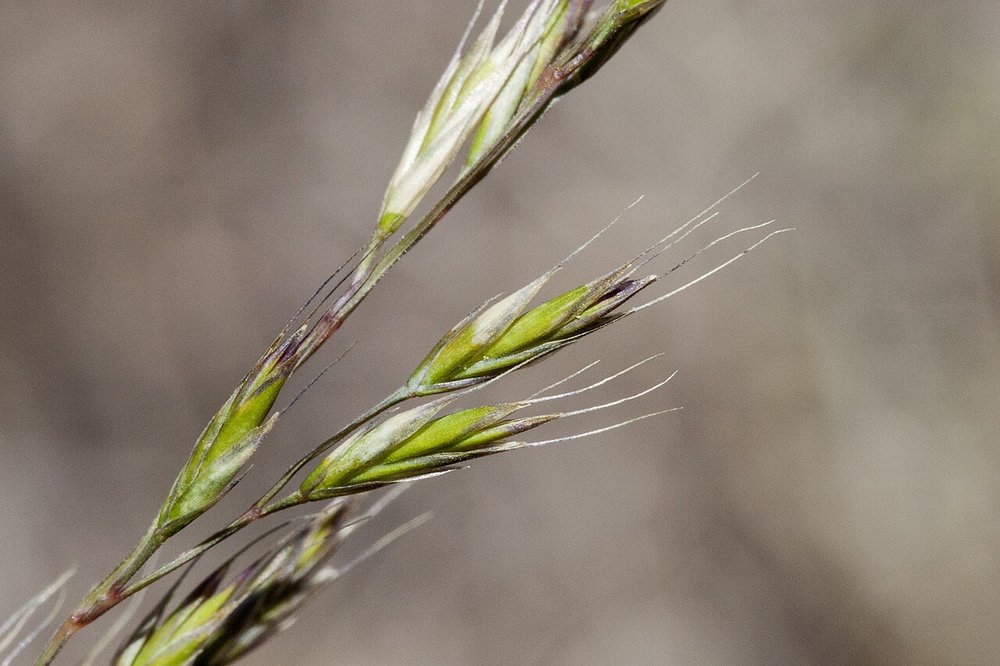
| Family | Poaceae · Grass |
|---|---|
| Status | Native perennial grass |
| Blooms | June into July; Black Hills herbarium specimens are in flower and seed from late June to mid-July |
| Height | 25–100 cm (10–40 in) |
| Where | Grassland on slopes, ridges and summits, and ponderosa pine forest with openings |
| Also called | Bluebunch Fescue, Blue Bunchgrass |
| Synonym | Festuca ovina var. ingrata, Festuca ingrata, Festuca ovina var. columbiana, Festuca ovina var. oregona, Festuca idahoensis var. oregona |
| Note | The Forest Service's 2023 draft assessment for the Black Hills forest plan lists Idaho Fescue as a species of conservation concern, with few known occurrences. This page gives no locations. |
Roots, seeds & germination
Root: A deep, dense, fibrous root system grows from a compact crown, with no rhizomes. Roots can reach 40 cm (16 in) down under a plant 10 cm (4 in) across, but most of the root mass is shallow: one study found 40 percent in the top 2 cm (¾ in) of soil and 60 percent in the top 10 cm (4 in). The roots carry mycorrhizal fungi, which may help the plant on poor soils. New shoots, called tillers, come from a small budding zone in the crown, so a plant whose crown survives a disturbance can quickly grow larger again. It survives light fires but is usually harmed by more severe ones.
Seed: The seeds are large and awned, and they fall close to the parent plant. Seed ripens by midsummer and sheds promptly, from late July in western Montana. Plants set seed in all but the driest years, but the share that will grow varies a lot from year to year, and one study found viability dropped by 13, 32 and 53 percent over one, two and three years. A pound of seed holds about 425,000 to 460,000 seeds.
Germination: Fresh seed needs an after-ripening period: at least 35 percent of a seed crop stays dormant for about six months after it drops, which favors sprouting after winter moisture has soaked the soil. Seed takes 8 to 10 days to sprout, and fewer seeds sprout as the soil dries. The USDA plant guide says the seed sprouts poorly next to forage plants and weeds, about 18 percent at 2 °C (36 °F) against 76 percent for cheatgrass, and that late fall sowing works best, 6–13 mm (¼–½ in) deep in fine to medium soils; a seeded stand takes two to three years to establish.
How do you identify Idaho Fescue?
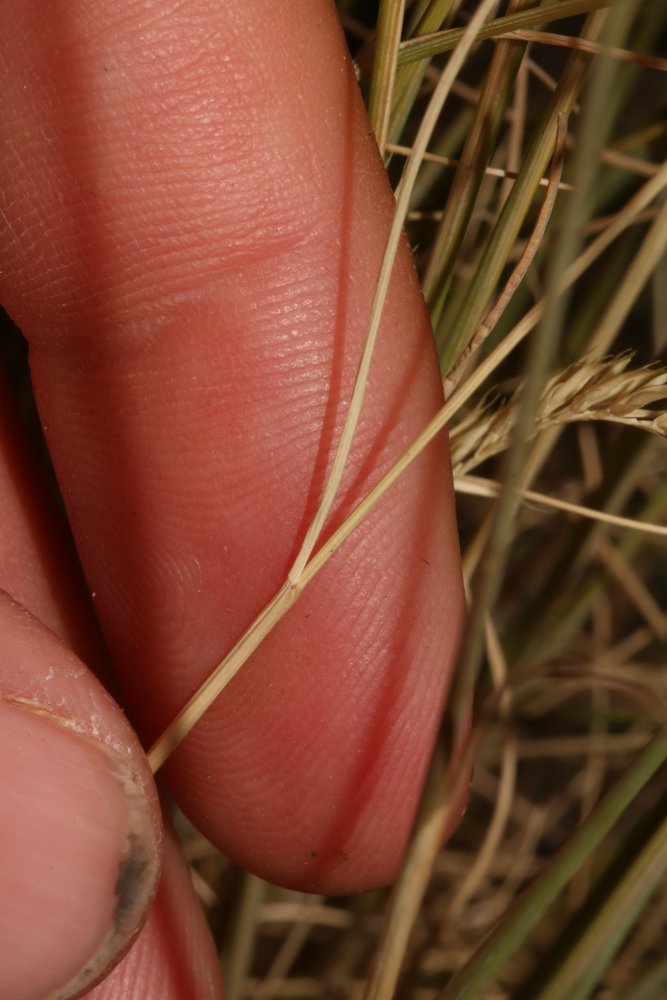
Start with the seed head: a narrow, loosely open cluster 7–15 cm (3–6 in) long with one or two branches at each joint, which spread a little as the seed ripens. Each spikelet (the small scaly unit along the branches) is 8–14 mm long and holds 4 to 7 flowers, and each flower scale ends in a straight awn (a bristle) 2–6 mm long, usually more than half as long as the scale itself. Then look at the tuft: the leaves are mostly basal, very fine, firm and rolled inward to about 1 mm wide, often with a blue-green or gray-blue cast, and the tuft is dense, 15–25 cm (6–10 in) high and usually more than half the height of the stems, which are smooth and carry few leaves. At the collar, where the blade meets the sheath, the ligule (a small membrane on the inner side) is well under 2 mm, cut straight across and fringed with hairs, and the ear-like lobes some grasses have there are small or missing. The plant has no rhizomes (underground runners), so it grows as a tight bunch.
When does it bloom?
June into July; Black Hills herbarium specimens are in flower and seed from late June to mid-July.
Where does it grow?
In the Black Hills, herbarium labels place it in grassland on slopes, ridge tops and summits, sometimes on rocky soil or among sandstone boulders, and in ponderosa pine forest opened up by logging or beetle kill, at about 1,370–2,010 m (4,500–6,600 ft). A 2023 Forest Service assessment also counts prairie, dry shrubland and pine woodland among its habitats there. Across the West it grows in grasslands, sagebrush steppe, meadows and open ponderosa and lodgepole pine stands, from about 300 to 4,000 m (1,000–13,000 ft), and prefers silt loam or sandy loam.
Other grasses in this guide
Compare all 11 grasses side by side
Big Bluestem
Andropogon gerardii
Blue Grama
Bouteloua gracilis
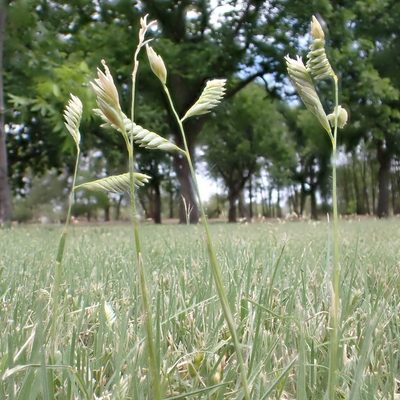
Buffalo Grass
Bouteloua dactyloides
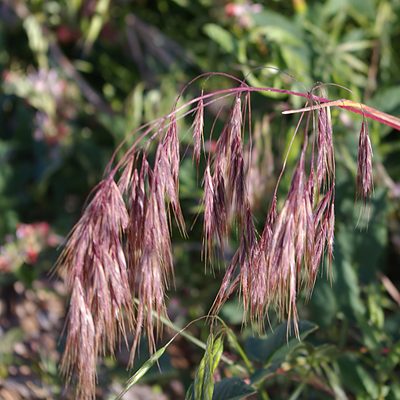
Cheatgrass
Bromus tectorum
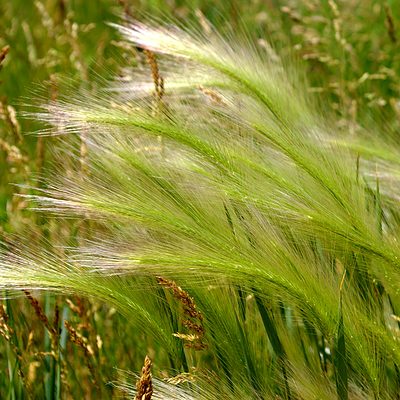
Foxtail Barley
Hordeum jubatum
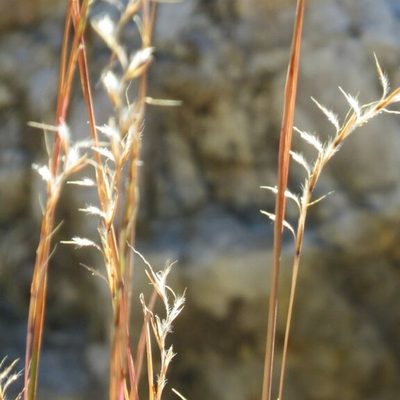
Little Bluestem
Schizachyrium scoparium
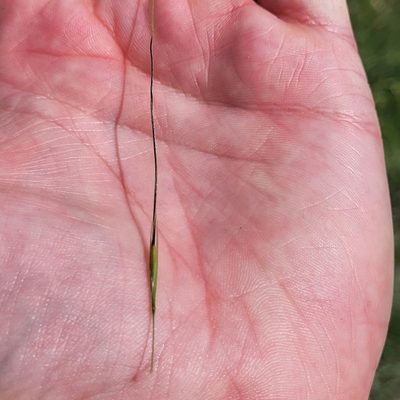
Needle-and-thread
Hesperostipa comata
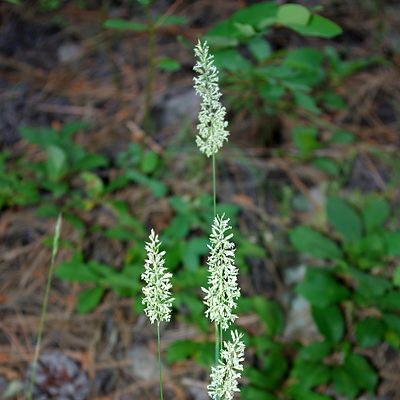
Prairie Junegrass
Koeleria macrantha
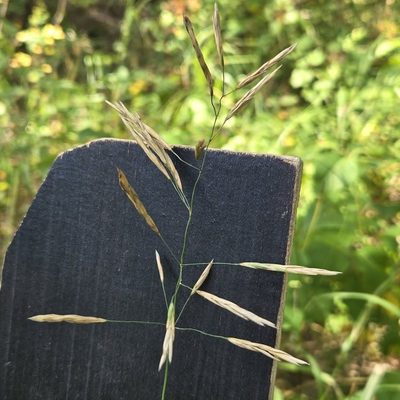
Smooth Brome
Bromus inermis
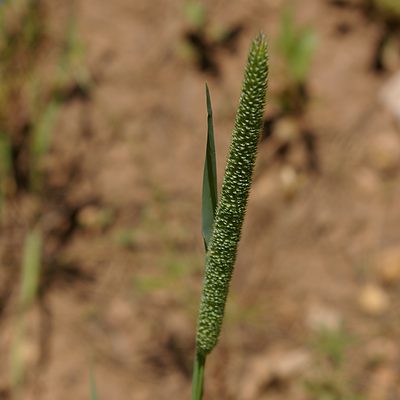
Timothy
Phleum pratense
Sources: USDA Forest Service Fire Effects Information System: Festuca idahoensis; USDA NRCS Plant Guide: Idaho fescue, Festuca idahoensis; USDA PLANTS profile, FEID (API); Burke Herbarium Image Collection: Festuca idahoensis, with the Flora of North America description; Montana Field Guide: Idaho Fescue; USDA Forest Service Rocky Mountain Region, Revised Forest Assessment: At-Risk Species, draft, October 2023; South Dakota Game, Fish and Parks: Rare plants table (checked; Idaho fescue not listed); Culturally Important Plants of the Lakota (Black Elk and Flying By, 1998), filed with the South Dakota PUC (checked; no fescue listed).