Blue Grama Bouteloua gracilis
Also called pȟeží okhížata (Lakota)
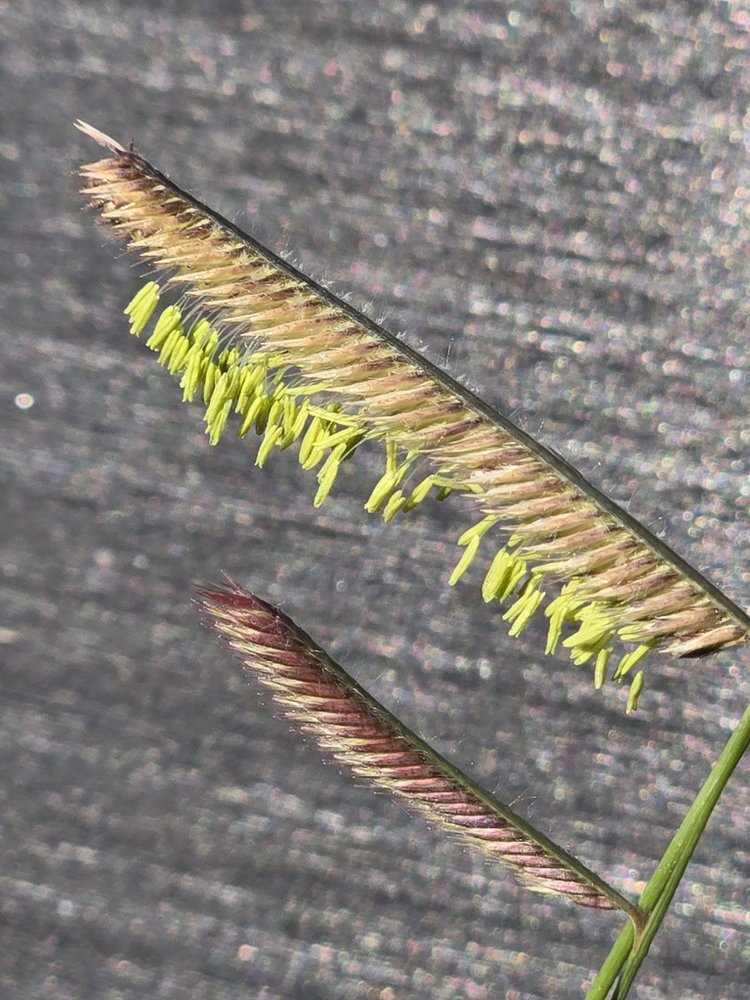
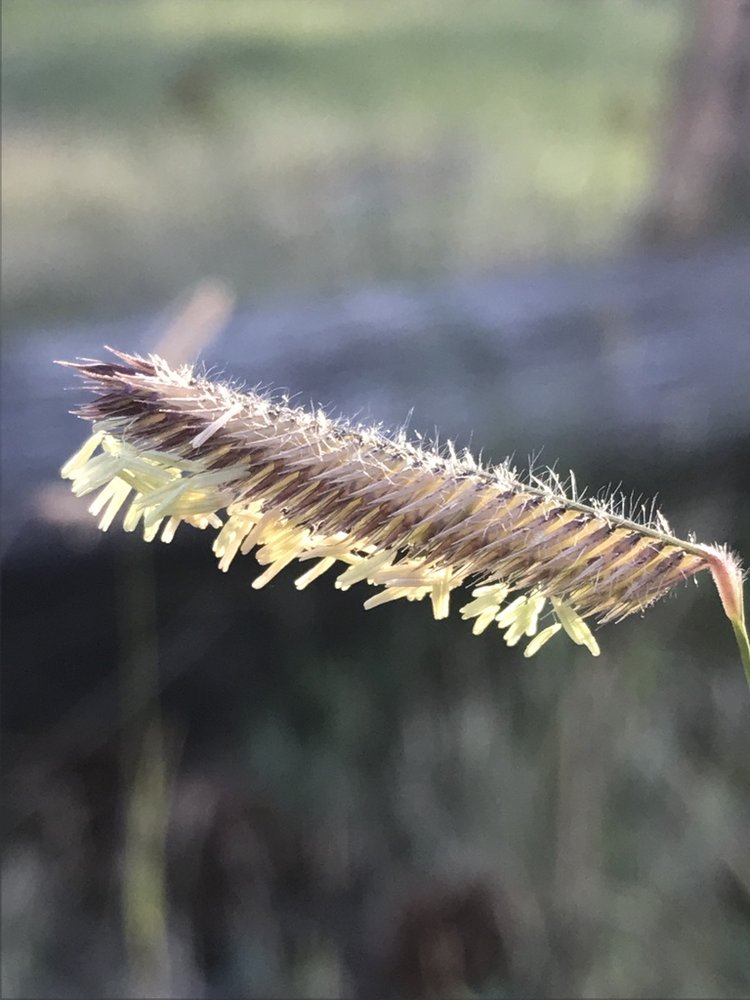
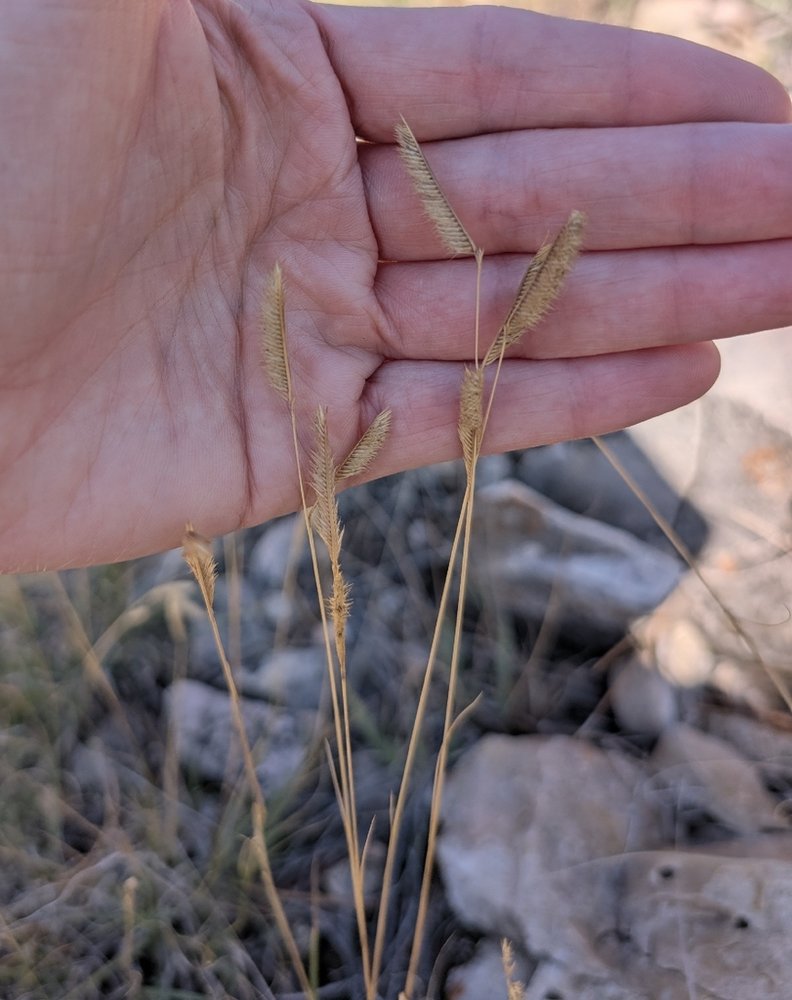
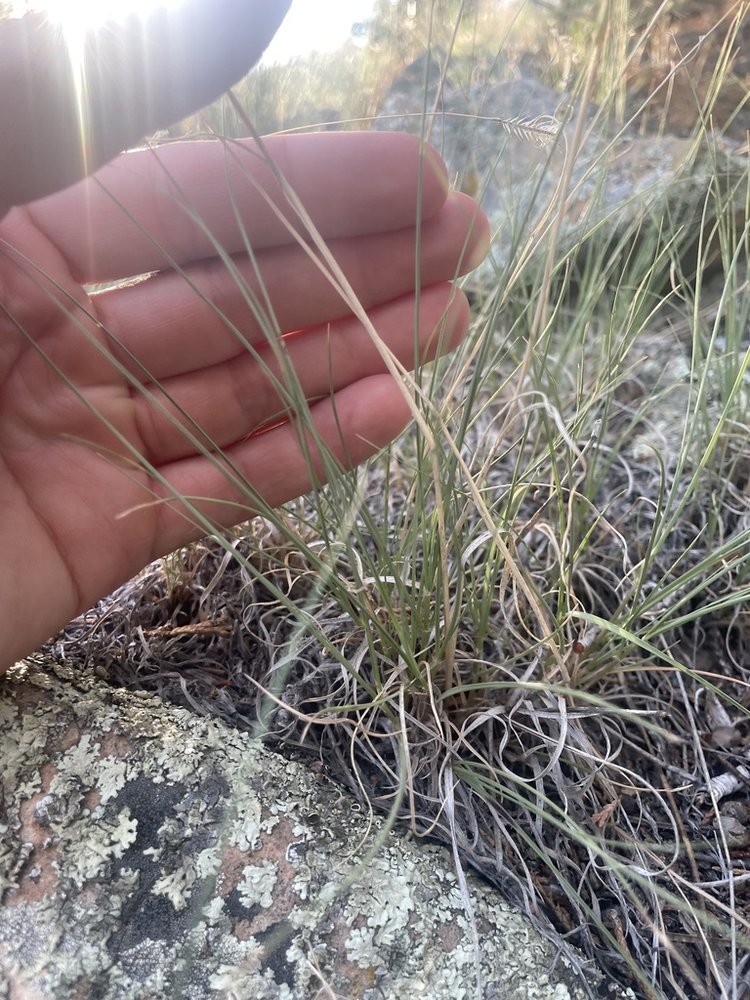
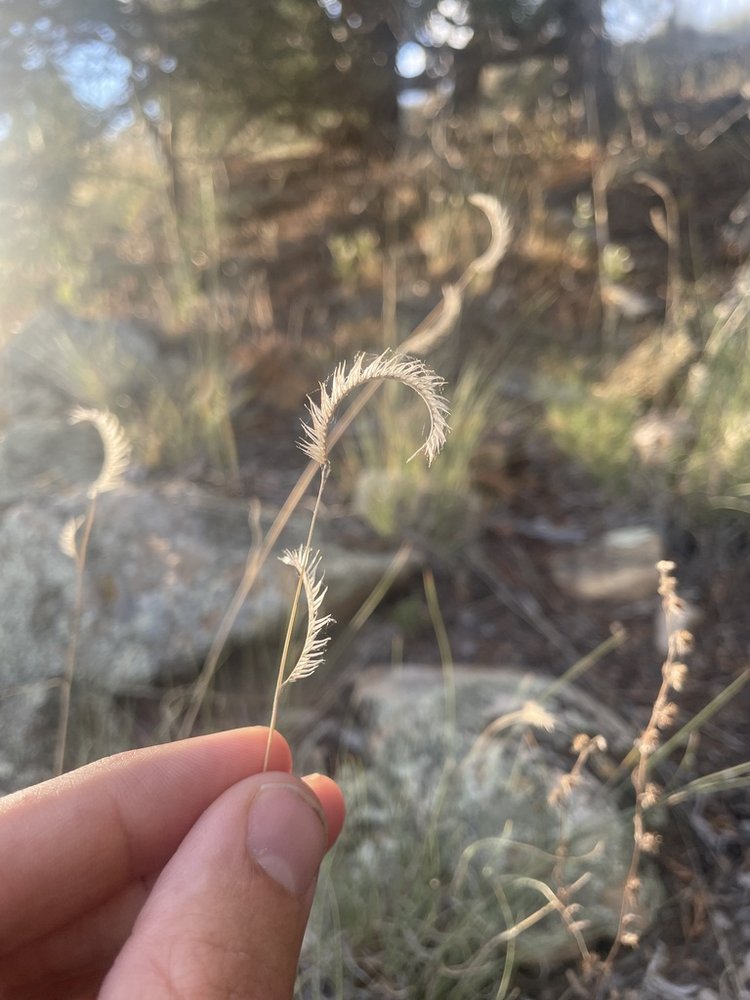
Blue Grama (Bouteloua gracilis) is a short native prairie grass, 15–50 cm (6–20 in) tall, whose seed heads look like eyebrows or small combs: one to three one-sided spikes that curl as they dry. It flowers June into August in South Dakota and is a common companion of Buffalo Grass. In the Black Hills it grows on dry prairie and in grassy openings in the pine, and the National Park Service lists it at Wind Cave, Jewel Cave, Mount Rushmore and Devils Tower.
Free photos from other sources
| Family | Poaceae · Grass |
|---|---|
| Status | Native perennial grass |
| Blooms | June into August; the dry seed heads curl into eyebrows and stand into winter |
| Height | 15–50 cm (6–20 in) |
| Where | Dry prairie and foothill grassland, open ground under ponderosa pine, rocky and sandy slopes |
| Also called | pȟeží okhížata (Lakota) |
| Synonym | Chondrosum gracile |
| Traditional use | Black Elk and Flying By (1998) record a Lakota children's game with this grass: most stems carry two seed spikes, so children competed to find a stem with three, much like hunting for a four-leaf clover. They call it excellent forage for wildlife. |
Roots, seeds & germination
Root: A dense, fibrous, shallow-branching root system: most of the branching is in the top 46 cm (18 in) of soil, with roots reaching 0.9–1.8 m (3–6 ft) down and spreading 30–46 cm (12–18 in) out from the edge of the plant. The USDA plant guide says seedlings often die if they fail to grow their permanent roots within 6 to 10 weeks of coming up, which needs a soil surface that stays moist for 2 to 4 days.
Seed: The florets drop from the spike at maturity, leaving the empty glumes behind, and the seed is small and brown, 2.5–3 mm long, with 700,000–800,000 seeds per pound (about 1.5–1.8 million per kilogram). Seeds ripen in late summer and fall; the wind carries them only a few meters, and animals carry them farther in fur, feathers and droppings. Seed crops are usually light but can be heavy in a good year.
Germination: SDSU says the seed needs no pretreatment and can be sown in fall or spring. The USDA plant guide sows it 6–13 mm (1/4–1/2 in) deep, and the Fire Effects Information System calls that depth critical: in one study emergence fell to zero at 6 cm (2.5 in). The Fire Effects Information System adds that stands establish reliably only when the soil averages above 15 °C (59 °F) and the surface stays moist for two spells of 2 to 4 days.
How do you identify Blue Grama?
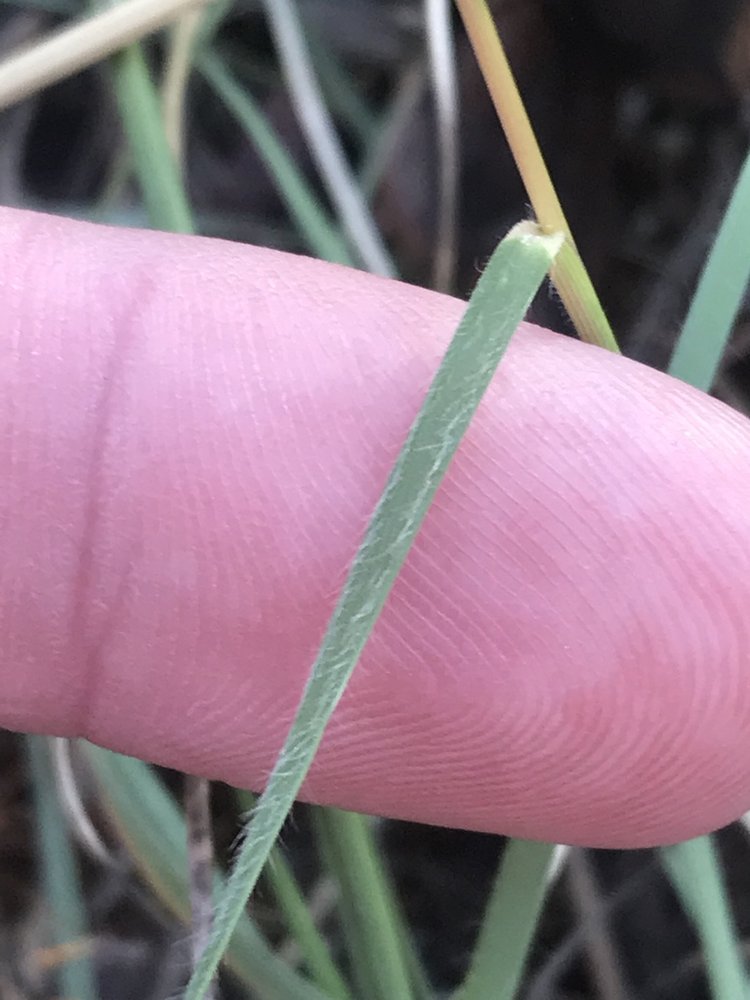
The seed head is the mark: usually 2 (sometimes 1 to 3) short spikes 1.5–5 cm (up to 2 in) long set at a sharp angle near the top of a thin stalk, each packed with 40 to 90 spikelets in two rows along one side, so it looks like a comb or an eyebrow. The spikes are bluish purple when young, then straw-colored, and they curl back as they dry and stay on the plant into winter. The spike does not end in a bare point: the stalk stops at the last spikelet. The leaves are mostly at the base, narrow (about 2 mm wide), 2.5–15 cm (1–6 in) long, gray-green, and they curl as they cure; the blades are nearly hairless, with few or no hairs along the edges, the ligule (the flap where blade meets stem) is a fringe of tiny hairs, and the plant grows as a dense tuft that spreads into an open sod. The lookalike on this site is Buffalo Grass, which often grows with it: SDSU Extension and Johnson and Larson say Buffalo Grass has hairy leaf blades and edges and spreads by runners along the ground (stolons), while Blue Grama's blades are nearly hairless and it very rarely makes runners; the male Buffalo Grass flower looks like a miniature Blue Grama seed head. Hairy Grama, on dry sandy ground, has stiff hairs on the leaf edges and its spike stalk sticks out past the last spikelet like a needle.
When does it bloom?
June into August; the dry seed heads curl into eyebrows and stand into winter.
Where does it grow?
Dry prairie, foothill grassland and open ground under ponderosa pine. SDSU's native plant page gives dry prairies throughout South Dakota, and the Montana Field Guide places it in Great Plains ponderosa pine forest and dry grassland. The 1986 Jewel Cave vegetation survey mapped a western wheatgrass and blue grama grassland on alluvial soil in a canyon bottom and in openings in the pine and snowberry forest, and the National Park Service lists it at Wind Cave National Park, Jewel Cave National Monument, Mount Rushmore National Memorial and Devils Tower National Monument. Herbarium specimens from 1892 to 2018 come from Lawrence, Pennington, Fall River, Custer and Meade counties in South Dakota and Crook and Weston counties in Wyoming, including Wind Cave, Custer State Park, Devils Tower and the Bear Lodge Mountains, with labels from dry prairie, rocky and sandy slopes, sandstone ridges and open ponderosa pine.
Other grasses in this guide
Compare all 11 grasses side by side
Big Bluestem
Andropogon gerardii
Buffalo Grass
Bouteloua dactyloides
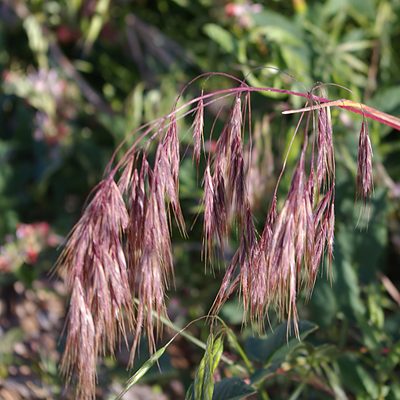
Cheatgrass
Bromus tectorum
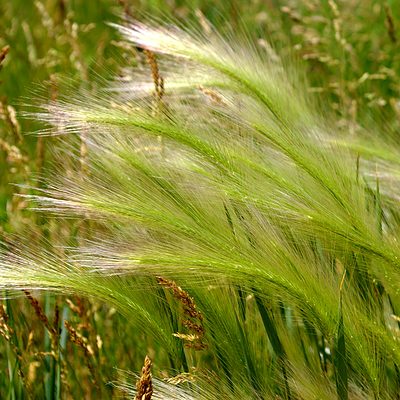
Foxtail Barley
Hordeum jubatum
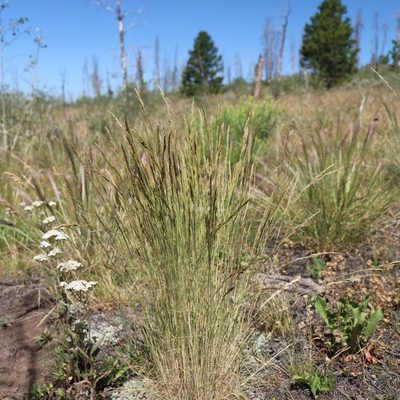
Idaho Fescue
Festuca idahoensis
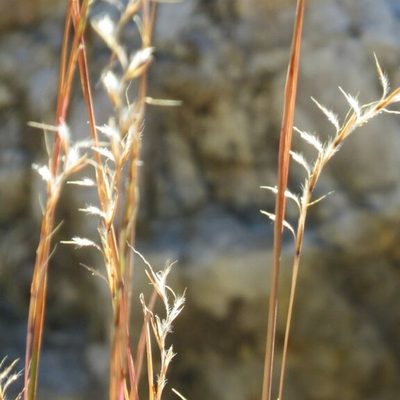
Little Bluestem
Schizachyrium scoparium
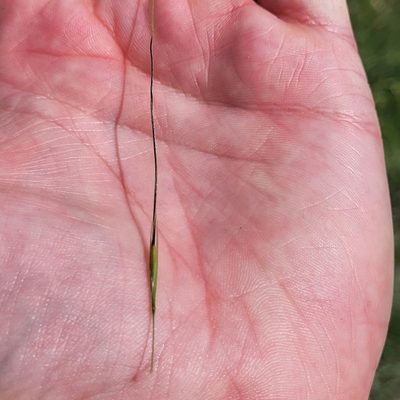
Needle-and-thread
Hesperostipa comata
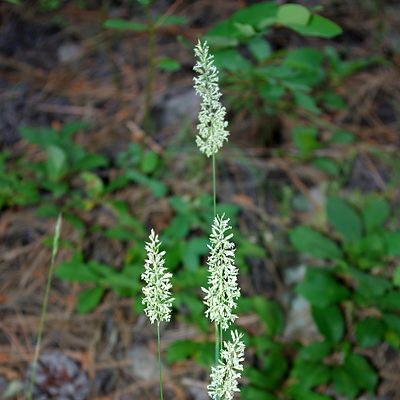
Prairie Junegrass
Koeleria macrantha
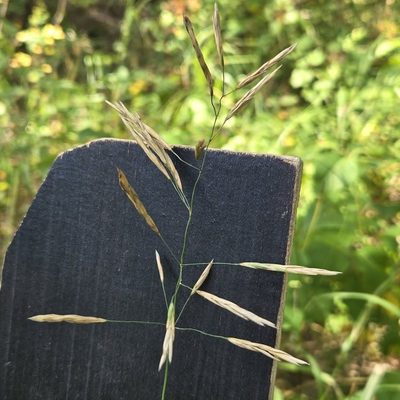
Smooth Brome
Bromus inermis
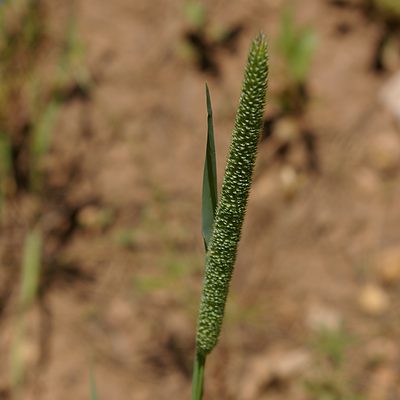
Timothy
Phleum pratense
Sources: USDA PLANTS Database: Bouteloua gracilis (BOGR2), plant profile service; USDA NRCS Plant Guide: Blue grama, Bouteloua gracilis (Shadow, Manhattan Plant Materials Center); USDA Forest Service Fire Effects Information System: Bouteloua gracilis (Anderson 2003); SDSU Open PRAIRIE: Poaceae: Bouteloua gracilis (R. Neil Reese); SDSU Extension P-00232: Warm-Season Grasses of South Dakota (Ehlert and Bachler 2022); Johnson and Larson 1999, Grassland Plants of South Dakota and the Northern Great Plains (SDSU bulletin 566), Open PRAIRIE; Kansas Wildflowers and Grasses: Bouteloua gracilis (Blue grama); Minnesota Wildflowers: Bouteloua gracilis (Blue Grama); Montana Field Guide: Blue Grama, Bouteloua gracilis; Marriott and Hartman 1986, A Survey of the Vegetation of Jewel Cave National Monument; NPSpecies checklist, Wind Cave National Park vascular plants; NPSpecies checklist, Jewel Cave National Monument vascular plants; NPSpecies checklist, Mount Rushmore National Memorial vascular plants; NPSpecies checklist, Devils Tower National Monument vascular plants; GBIF occurrence search: Bouteloua gracilis, South Dakota and Wyoming herbarium specimens; Black Elk and Flying By 1998, Culturally Important Plants of the Lakota (entry 53), filed with the South Dakota PUC.