False Flax Camelina microcarpa
Also called Littlepod False Flax, Small-seeded False Flax, Smallseed Falseflax
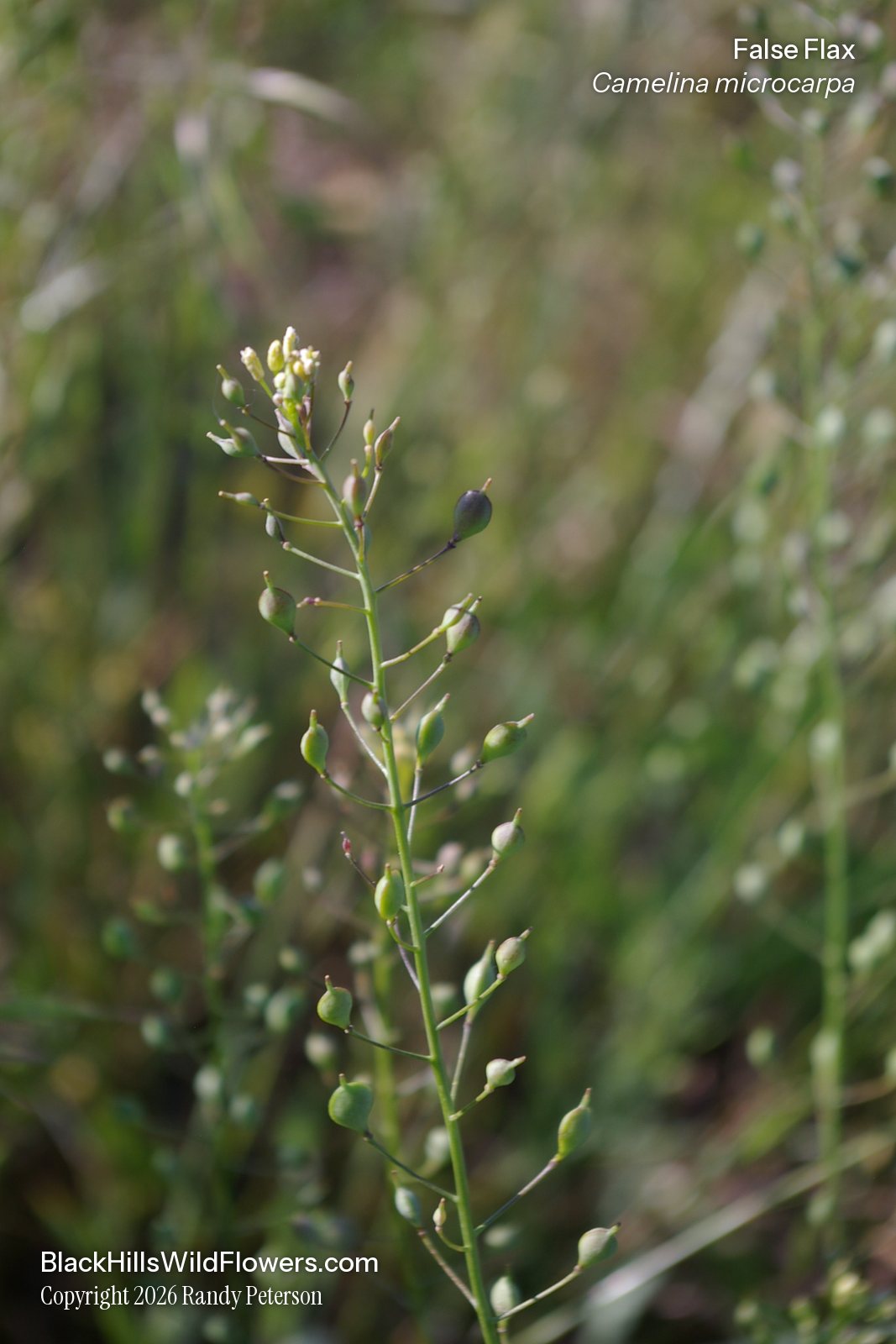
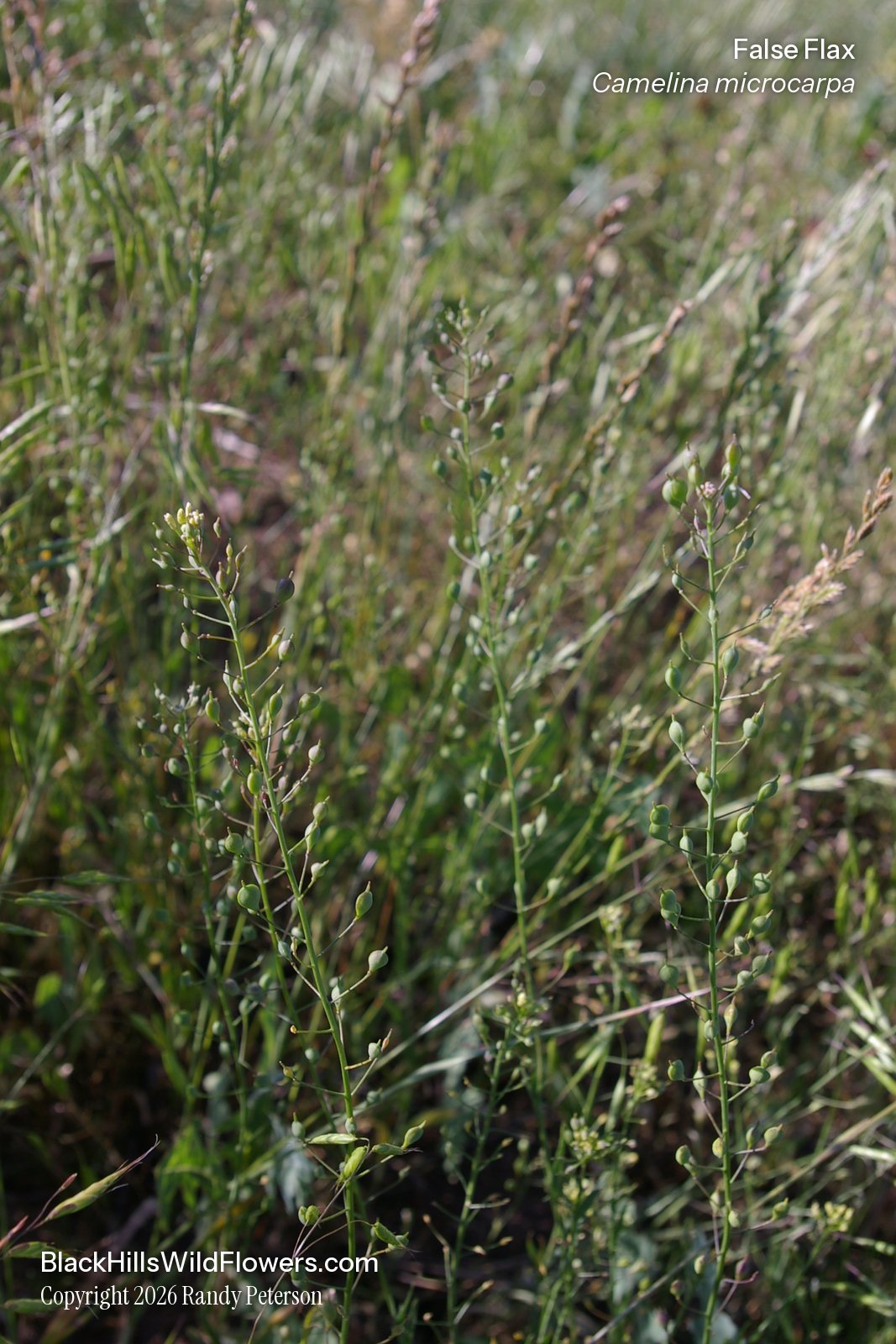
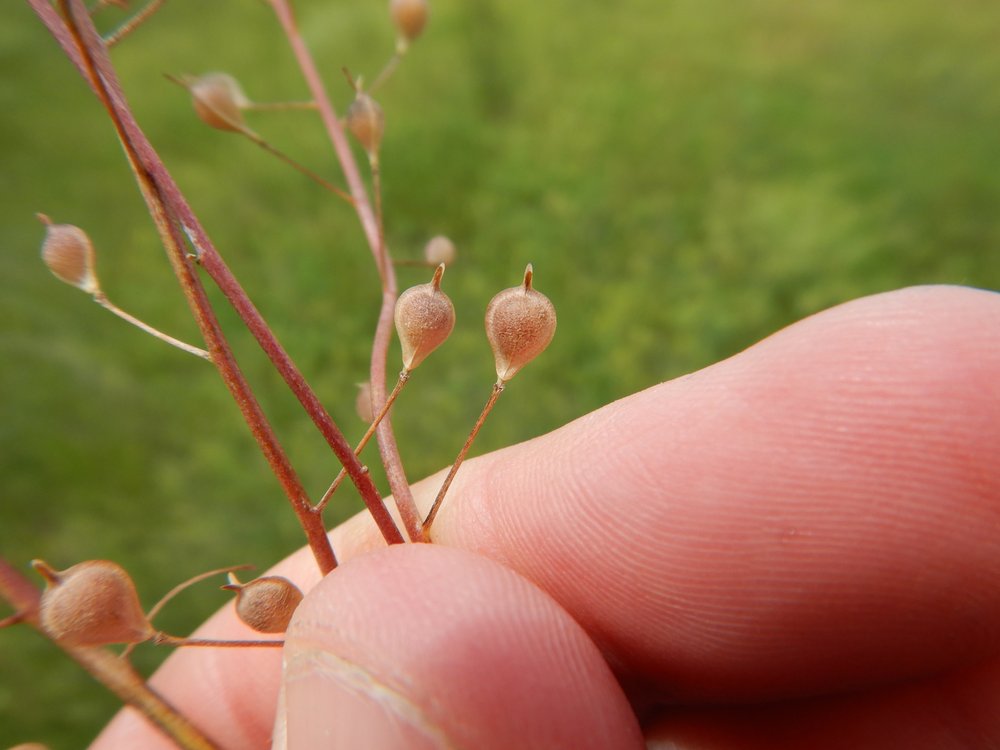
False Flax (Camelina microcarpa) is a slender annual weed from Europe and Asia with small pale yellow flowers and, below them, little pear-shaped pods on long, spreading stalks. It blooms from May into July on roadsides, fields, prairie and open pine woods; Black Hills herbarium specimens go back to 1912, and the National Park Service lists it at Wind Cave, Jewel Cave, Mount Rushmore and Devils Tower. Photographed in the Black Hills.
Free photos from other sources
| Family | Brassicaceae · Mustard |
|---|---|
| Status | Introduced annual |
| Blooms | May into July |
| Height | 20–80 cm (8–31 in) |
| Where | Roadsides, fields, dry prairie hillsides and clearings in open pine woods |
| Also called | Littlepod False Flax, Small-seeded False Flax, Smallseed Falseflax |
| Synonym | Camelina sativa subsp. microcarpa |
Roots, seeds & germination
Seed: Each pod holds about 10 reddish to brown seeds, 0.8–1.4 mm long.
How do you identify False Flax?
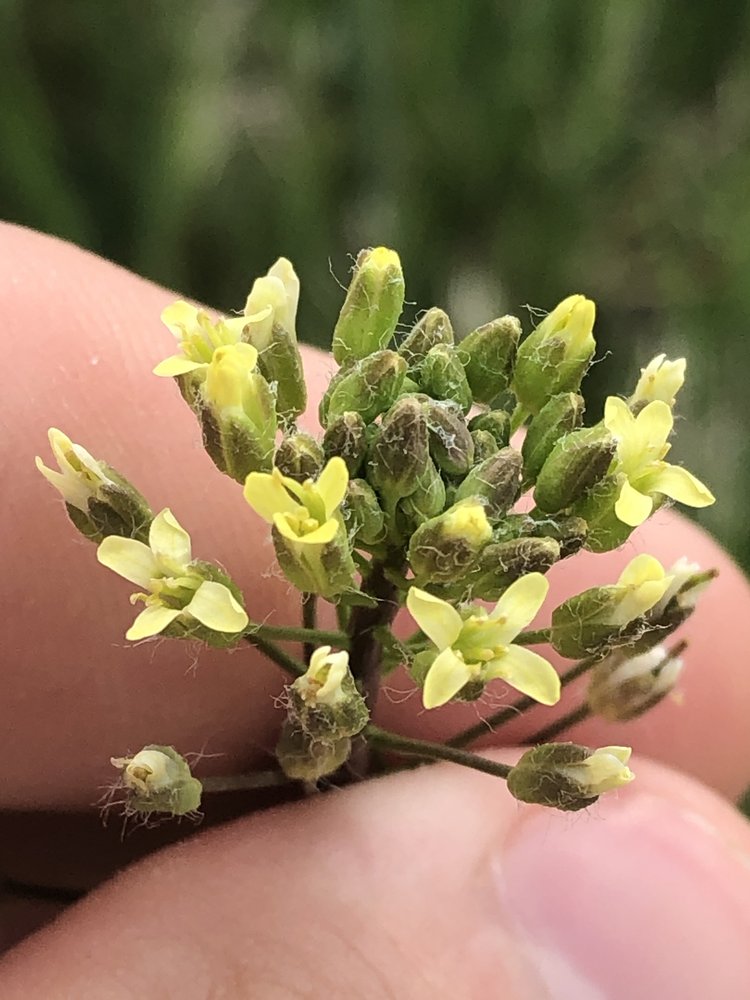
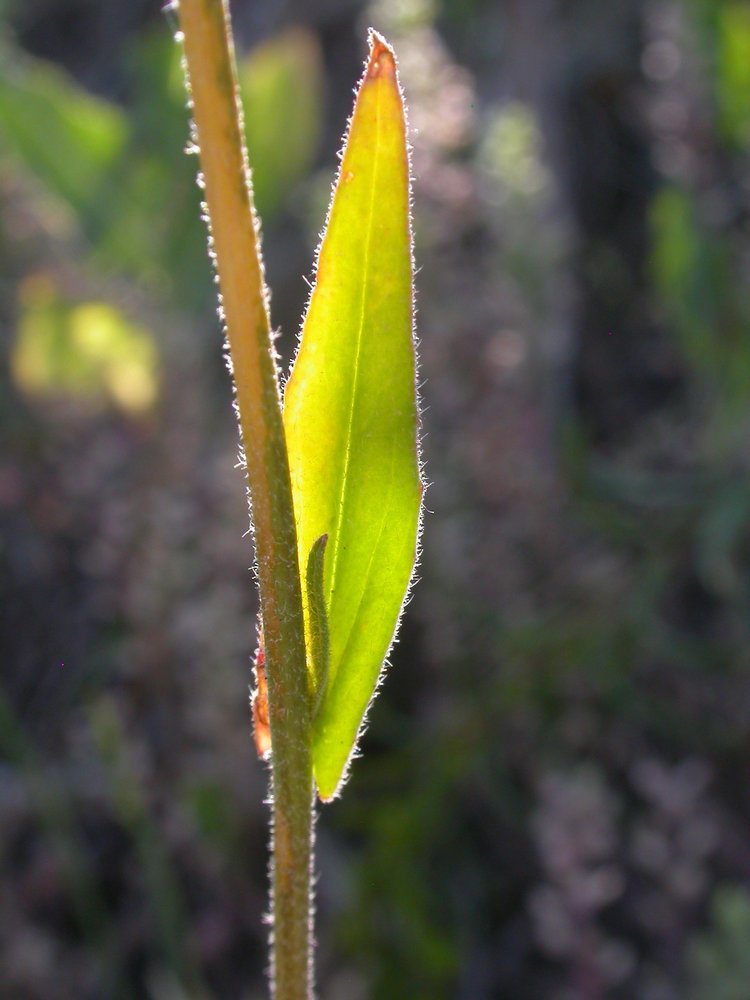
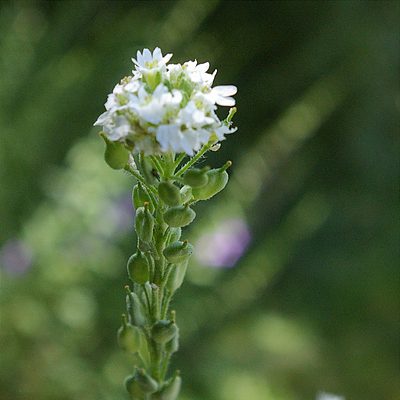
Look at the pods: pear-shaped, 3.5–5 mm (about 1/6 in) long, with a narrow rim and the old style left as a pointed beak, each on a slender stalk 4–14 mm (1/6–1/2 in) long that angles up and out from the stem. The flowers are about 4 mm (1/6 in) across, with four pale yellow petals, at the tips of loose clusters that keep lengthening as pods form below. Stem leaves are narrow and mostly toothless, with two small lobes at the base that may clasp the stem, and the lower stem is rough with long, simple hairs. Large-seeded false flax (Camelina sativa) has bigger pods, 7–13 mm (1/4–1/2 in), with a strong midvein, and a lower stem that is hairless or has only tiny branched hairs. Montana State University Extension notes that Hoary Alyssum can be mistaken for it, but False Flax has pale yellow flowers.
When does it bloom?
May into July.
Where does it grow?
Roadsides, fields, dry prairie hillsides, campgrounds, creek bottoms and clearings in ponderosa pine forest. Black Hills herbarium labels from 1912 on record it on an open range hillside in Lawrence County, on a gravelly hillside under pines in Fall River County, at campgrounds and picnic grounds, along creeks, and on a dry prairie slope in Meade County. The National Park Service lists it at Wind Cave, Jewel Cave, Mount Rushmore and Devils Tower, and the 1986 plant survey of Jewel Cave lists it as introduced.
Other mustards in this guide
Compare all 11 mustards side by side
Dame's Rocket
Hesperis matronalis
Desert Princeplume
Stanleya pinnata
Hoary Alyssum
Berteroa incana
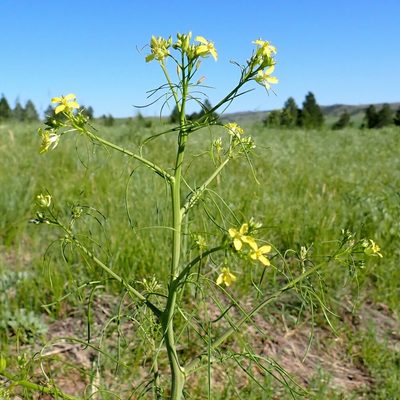
Mustard Tumbleweed
Sisymbrium altissimum
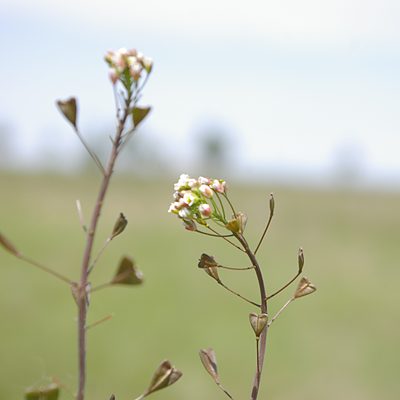
Shepherd's Purse
Capsella bursa-pastoris
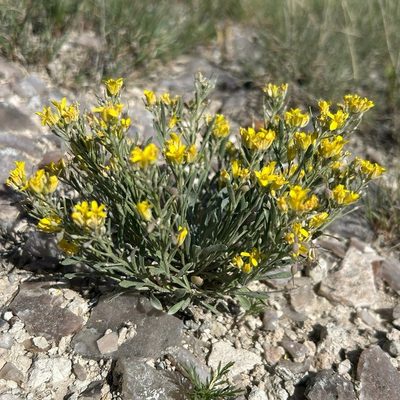
Sidesaddle Bladderpod
Lesquerella arenosa var. argillosa
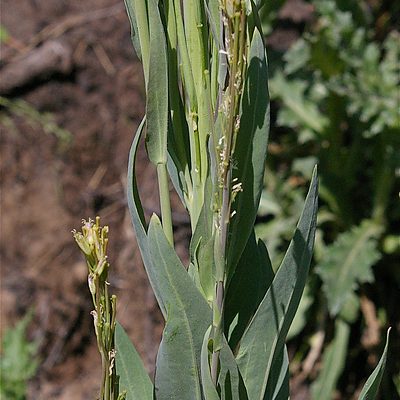
Tower Rockcress
Turritis glabra
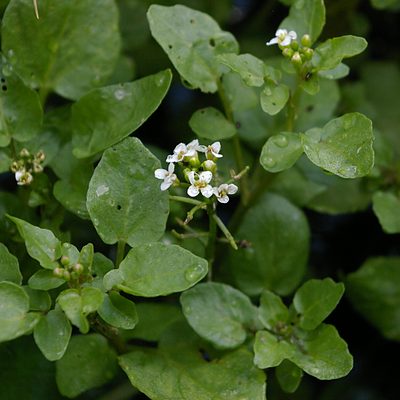
Watercress
Nasturtium officinale
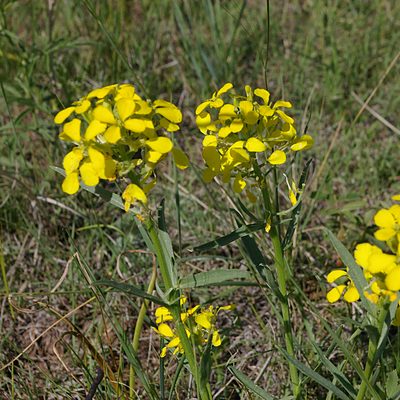
Western Wallflower
Erysimum asperum
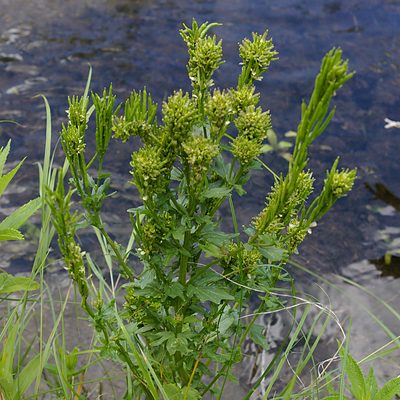
Wintercress
Barbarea orthoceras
Sources: Flora of North America Vol. 7: Camelina microcarpa (Al-Shehbaz and Beilstein), eFloras; Flora of North America Vol. 7: genus Camelina, with key to species, eFloras; USDA PLANTS Database: Camelina microcarpa (CAMI2); Minnesota Wildflowers: Small-seeded False Flax (Camelina microcarpa); Montana State University Extension EB0194: Biology, Ecology and Management of Hoary Alyssum (compares falseflax); NPSpecies checklist, Wind Cave National Park vascular plants; NPSpecies checklist, Jewel Cave National Monument vascular plants; NPSpecies checklist, Mount Rushmore National Memorial vascular plants; NPSpecies checklist, Devils Tower National Monument vascular plants; Marriott and Hartman 1986, A Survey of the Vegetation of Jewel Cave National Monument; GBIF occurrence search: Camelina microcarpa, South Dakota and Wyoming herbarium specimens; GBIF specimen 2984109385: Bennett 1929, Lawrence County, "open range hillside"; GBIF specimen 1999419966: Wiegand 1935, Fall River County, "gravelly hillside under pines"; GBIF specimen 2620319242: Van Bruggen 1973, Meade County, "dry prairie slope".