False Dragonhead Physostegia parviflora
Also called Western False Dragonhead
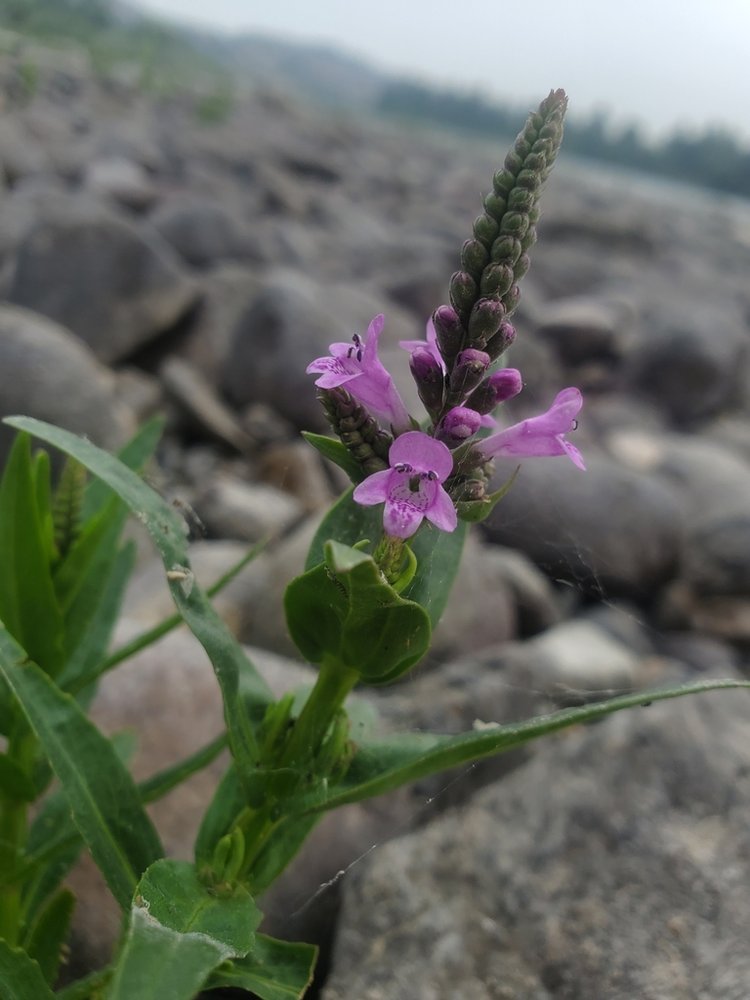
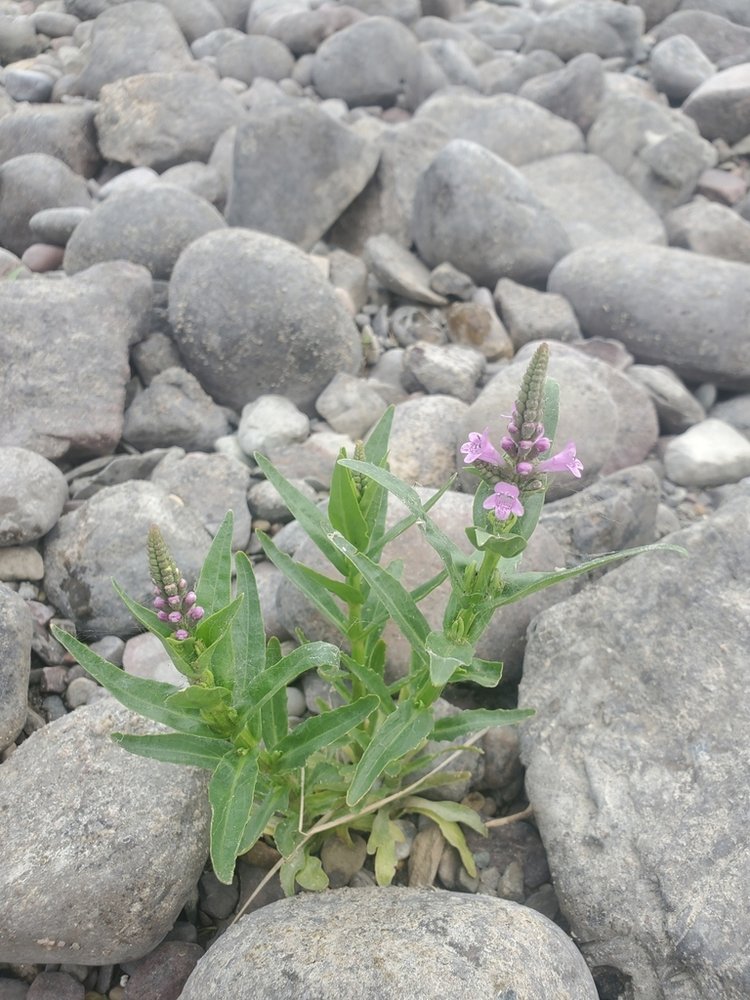
False Dragonhead (Physostegia parviflora), also called Western False Dragonhead, is a perennial of the mint family with a tight spike of pink flowers from July into September; the Lady Bird Johnson Wildflower Center lists the color as white or pink, and the flowers in the photos here are purple-pink. Herbarium sheets from Lawrence County (1899), the Black Hills (1938) and Pennington County (1973) record it in the Black Hills, but they are few and mostly old.
Free photos from other sources
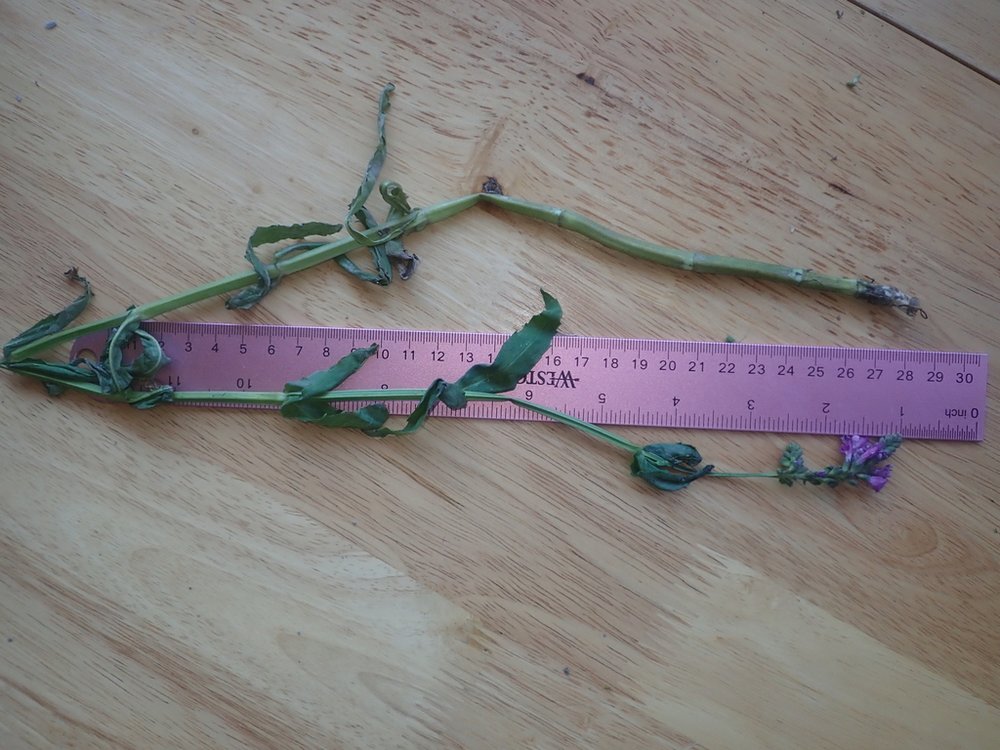
| Family | Lamiaceae · Mint |
|---|---|
| Status | Native perennial |
| Blooms | July into September |
| Height | up to 100 cm (40 in) |
| Where | Wet low places such as river and lake shores |
| Also called | Western False Dragonhead |
| Synonym | Dracocephalum nuttallii, Physostegia nuttallii, Physostegia virginiana var. parviflora |
| Traditional use | Moerman's database records one use: the Meskwaki took an infusion of the leaves for a bad cold (Smith 1928). |
| Note | Black Hills records are few and old, and the one recent sheet (1990) is named for a different species, Obedient Plant. The page follows the three sheets and the flora that name it Physostegia parviflora. |
Roots, seeds & germination
Root: The stems rise singly from a rhizome or a rhizome-like base (Gleason and Cronquist).
Seed: The fruit is a set of nutlets (Lady Bird Johnson Wildflower Center).
How do you identify False Dragonhead?
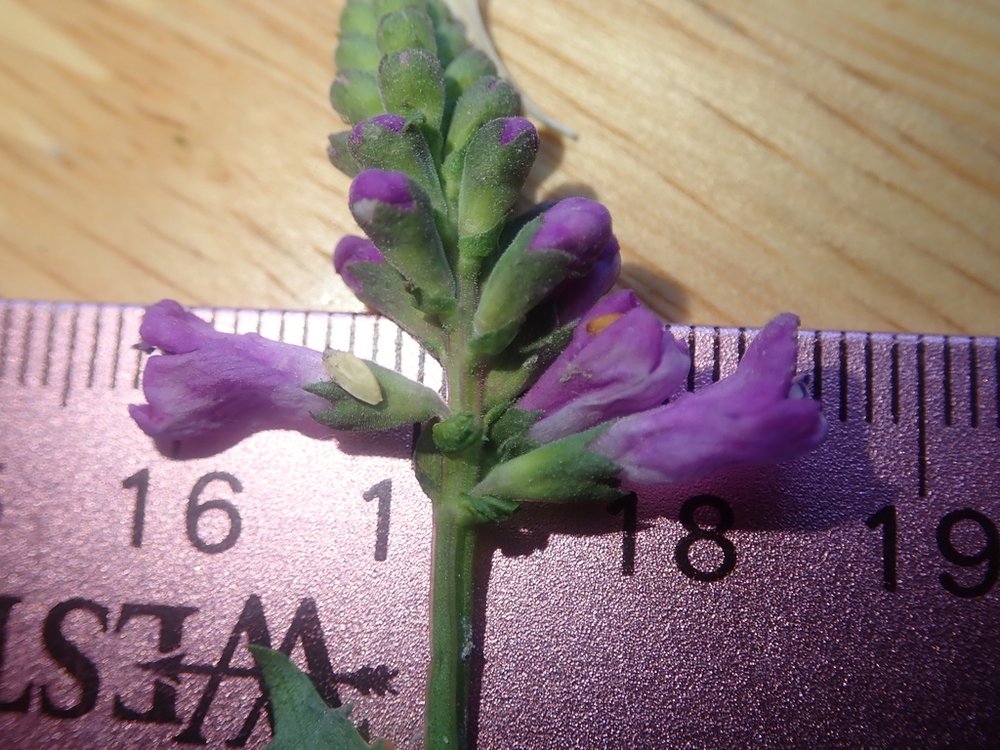
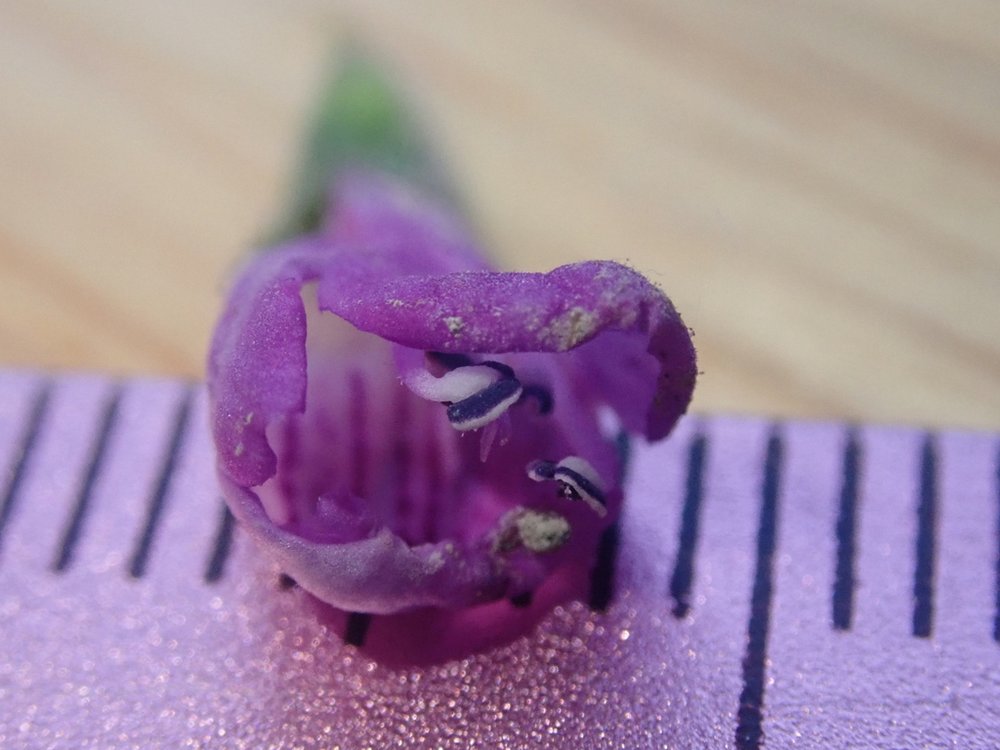
Look for an upright plant up to about 1 m (3 ft) tall with unstalked leaves that are narrow to elliptic, toothed or smooth-edged, and broadest near the base, where they somewhat clasp the stem; the leaves just under the flowers are more lance-shaped. The flowers sit in a tight spike up to 10 cm (4 in) long, each flower 12–16 mm (½ in) long, usually with sticky glandular hairs, on a finely glandular-hairy calyx. Gleason and Cronquist give the flowers of the similar Obedient Plant (Physostegia virginiana) as longer, (14–)16–35 mm, without glands, on leaves that generally do not clasp. A 1990 herbarium sheet from Lawrence County is named Obedient Plant, so which of the two grows in the Hills is not settled.
When does it bloom?
July into September.
Where does it grow?
Gleason and Cronquist give wet low places, as along the shores of rivers and lakes, and a range from western Minnesota and Iowa to Manitoba, British Columbia, Oregon and northern Utah. In the Black Hills it is known from three herbarium sheets named Physostegia parviflora: Lawrence County in 1899, the Black Hills in 1938 and Pennington County in 1973. A fourth Lawrence County sheet, from moist soil in dense deciduous forest in 1990, is named Physostegia virginiana. iNaturalist has no research-grade record of either species in the Hills, and none of the four national park lists carries either one.
Other mints in this guide
Sources: Gleason and Cronquist 1991, Manual of Vascular Plants of Northeastern United States and Adjacent Canada: Physostegia parviflora, via SEINet; Gleason and Cronquist 1991: Physostegia virginiana, via SEINet; Lady Bird Johnson Wildflower Center: Physostegia parviflora (Western False Dragonhead); USDA PLANTS Database: Physostegia parviflora (PHPA10), western false dragonhead; ITIS: Physostegia parviflora, TSN 32387 (synonyms and common names); GBIF specimen 5895859318: Bates 1899, Lawrence County, Physostegia parviflora (NEB); GBIF specimen 3125252805: Hapeman 1938, Black Hills, Physostegia parviflora (SD herbarium); GBIF specimen 4101787525: Van Bruggen 1973, Pennington County, Physostegia parviflora (BRIT); GBIF specimen 3038911303: Gillaspie 1990, Lawrence County, dense deciduous forest in moist soil, named Physostegia virginiana (BHSC); GBIF occurrence search: Physostegia parviflora (taxon key 2926574) and P. virginiana (2926572), South Dakota and Wyoming; Minnesota Wildflowers: Physostegia virginiana (Obedient Plant); Native American Ethnobotany Database (BRIT): Physostegia parviflora; iNaturalist: research-grade Physostegia parviflora observations in the Black Hills (none).