Anise Hyssop
Agastache foeniculum
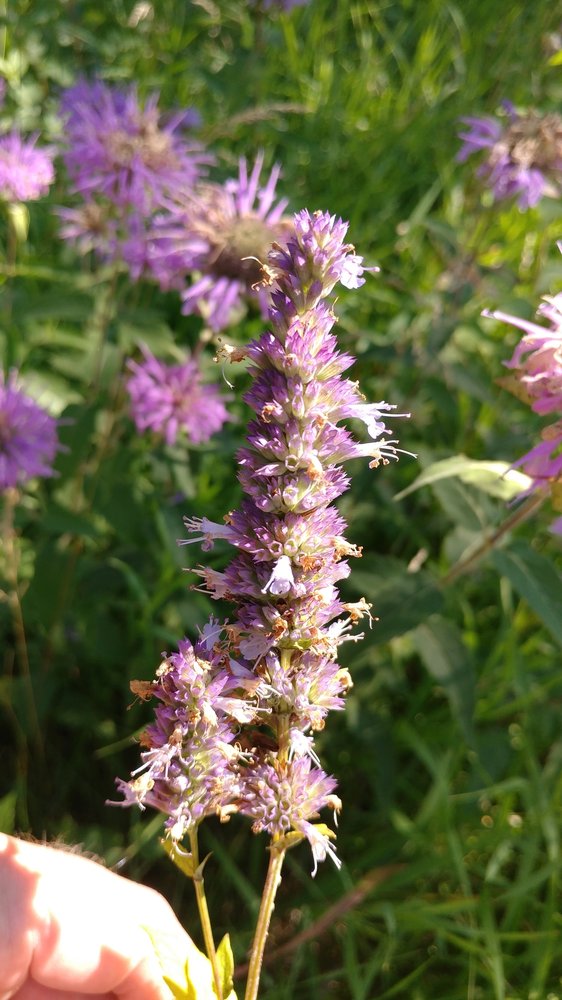
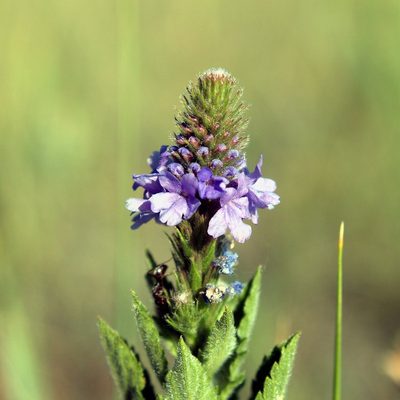
Anise Hyssop (Agastache foeniculum) is a native perennial mint with square stems, leaves that are whitish underneath and smell of licorice when crushed, and dense spikes of small blue-violet flowers at the stem tips. It blooms from July into early September, and in the Black Hills it grows mostly in moist gulches and stream bottoms of the northern and central Hills.
Free photos from other sources
| Family | Lamiaceae · Mint |
|---|---|
| Status | Native perennial |
| Blooms | July and August, with a few in June and early September |
| Height | 60–100 cm (2–3 ft) |
| Where | Moist gulches, stream banks, canyon bottoms, aspen and birch woods, and openings in pine forest |
| Also called | Blue Giant Hyssop, Lavender Hyssop, Giant Hyssop, Fragrant Giant Hyssop, Wild Anise, waȟpé yatȟápi (Lakota) |
| Synonym | Agastache anethiodora, Hyssopus anethiodorus, Hyssopus anisatus, Lophanthus anisatus, Stachys foeniculum, Vleckia anethiodora |
| Traditional use | Sitting Bull College's 1998 Culturally Important Plants of the Lakota says the Lakota made a tea from the leaves, chewed them for their licorice taste and to freshen the breath, and drank a leaf infusion for colds and fevers and to strengthen the heart. |
Roots, seeds & germination
Root: A short taproot, with rhizomes that slowly spread one plant into a small clump over a few years. It doesn't spread aggressively like garden mint. The plant is short-lived but replaces itself by reseeding.
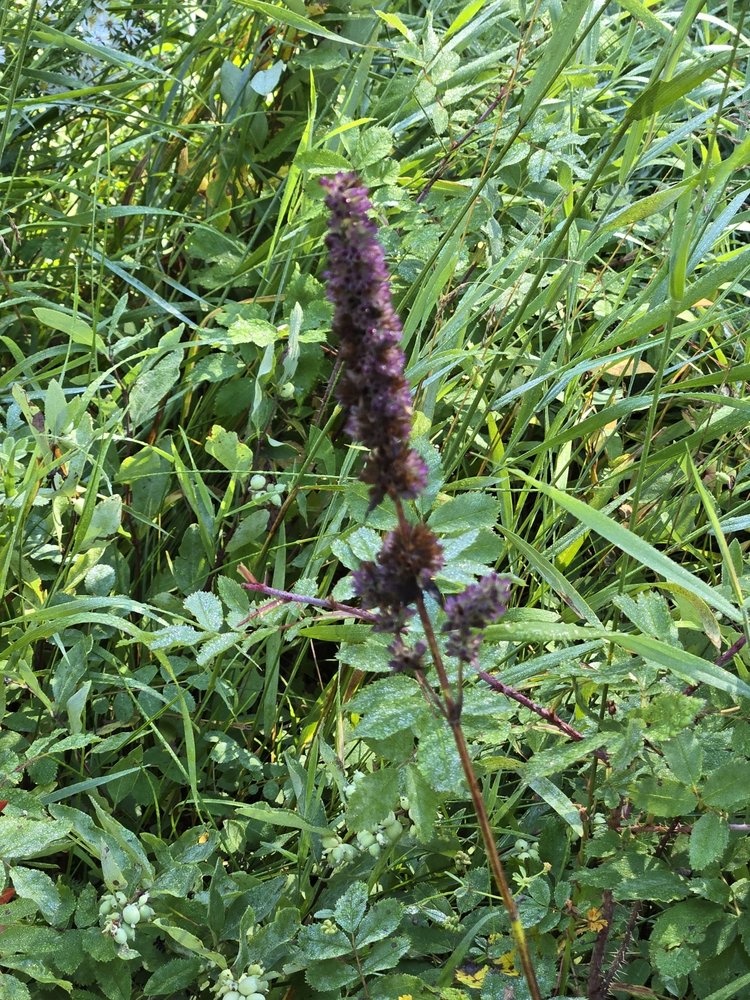
Seed: Each flower makes four tiny, smooth, oval brown nutlets, about 1.3–1.5 million to the pound. The seed ripens in late summer and fall, and the dark brown spikes stand into winter. Goldfinches eat the seed.
Germination: The seed sprouts easily and needs light, so it is pressed onto the surface or covered very thinly. At about 20 °C (68 °F) it comes up in one to four weeks. Cold, moist stratification isn't required but can help, and plants grown from seed can bloom their first year.
How do you identify Anise Hyssop?
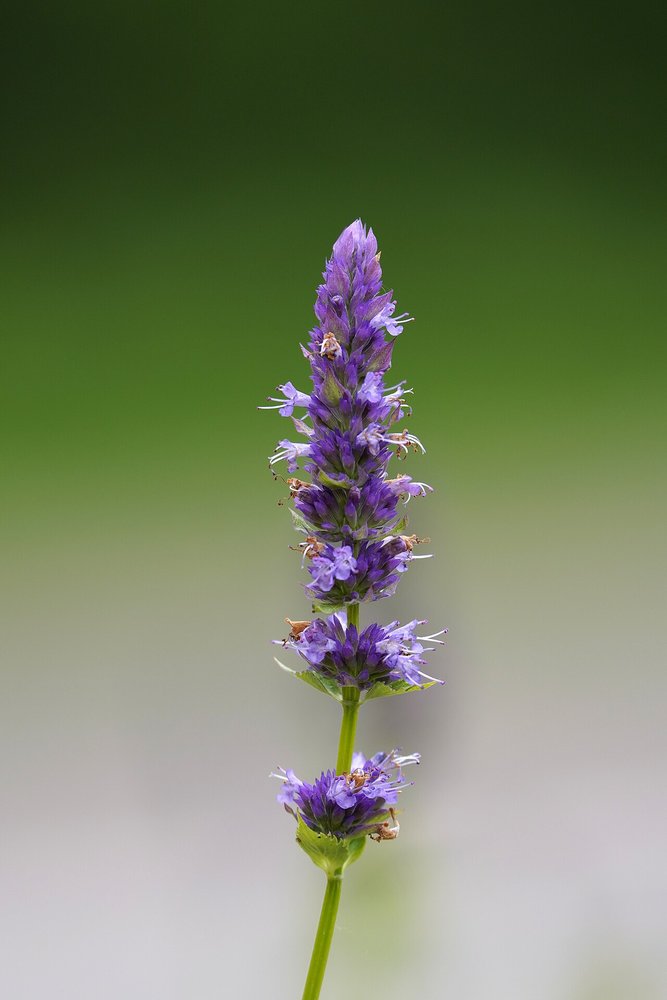
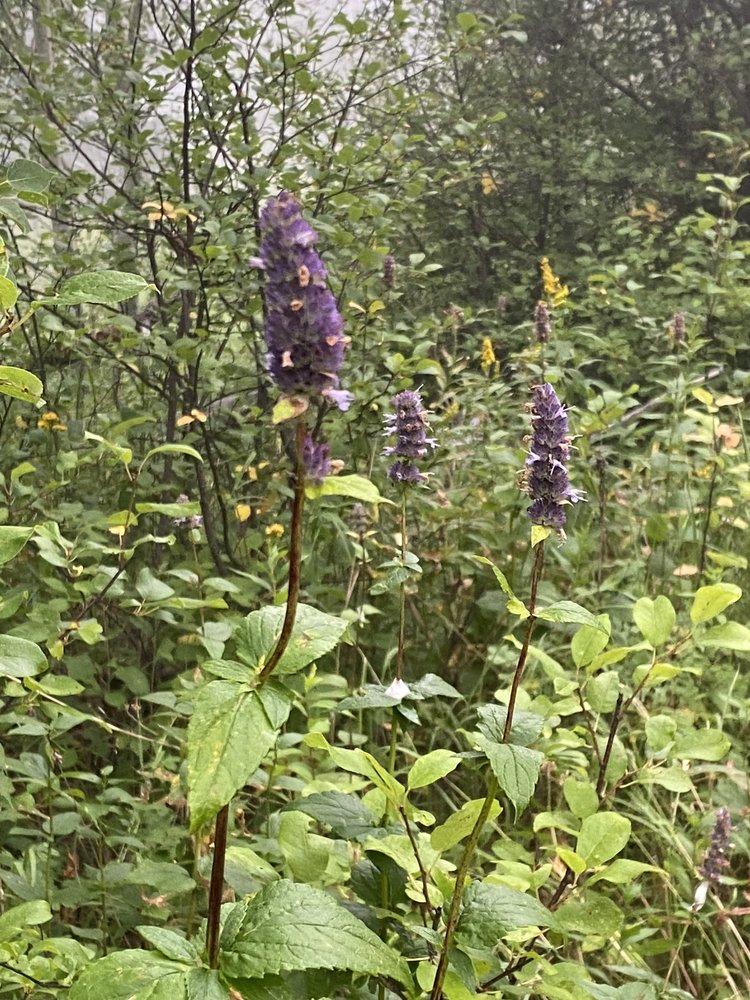
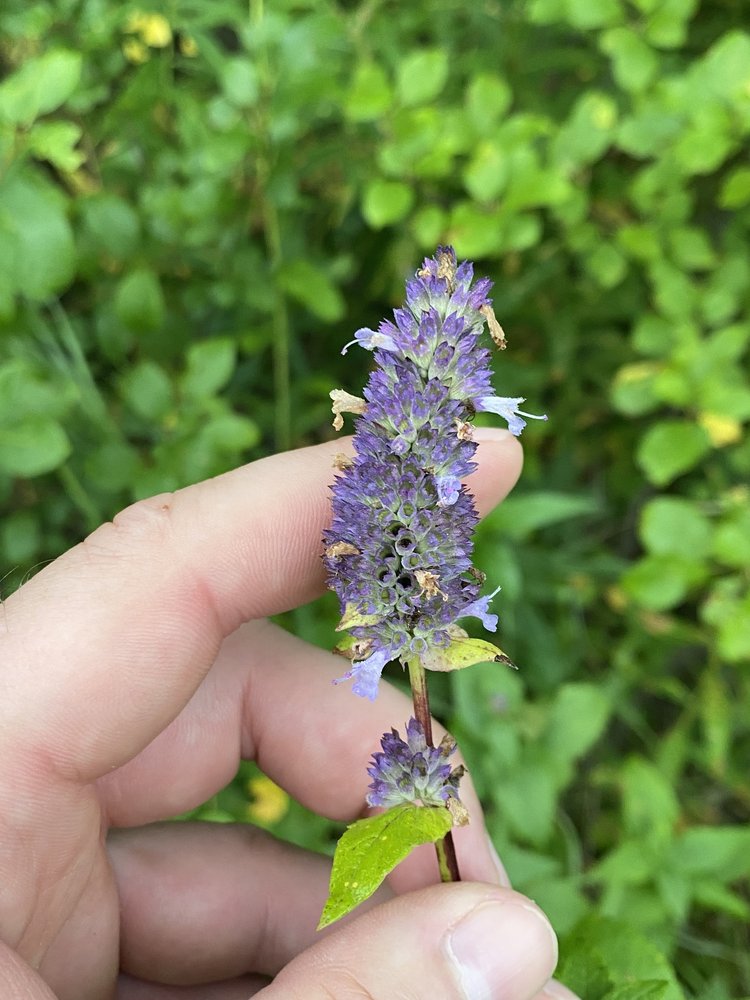
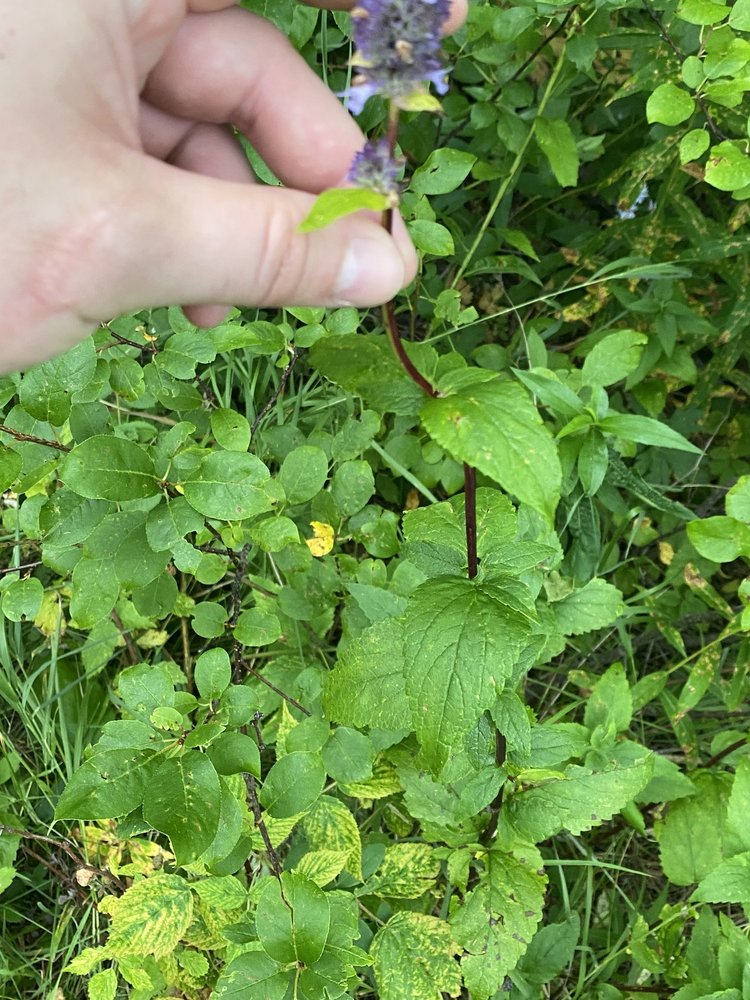
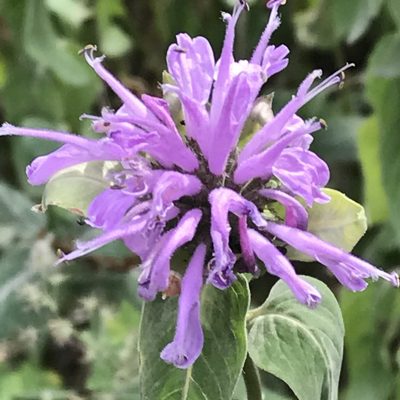
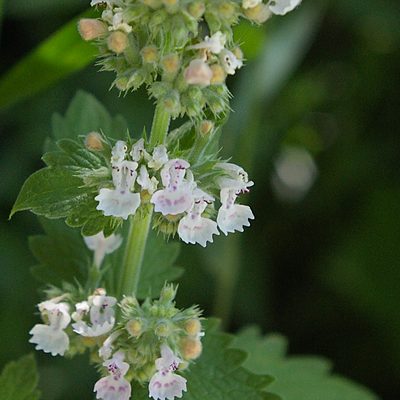
Look for a square stem with opposite, coarsely toothed, egg-shaped leaves that are whitish underneath and smell strongly of licorice or anise when crushed. The small blue-violet to lavender flowers crowd into a dense, cylinder-shaped spike 3–10 cm (1–4 in) long at the stem tip, with four stamens poking out of each flower, and the base of the spike is often broken into separate whorls. Wild Bergamot, which often grows alongside, has one round, ragged pom-pom head, leaves green underneath and an oregano smell. Catnip is gray and downy, with whitish, purple-spotted flowers. The spikes turn brown and stand through winter.
When does it bloom?
July and August, with a few in June and early September.
Where does it grow?
Moist places: gulches, stream banks and floodplains, canyon bottoms, aspen and paper birch woods, hazelnut thickets, and openings or edges in ponderosa pine forest, at about 1,220–1,965 m (4,000–6,450 ft). The 1986 Jewel Cave survey lists it as Giant Hyssop, and National Park Service lists record it at Wind Cave and Mount Rushmore. More than 100 herbarium specimens come from the Black Hills counties, and it is photographed in Custer State Park.
Other flowers to compare
Sources: Black Elk & Flying By (1998), Culturally Important Plants of the Lakota, Sitting Bull College (entry 7); Gilmore (1919), Uses of Plants by the Indians of the Missouri River Region, BAE 33rd Annual Report, p. 113 (full text); Marriott & Hartman (1986), Vegetation of Jewel Cave National Monument; NPSpecies checklist – Wind Cave National Park; NPSpecies checklist – Jewel Cave National Monument; NPSpecies checklist – Mount Rushmore National Memorial; NPSpecies checklist – Devils Tower National Monument; GBIF occurrence search – Agastache foeniculum, preserved specimens; iNaturalist – Agastache foeniculum in Black Hills National Forest; USDA PLANTS – Agastache foeniculum (AGFO); ITIS – Agastache foeniculum (TSN 32440); SDSU Open PRAIRIE – Lamiaceae: Agastache foeniculum (Reese); SEINet – Agastache foeniculum (description from Gleason & Cronquist 1991); Minnesota Wildflowers – Blue Giant Hyssop; UW–Madison Extension Master Gardener – Anise Hyssop, Agastache foeniculum; Plant Propagation Protocol for Agastache foeniculum, Univ. of Washington ESRM 412; Xerces Society – Plants for Pollinators: Giant Hyssop; Ernst Seeds – Anise (Lavender) Hyssop; Jelitto Perennial Seeds – Agastache foeniculum.