Canada Mint Mentha arvensis also listed as Mentha canadensis
Also called Field Mint, Wild Mint, čheyáka (Lakota), čháŋ pȟežúta čík’ala (Lakota)
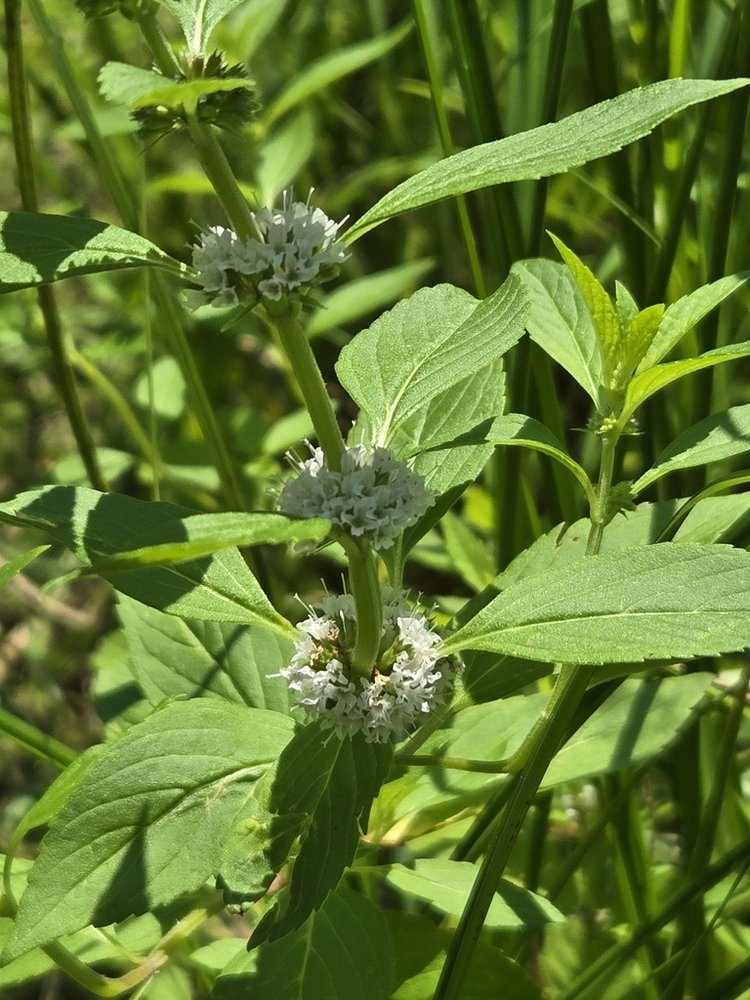
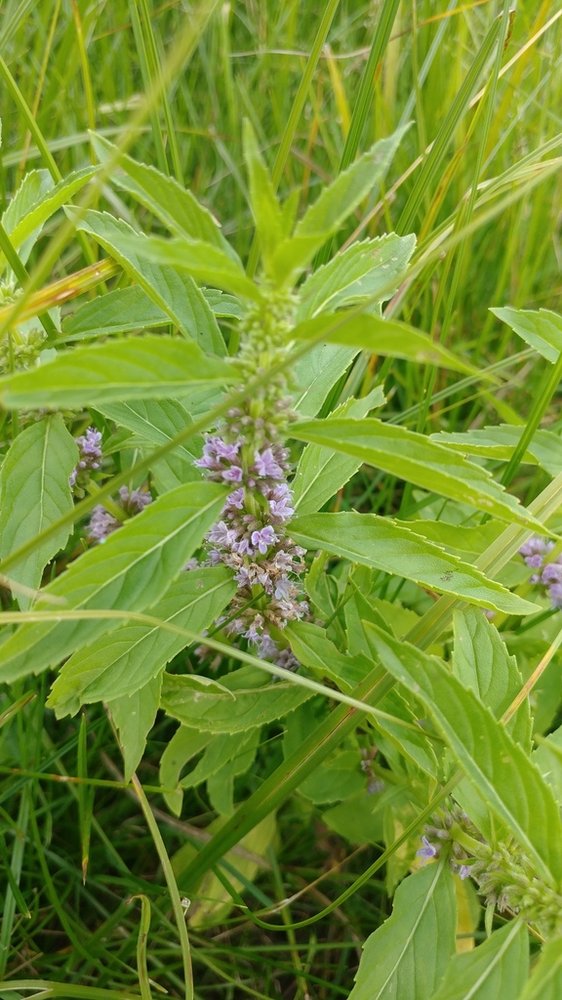
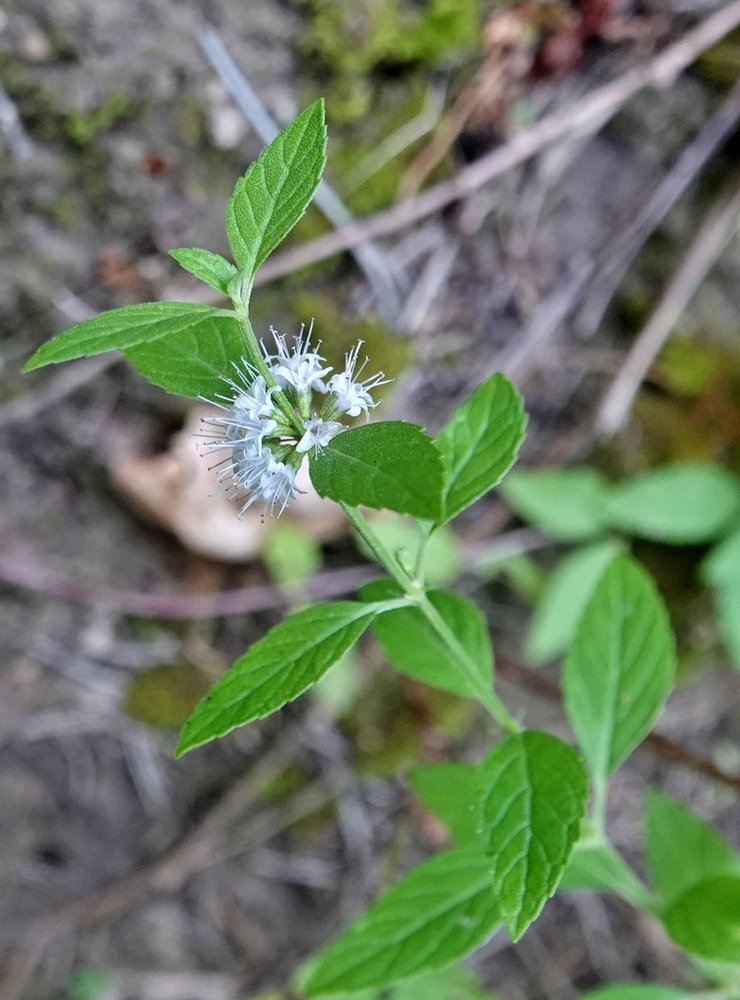
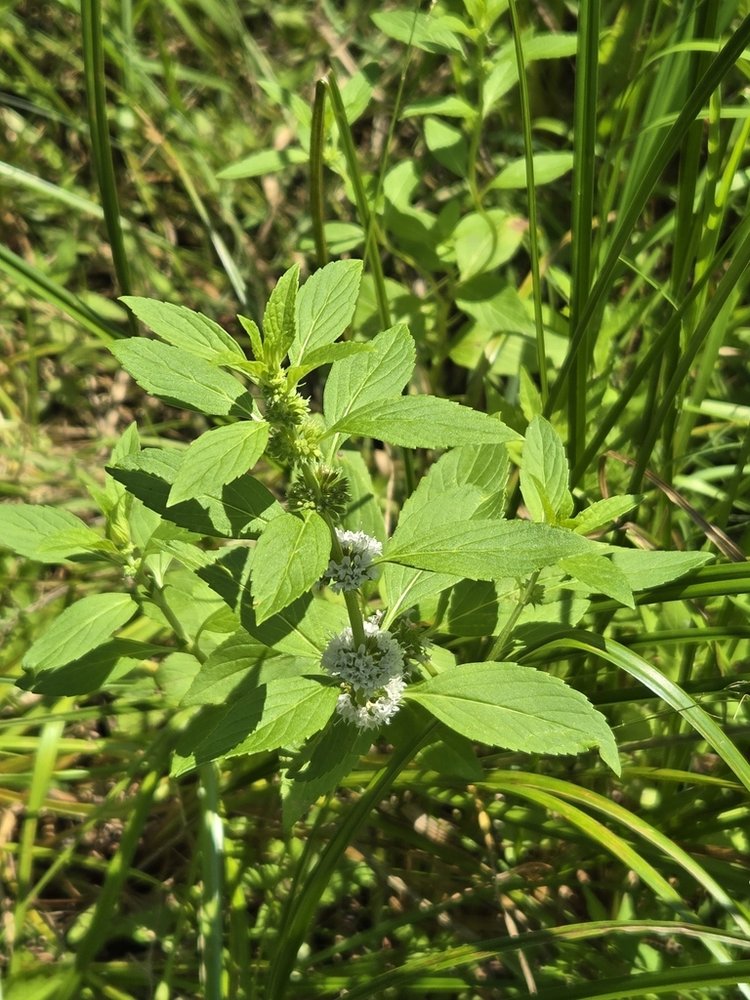
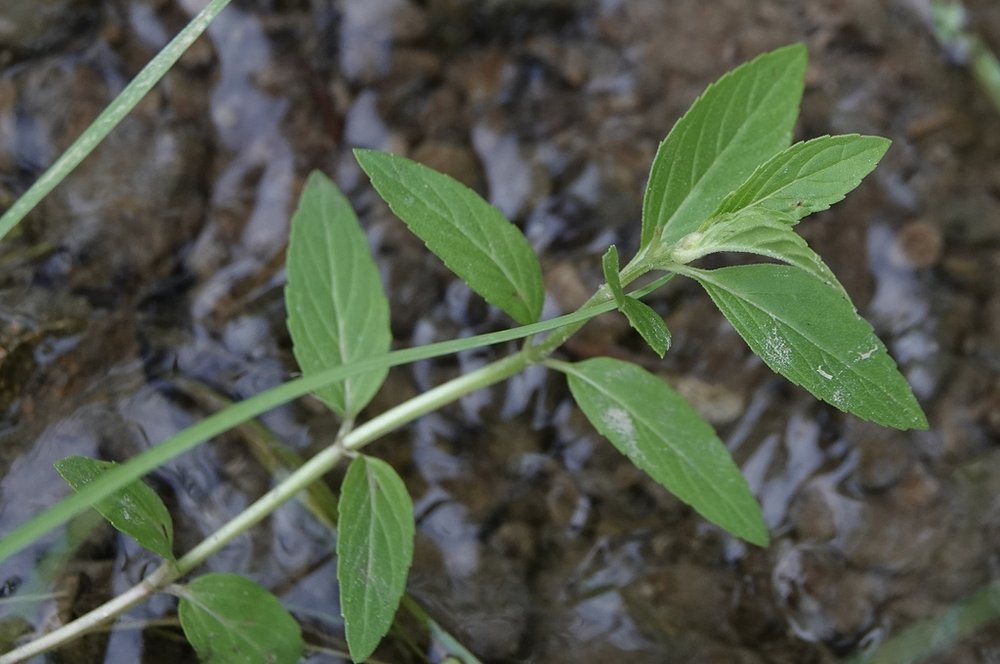
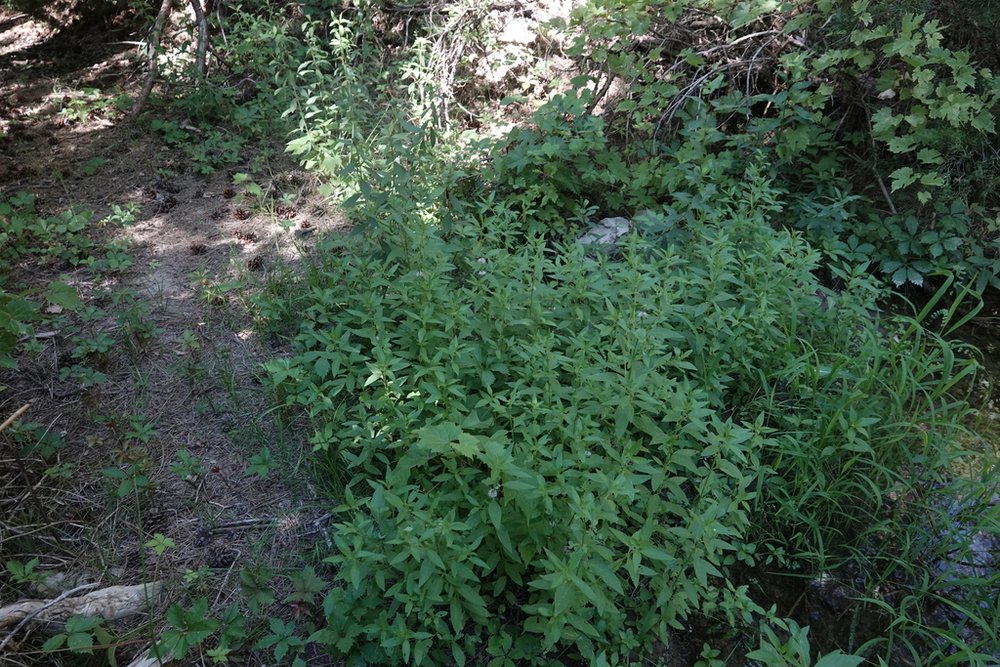
Canada Mint (Mentha arvensis, also listed as Mentha canadensis) is a native wild mint of stream banks and wet ground, a square-stemmed perennial 15–75 cm (6–30 in) tall that smells of mint when crushed, with tiny pale lavender, pink or white flowers in tight whorls at the leaf joints from July into September. In the Black Hills the national forest calls it common along stream banks, and the National Park Service lists it at Wind Cave, Jewel Cave, Mount Rushmore and Devils Tower.
Free photos from other sources
| Family | Lamiaceae · Mint |
|---|---|
| Status | Native perennial |
| Blooms | July into September |
| Height | 15–75 cm (6–30 in) |
| Where | Stream banks, creek bottoms, lake and pond shores, wet meadows, springs and ditches |
| Also called | Field Mint, Wild Mint, čheyáka (Lakota), čháŋ pȟežúta čík’ala (Lakota) |
| Synonym | Mentha arvensis, Mentha arvensis var. canadensis, Mentha arvensis var. glabrata, Mentha arvensis var. villosa, Mentha glabrior |
| Traditional use | Black Elk and Flying By (1998) record that the Lakota boil the leaves and stems for a tea commonly served at ceremonies, feeds and meetings, eat the leaves fresh or dried for indigestion, make a strong root decoction for headaches and fever, and that women tuck sprigs in pockets or under belts as a perfume. Gilmore (1919) recorded that the Dakota, Omaha, Pawnee and Ponca steeped it in water and sweetened the drink with sugar as a remedy for gas, sometimes drinking it like tea for its flavor, and that the Dakota flavored cooked meat with it and packed it in layers with their dried meat. |
Traditional use: first drafted by Google AI, then checked against the sources on this page.
Roots, seeds & germination
Root: The plant spreads by rhizomes (underground stems) and forms sizeable colonies; the rhizomes regrow after earth-moving if they stay near the surface.
Seed: Each flower sets four small oval nutlets, one seed apiece, tan, smooth and under 1 mm long.
How do you identify Canada Mint?
Crush a leaf: the smell is mint. The stem is square, upright or leaning, green or red, with hairs at least along the angles. The leaves are opposite, each pair set at right angles to the next, 2–6.5 cm (¾–2½ in) long, narrowly egg-shaped to elliptic with a pointed tip and toothed edges, on short stalks. The flowers are the mark: dense whorls of about 20 tiny tubular flowers, 3–7 mm long, ring the stem at the leaf joints along much of its length and open from the bottom up, while the stem tip stays leafy with no flower head on it. Each flower is pale lavender, pink or white with darker spots inside, the upper lip notched and the lower lip three-lobed, and four long stamens poke out of the tube; the hairy calyx (the cup behind the petals) has short triangular teeth. Bugleweeds grow in the same wet places with the same leaf arrangement and small whorls, but their flowers are white with only two stamens and their leaves have no mint smell.
When does it bloom?
July into September.
Where does it grow?
Stream banks, creek bottoms, lake and pond shores, wet meadows, marshes, springs and ditches, in sun or part shade, from about 1070 m (3500 ft) in the foothills to about 2015 m (6600 ft). The Black Hills National Forest's native plant page calls it a common plant along stream banks and other wet places, and Devils Tower lists it among the wildflowers commonly seen along its trails. The National Park Service lists it as present at Wind Cave National Park, Jewel Cave National Monument, Mount Rushmore National Memorial and Devils Tower National Monument, and the 1986 Jewel Cave plant survey records it. About 160 herbarium specimens from 1892 to 2011 come from every Black Hills county, most from Lawrence and Pennington counties: creek banks and floodplains, lake edges, marshes, a fen along a spring-fed creek, wet canyon bottoms, and mossy, wet white spruce bottoms.
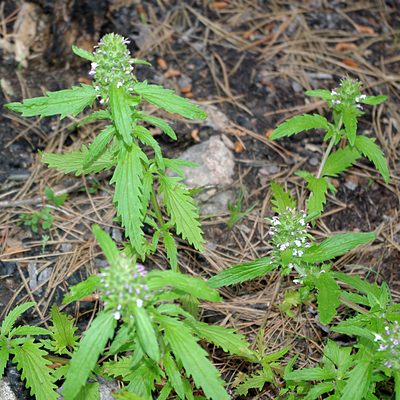
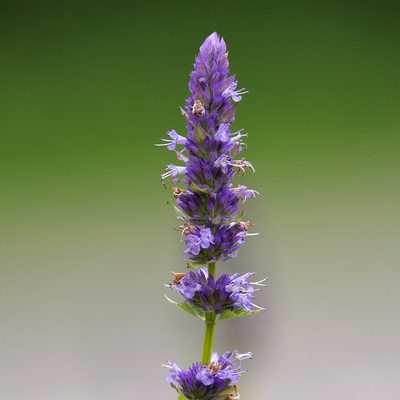
Other mints in this guide
Sources: Mentha arvensis (Wild Mint) — Minnesota Wildflowers; Mentha canadensis — Kansas Wildflowers and Grasses; Field Mint (Mentha arvensis) — Illinois Wildflowers; Mentha arvensis — Lady Bird Johnson Wildflower Center; Black Hills native plants — USDA Forest Service, Black Hills National Forest; Native plants — NPS, Devils Tower National Monument; Mentha arvensis (MEAR4) — USDA PLANTS Database; Mentha canadensis L. — GBIF backbone taxonomy; Mentha arvensis, TSN 565302 — ITIS; NPSpecies checklist, Wind Cave National Park vascular plants — National Park Service; NPSpecies checklist, Jewel Cave National Monument vascular plants — National Park Service; NPSpecies checklist, Mount Rushmore National Memorial vascular plants — National Park Service; NPSpecies checklist, Devils Tower National Monument vascular plants — National Park Service; A Survey of the Vegetation of Jewel Cave National Monument (1986) — Marriott and Hartman, NPS History; Mentha canadensis, South Dakota and Wyoming herbarium specimens — GBIF; Mentha arvensis, South Dakota and Wyoming herbarium specimens — GBIF; Culturally Important Plants of the Lakota (1998), entry 189 — Linda Black Elk and Wilbur Flying By, filed with the South Dakota PUC; Gilmore, M.R. 1919, Uses of Plants by the Indians of the Missouri River Region (Internet Archive scan); Moerman, Native American Ethnobotany database (BRIT): Mentha arvensis.