Yellow Buckwheat Eriogonum flavum
Also called Yellow Wild Buckwheat, Alpine Golden Buckwheat, čhaŋȟlóǧaŋ hutkáŋ sapsápa šuŋgtȟáwote (Lakota)
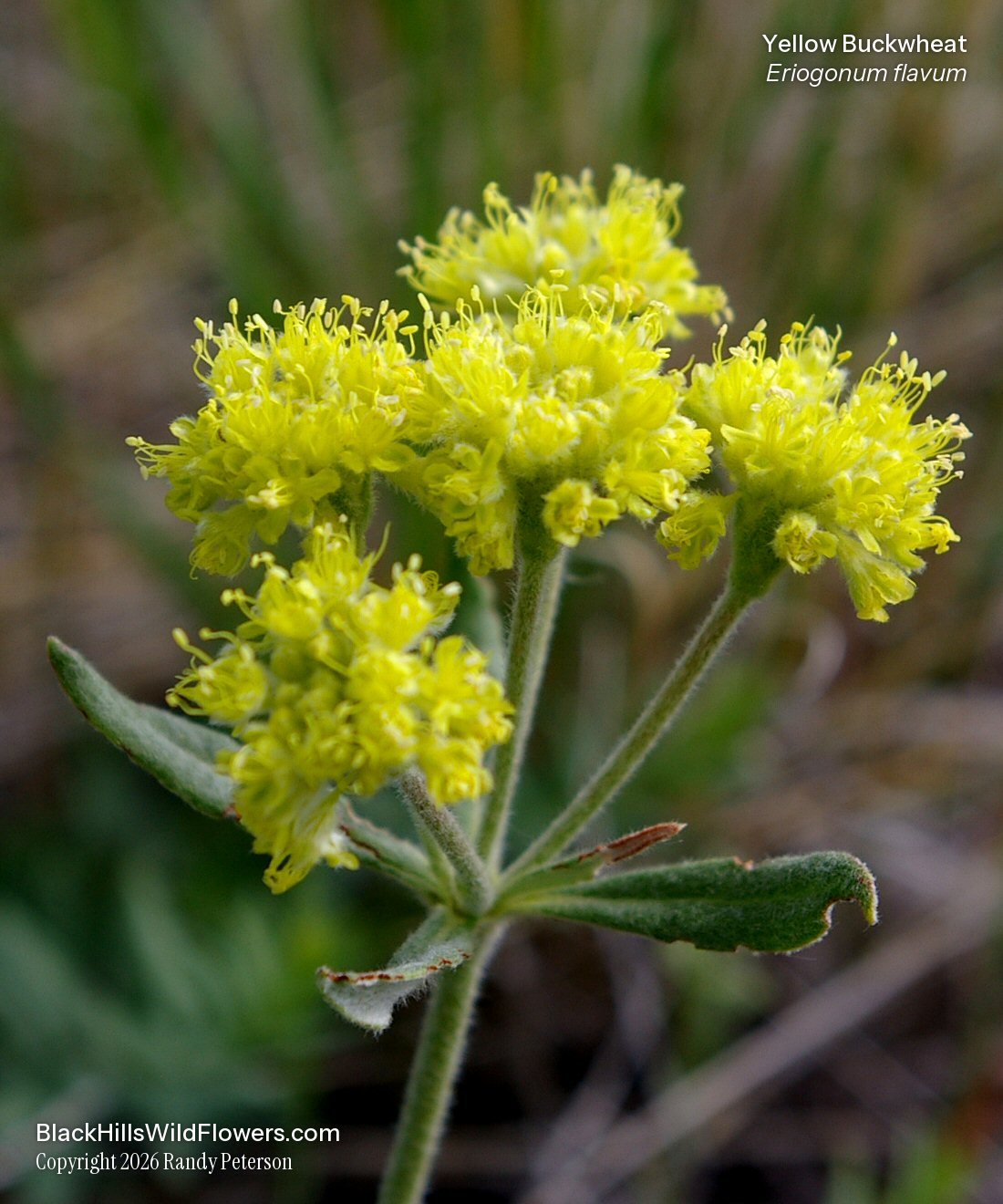
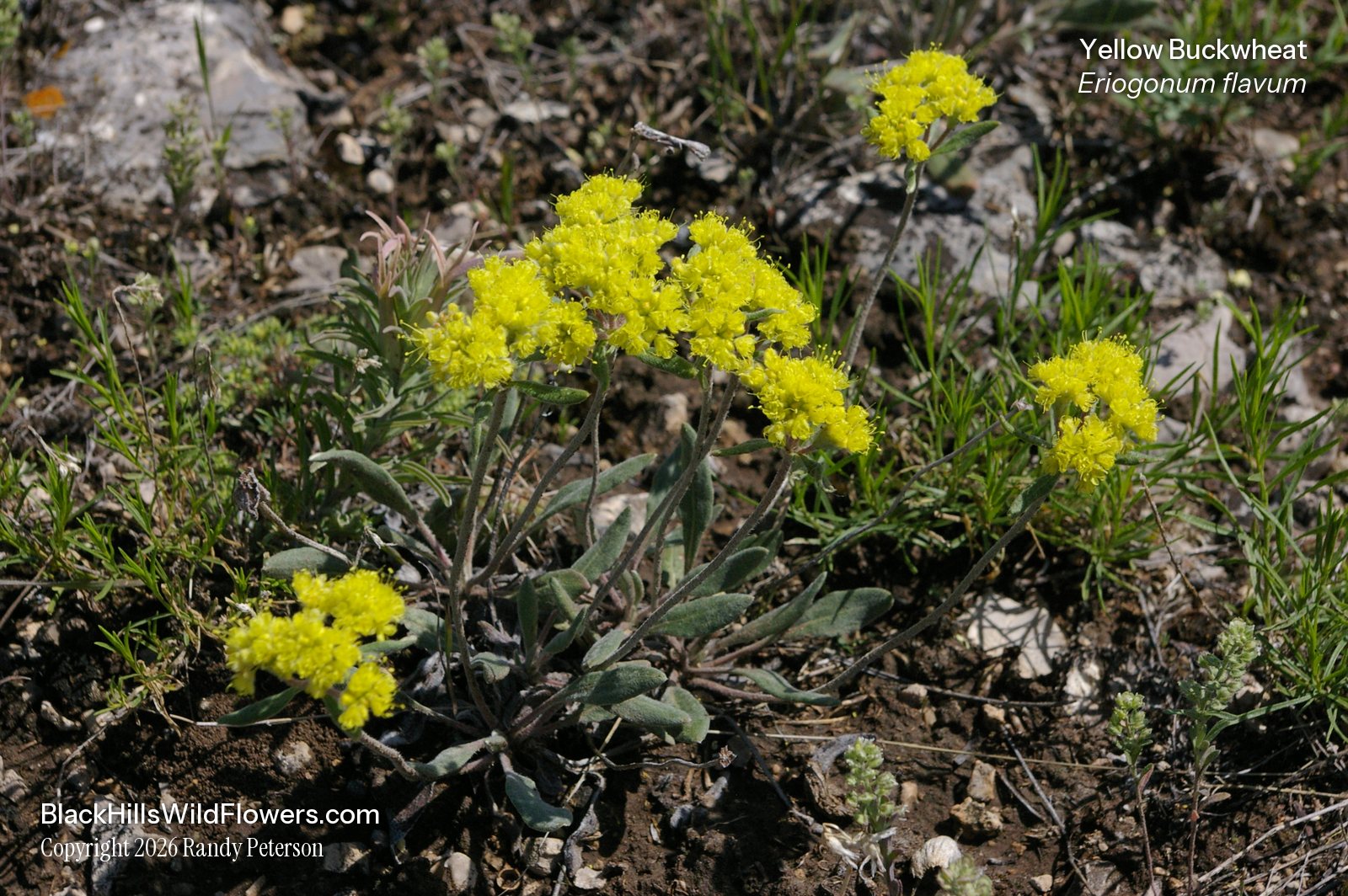
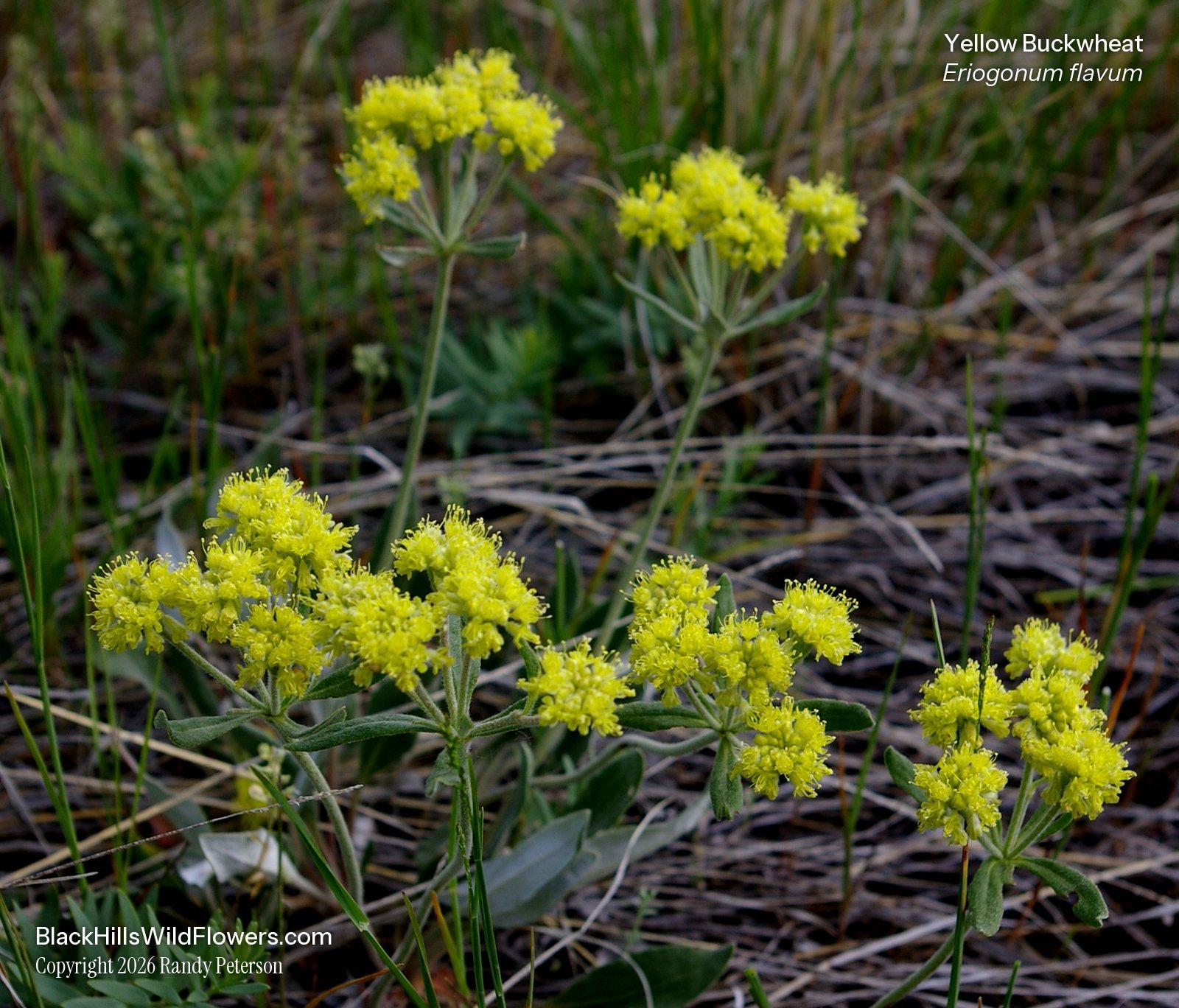
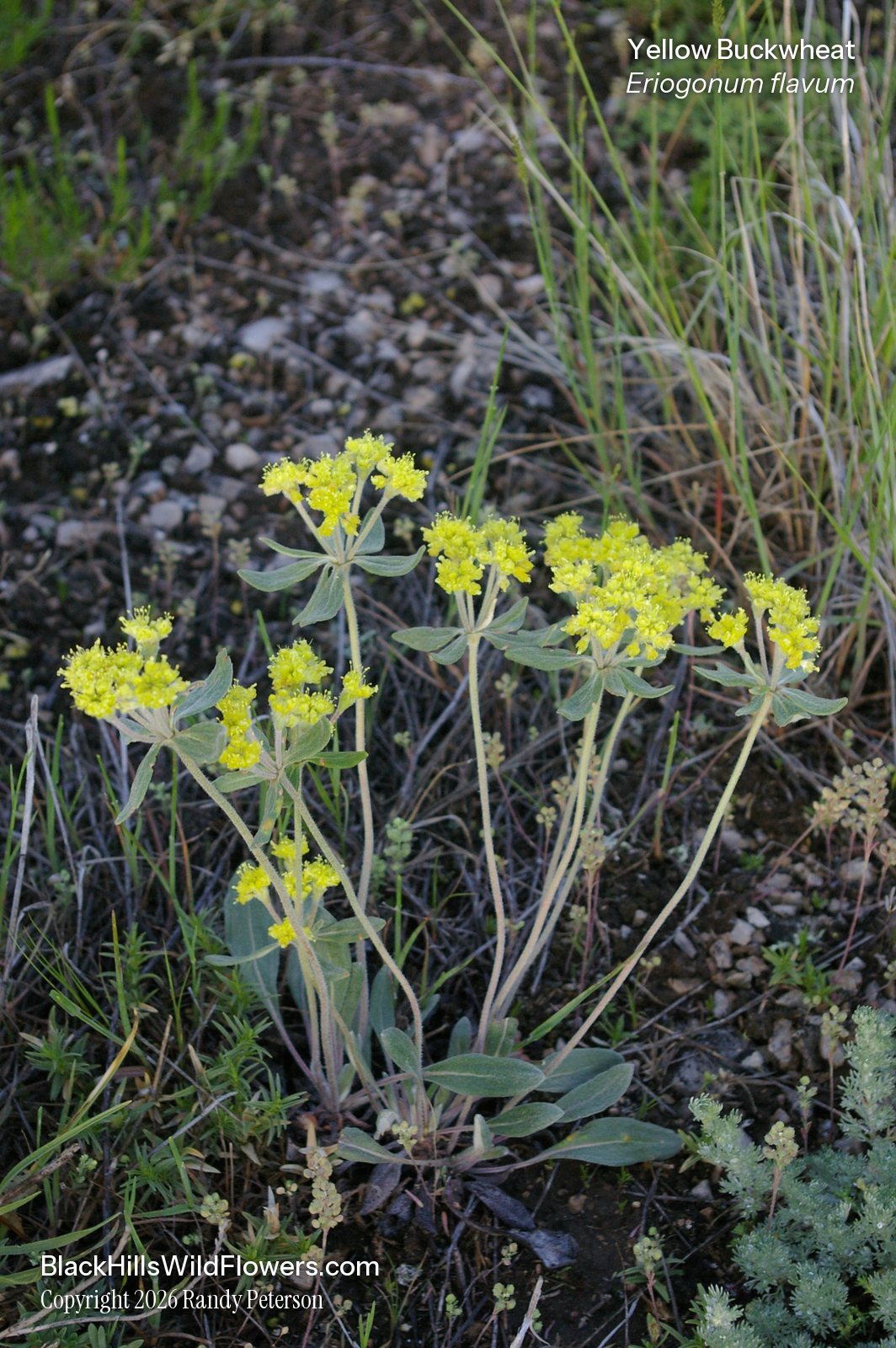
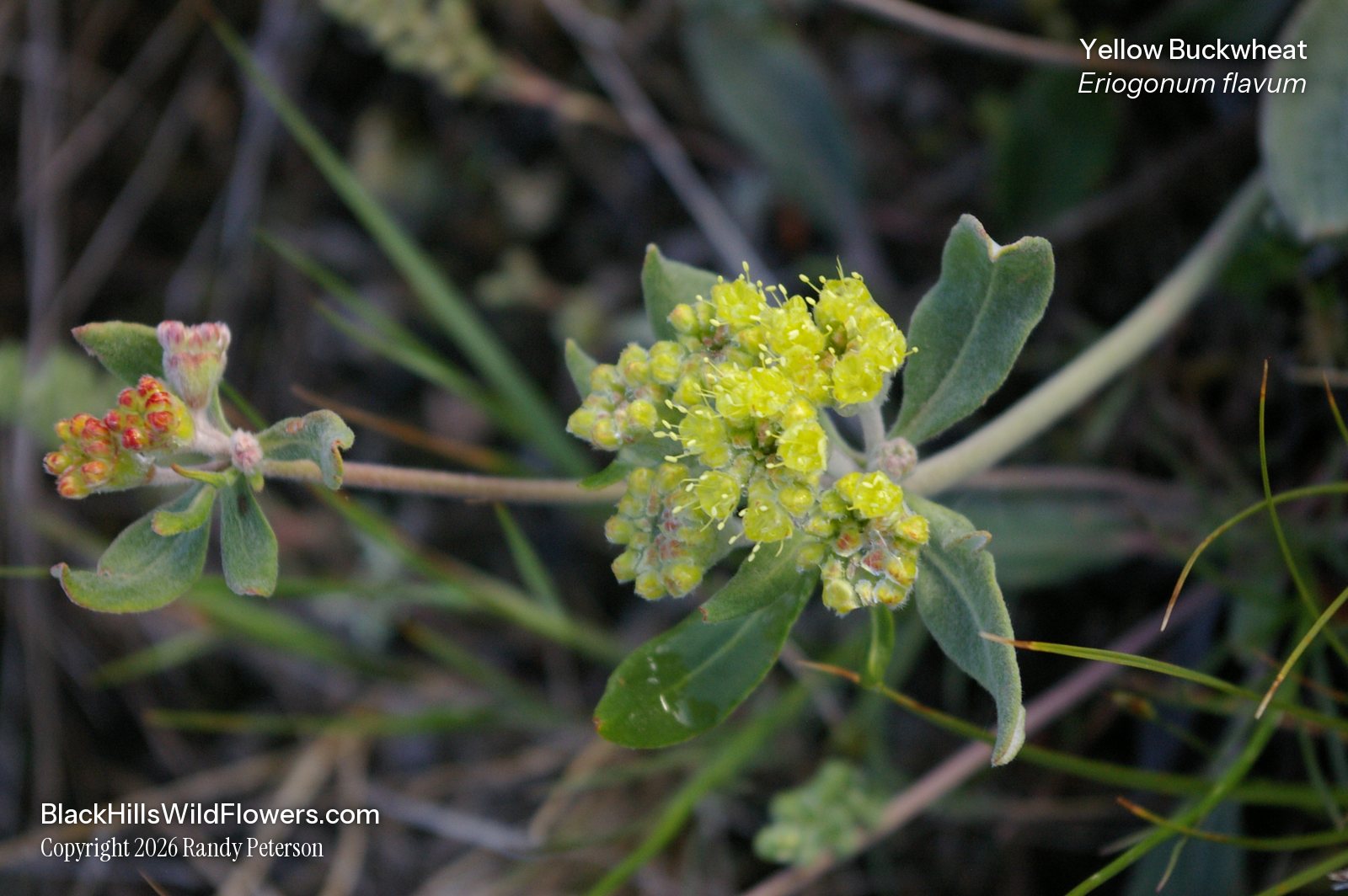
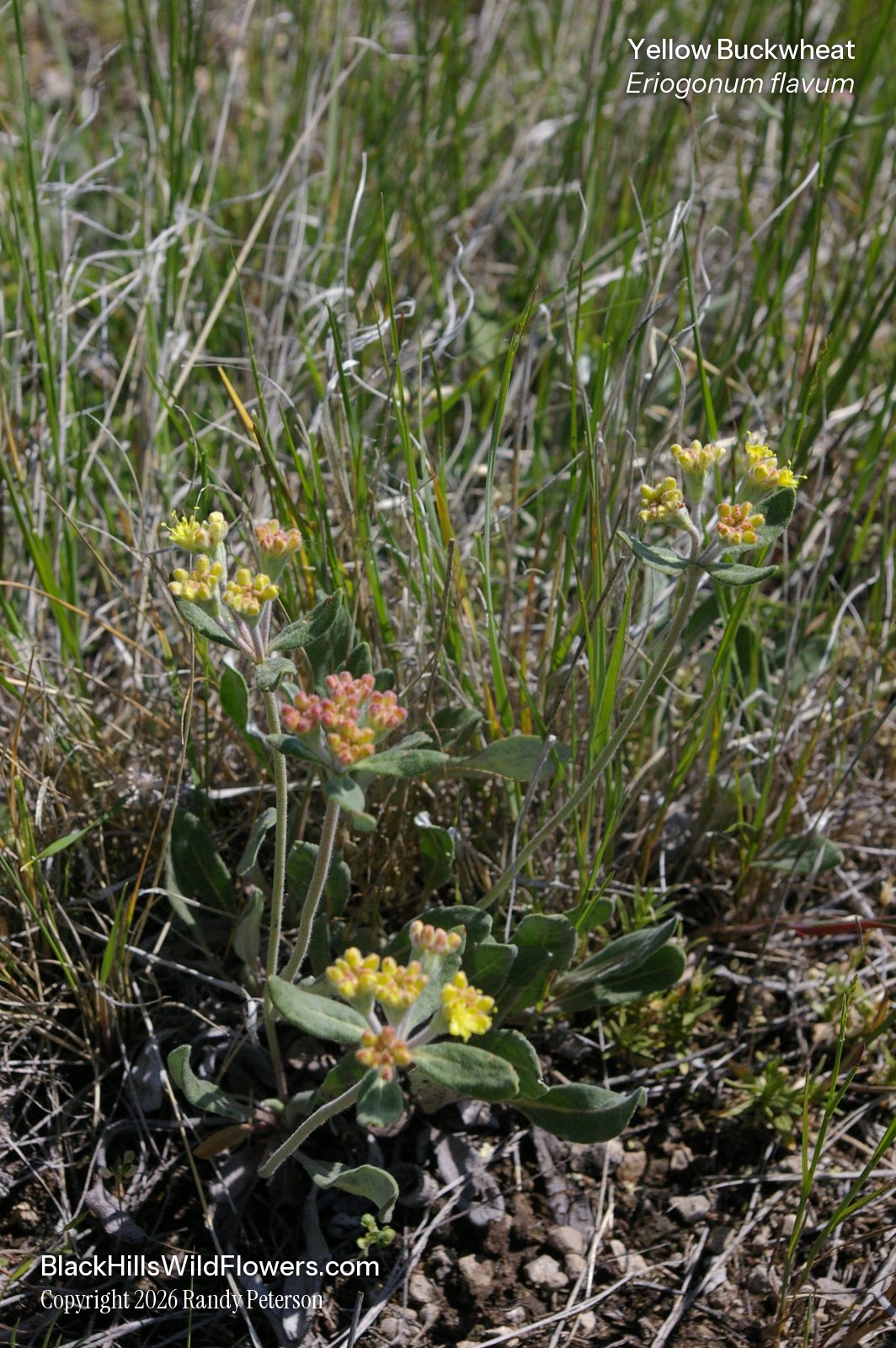
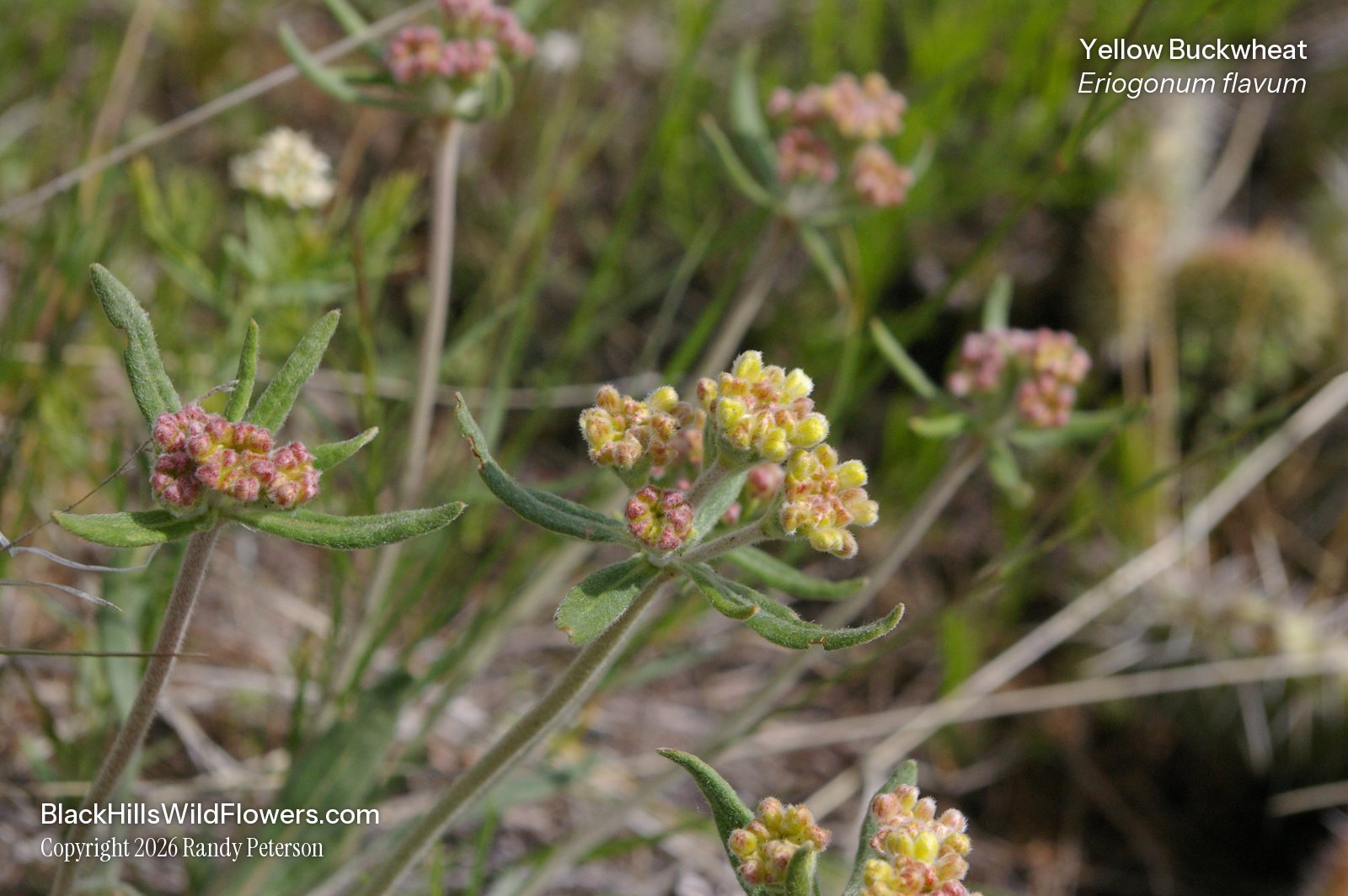
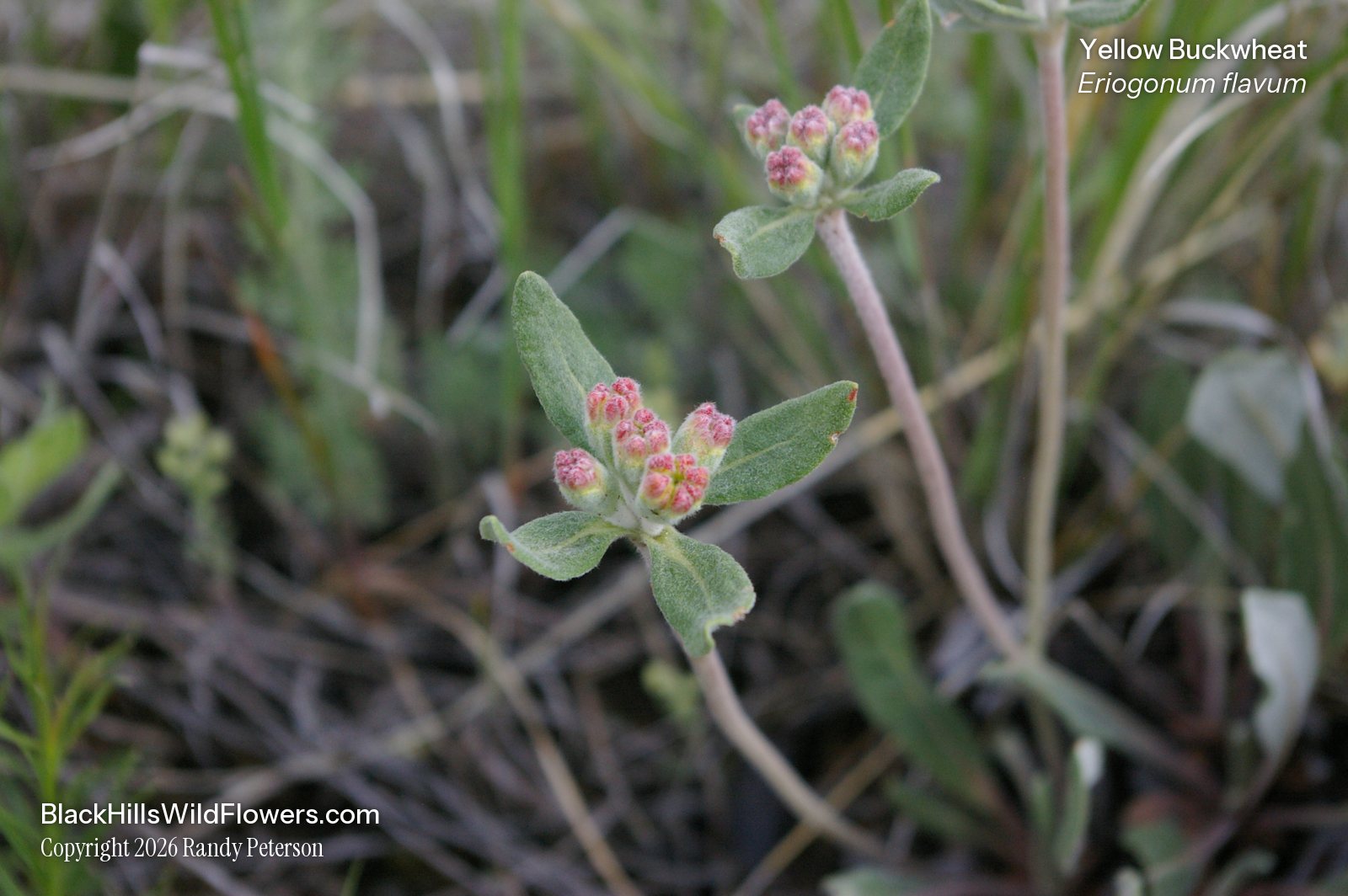
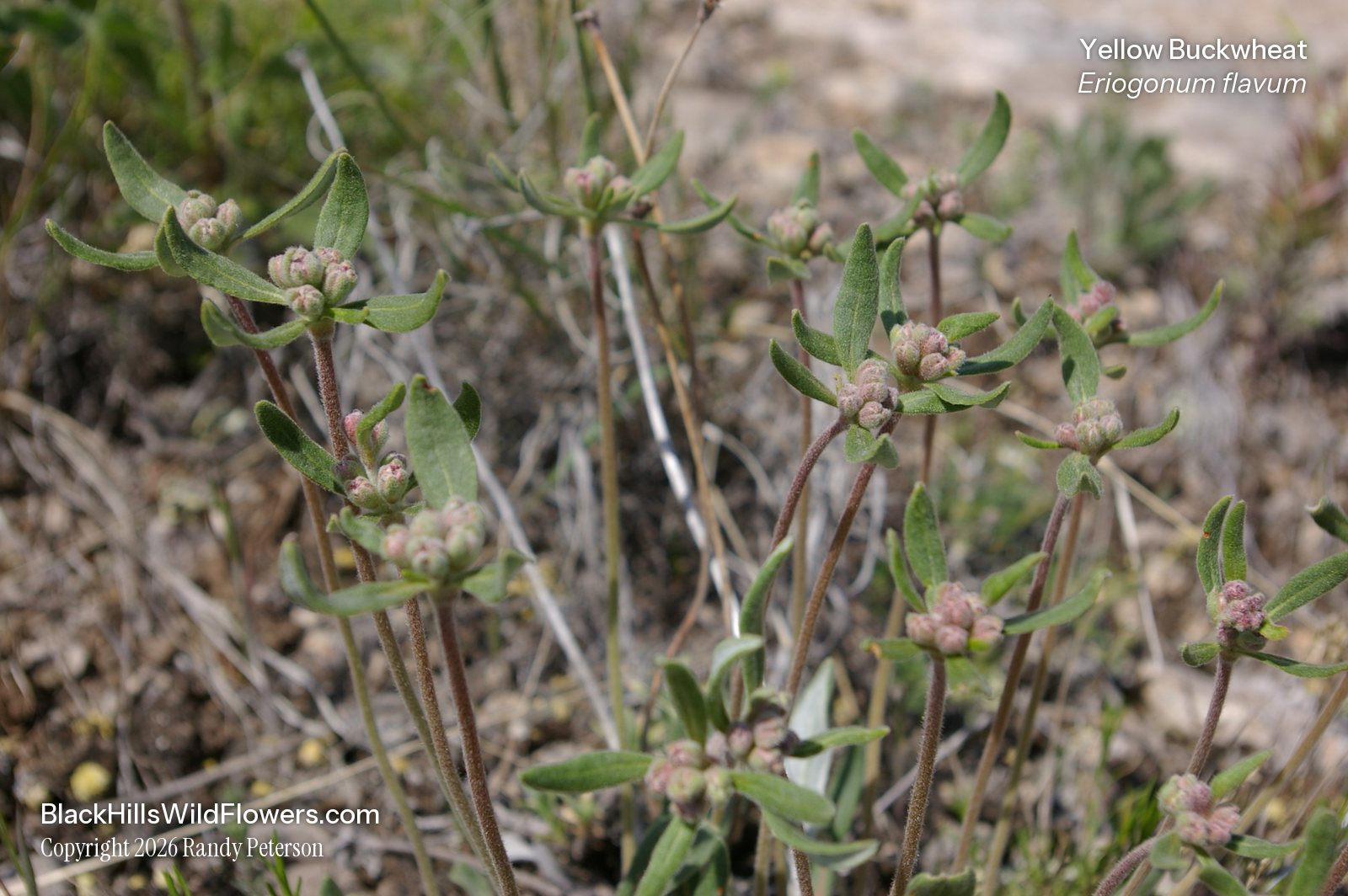
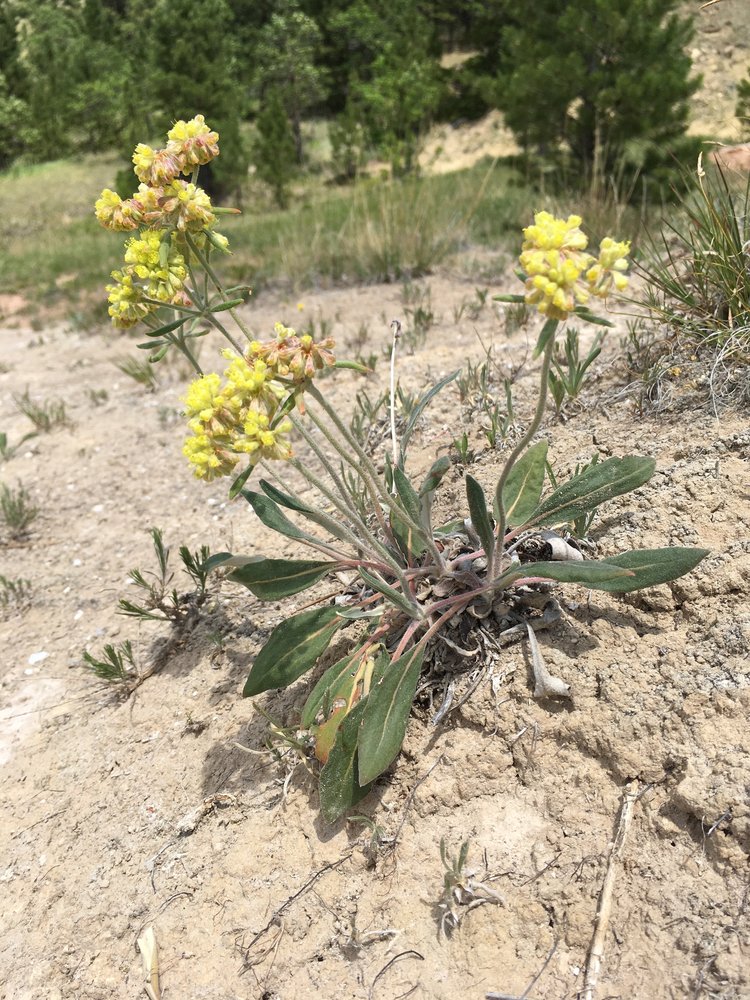
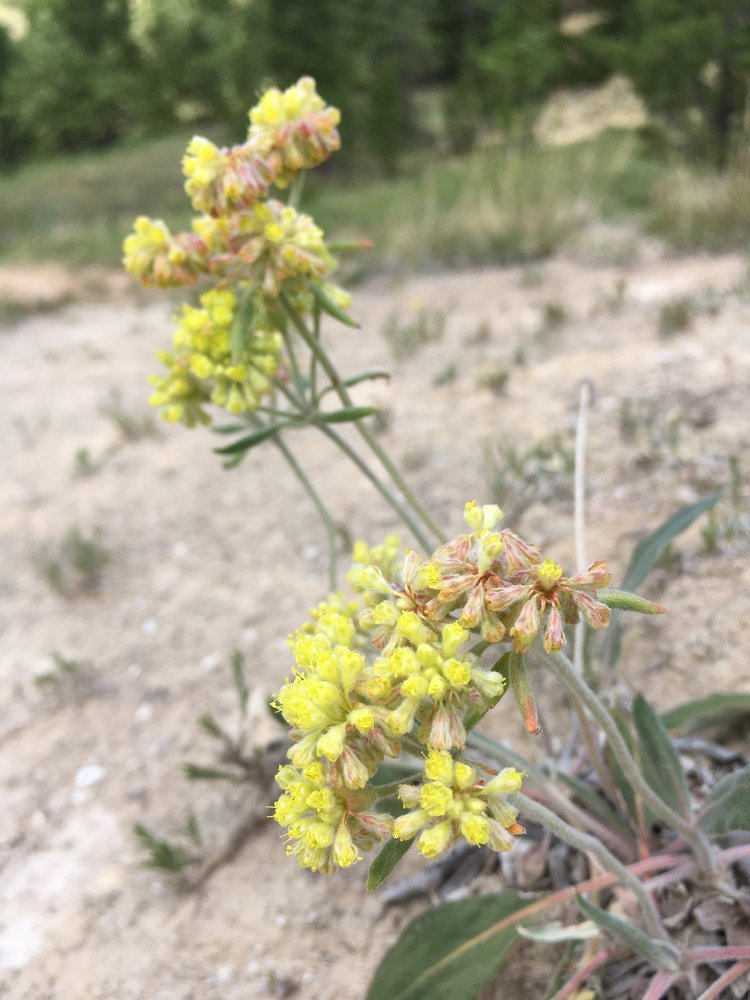
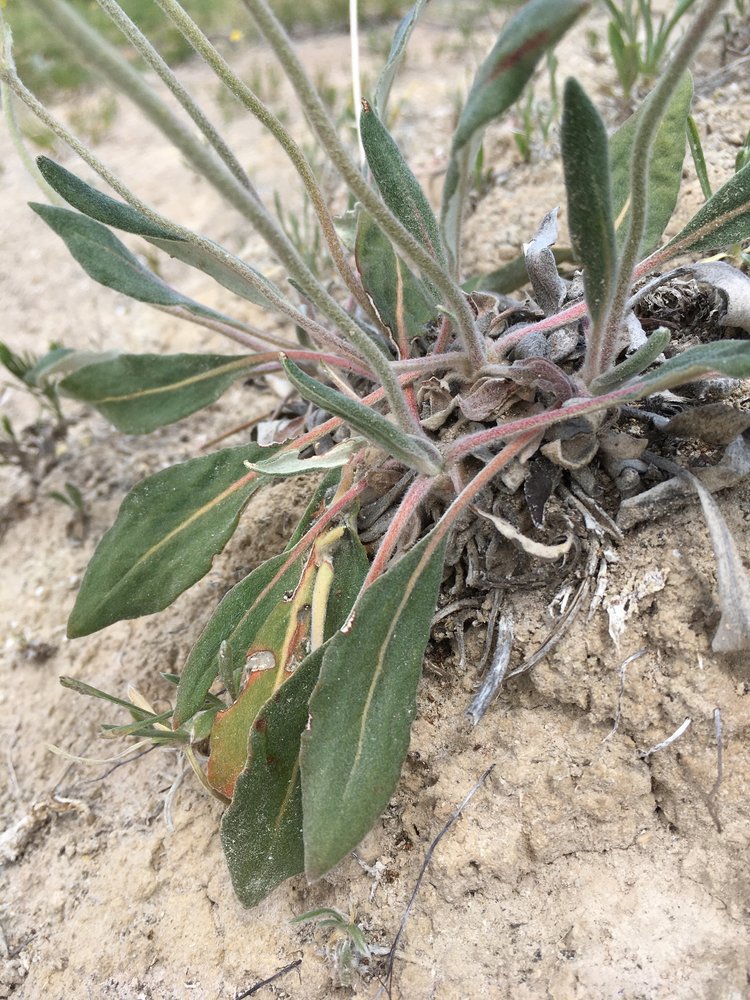
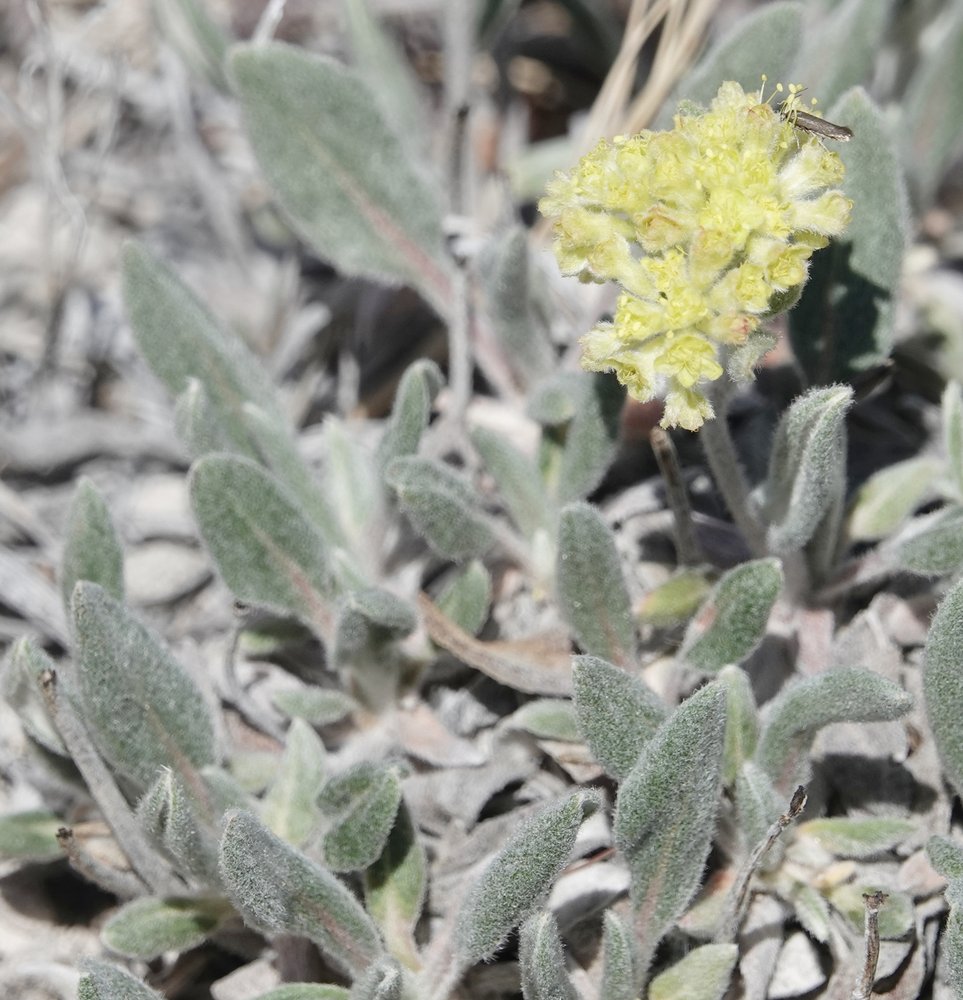
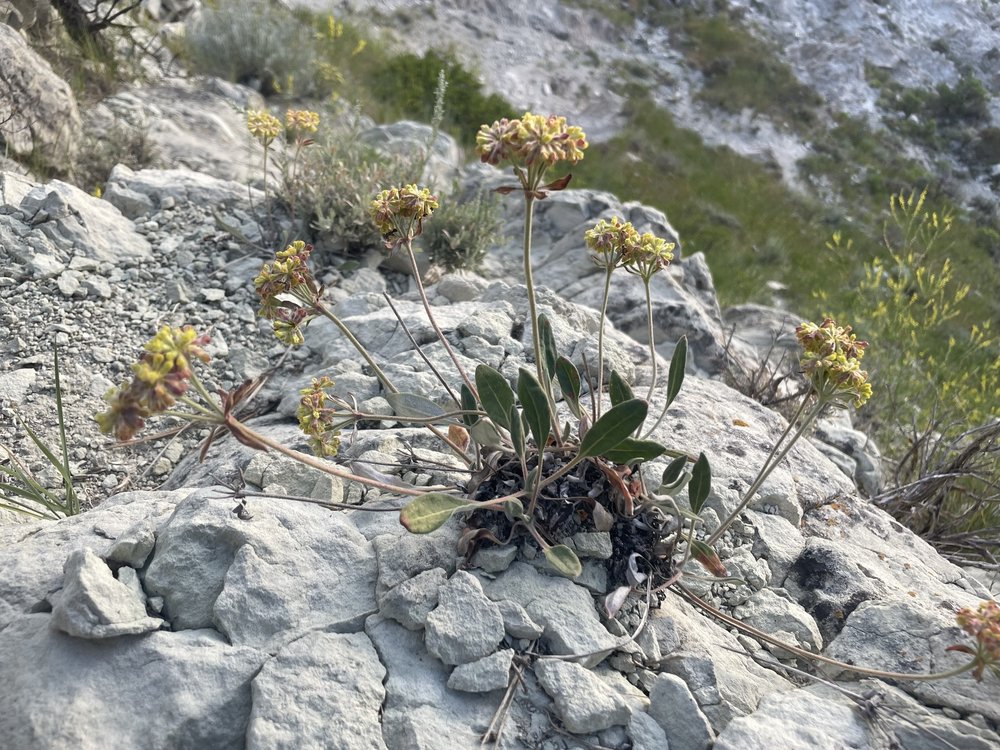
Yellow Buckwheat (Eriogonum flavum) is a native perennial that grows in low, woolly mats from a thick woody base and sends up leafless, hairy stalks 4–25 cm (1½–10 in) tall topped with ball-like clusters of small bright yellow flowers from May into August. Its leaves are green above and white-woolly beneath, and in the Black Hills it grows on dry slopes, ridges, hilltops and limestone outcrops, where the National Park Service lists it at Wind Cave and Devils Tower. Photographed in the Black Hills.
Free photos from other sources
| Family | Polygonaceae · Buckwheat |
|---|---|
| Status | Native perennial |
| Blooms | May into August, mostly June and July |
| Height | 4–25 cm (1½–10 in) |
| Where | Dry plains, ridges, hilltops and rocky slopes, from the prairie into open pine woods; sometimes on limestone |
| Also called | Yellow Wild Buckwheat, Alpine Golden Buckwheat, čhaŋȟlóǧaŋ hutkáŋ sapsápa šuŋgtȟáwote (Lakota) |
| Synonym | Eriogonum flavum var. polyphyllum, Eriogonum polyphyllum |
| Traditional use | Black Elk and Flying By (1998) record the Lakota name čhaŋȟlóǧaŋ hutkáŋ sapsápa šuŋgtȟáwote for it and note that the seeds may be ground into flour. |
Roots, seeds & germination
Root: A deep taproot under a thick, branched, woody crown that keeps its old leaf bases. The deep roots and the mat of leaves help hold dry slopes in place.
Seed: The flowers dry to a papery husk around light brown to tan, three-sided seeds 3–5 mm long, each with a tuft of hairs at the tip. Fruit starts in late July, and the seed is ripe in September, when the flower parts are papery and the seeds have turned tan.
Germination: Sow in fall, or give the seed 90 days of cold, moist treatment before spring planting, in well-drained rocky, sandy or clay soil in full sun. The plant grows slowly but forms a mat in time.
How do you identify Yellow Buckwheat?
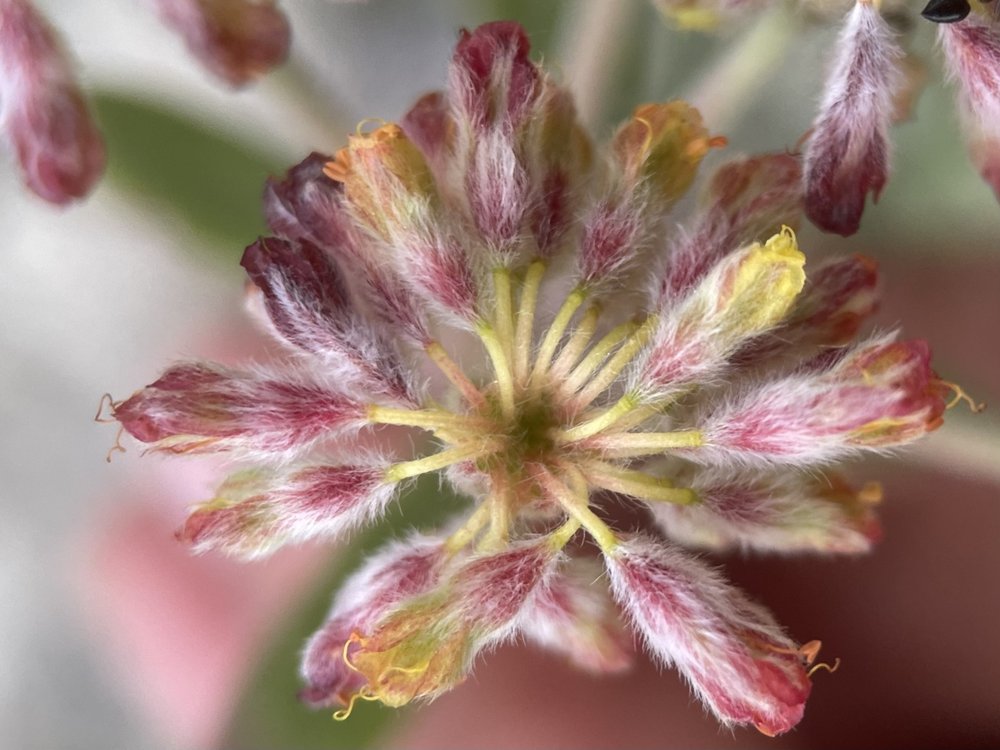
Look for a low mat of crowded, stalked leaves 1–7 cm (½–3 in) long, narrow to elliptic with smooth edges, green on top and densely white or gray woolly underneath, growing from a thick woody base that keeps its old dead leaf bases. The flower stalks are leafless and hairy, 4–25 cm (1½–10 in) tall, with a ring of 4 to 6 leaf-like bracts where they branch into an umbel of ball-shaped flower clusters. Each cluster sits in a bell-shaped woolly cup 3–9 mm long with 5 to 8 short teeth and holds many flowers 3–7 mm long that are bright yellow, sometimes tinged pink, hairy on the outside, with 9 stamens and 3 styles sticking out of the flower. Fruit starts in late July, and by September the flowers have dried papery around small tan seeds.
When does it bloom?
May into August, mostly June and July.
Where does it grow?
Dry plains, ridges, hilltops and rocky slopes in rocky, sandy or clay soil, from the prairie into open pine woods, up to about 3,200 m (10,500 ft) across its range. The National Park Service lists it at Wind Cave and Devils Tower as var. flavum, the common variety of the Great Plains, and Devils Tower gives its bloom as June and July. Herbarium specimens from 1892 to 2023 come from all five Black Hills counties of South Dakota and from Crook and Weston counties in Wyoming: a north-facing slope, dry open slopes with limestone outcrops, open range, a prairie hillside and an opening in pine woods on rocky red soil in Lawrence County; red foothills, ridge-top and hilltop prairie and Wind Cave National Park in Custer County; a pine woods and grassland margin, a dry limestone slope, limestone outcrops in prairie and a dry prairie slope in Bear Butte State Park in Meade County; a high limestone ridge in Fall River County; and a high dry slope and a rocky hillside in Crook County. The labels show it in flower from early June to mid-July. iNaturalist has 26 research-grade Black Hills records, May to August.
Other docks and buckwheats in this guide
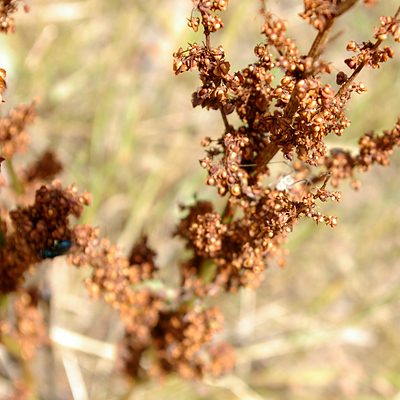
Buckwheat family (Polygonaceae): 4 other plants in this guide
Sources: SDSU Open PRAIRIE: Polygonaceae: Eriogonum flavum (R. Neil Reese); Flora of North America Vol. 5: Eriogonum flavum (Reveal), eFloras; Flora of North America Vol. 5: Eriogonum flavum var. flavum, eFloras; NPS Devils Tower National Monument, Wildflowers (bloom months); NPSpecies checklist, Wind Cave National Park vascular plants; NPSpecies checklist, Devils Tower National Monument vascular plants; USDA PLANTS Database: Eriogonum flavum (ERFL4), profile API; GBIF occurrence search: Eriogonum flavum, South Dakota and Wyoming herbarium specimens; iNaturalist: research-grade Eriogonum flavum observations in the Black Hills; Culturally Important Plants of the Lakota (Black Elk and Flying By, 1998), entry 117 Eriogonum flavum, filed with the South Dakota PUC.