Pink Wintergreen Pyrola asarifolia
Also called Liverleaf Wintergreen, Bog Wintergreen, Pink Pyrola
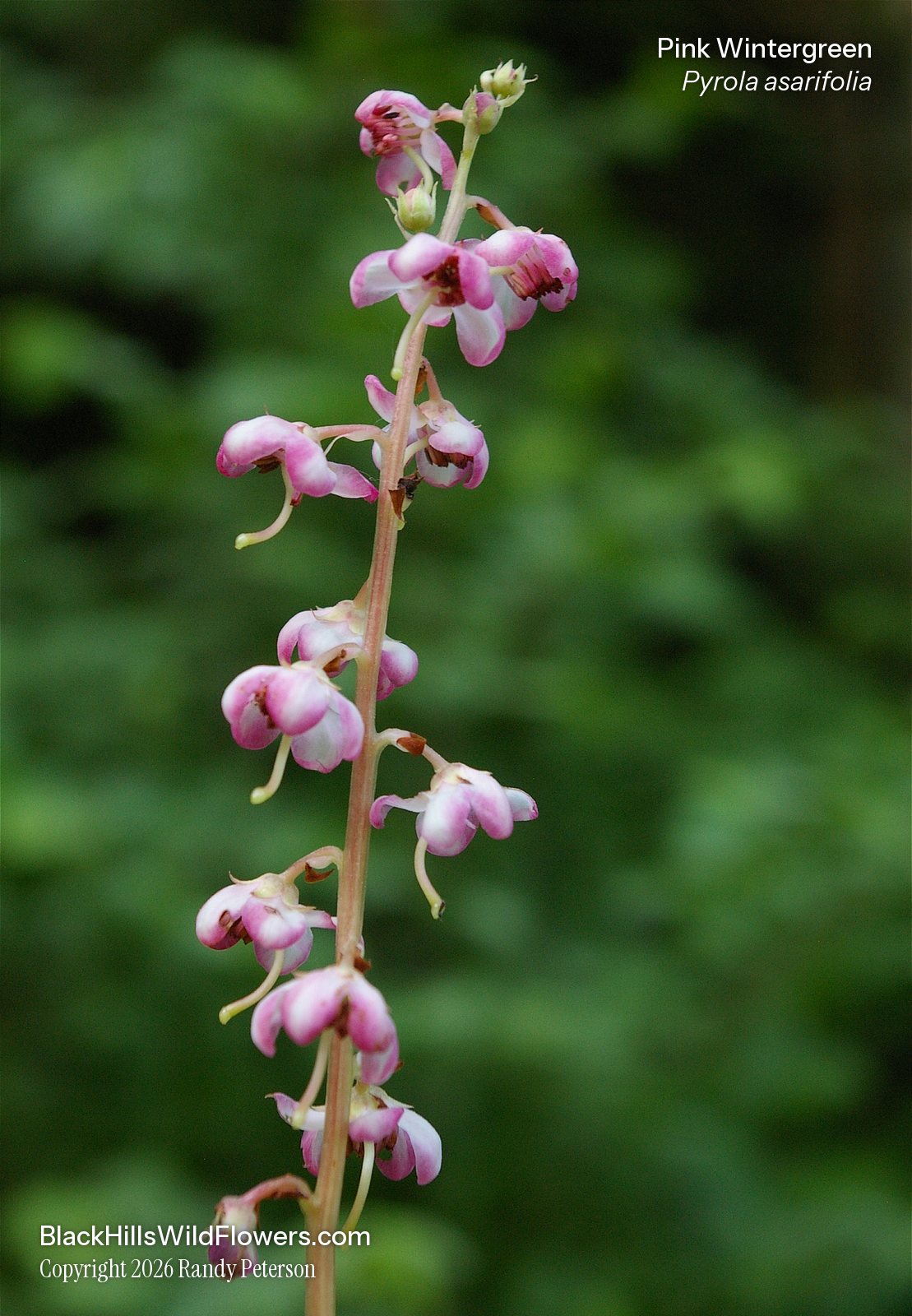
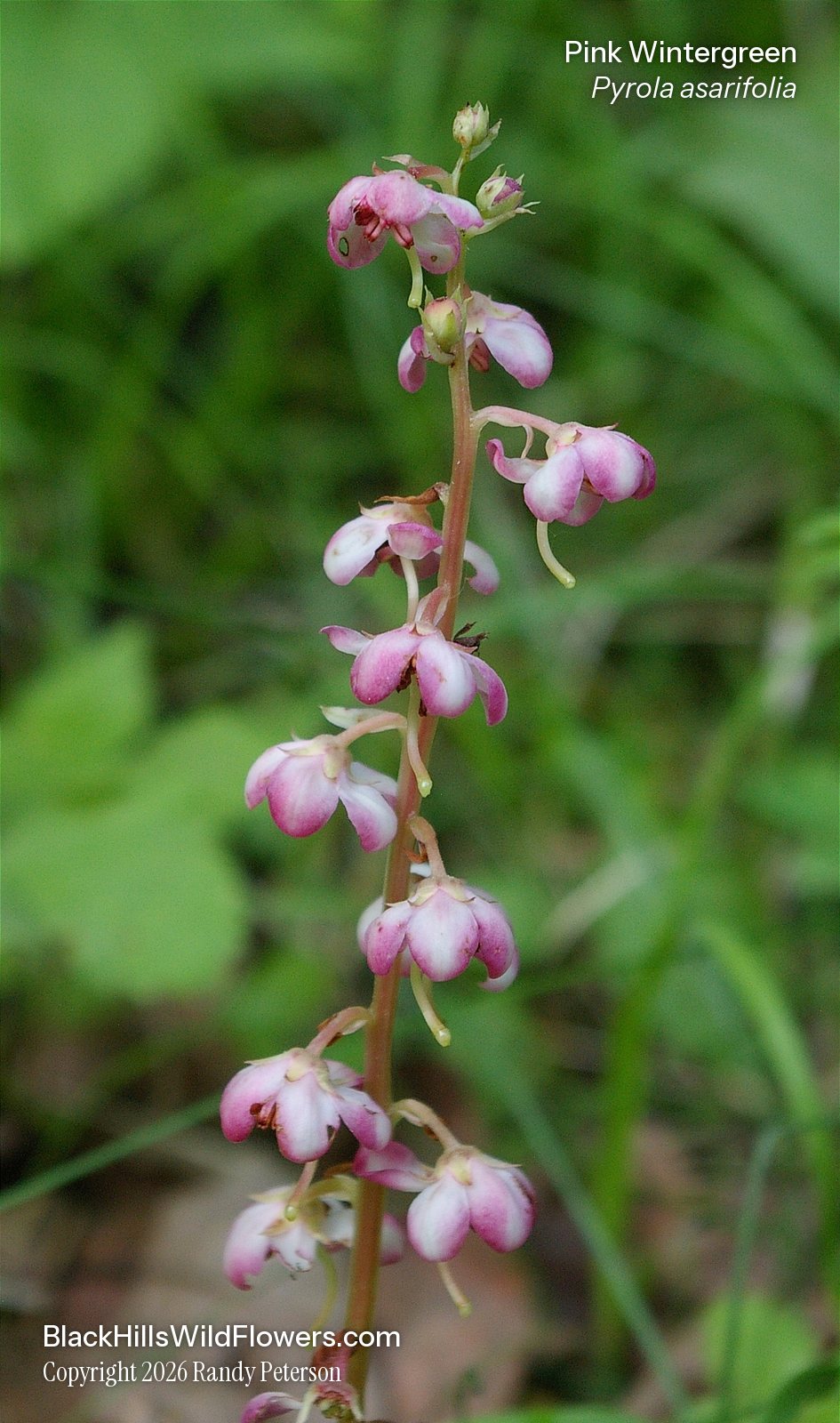
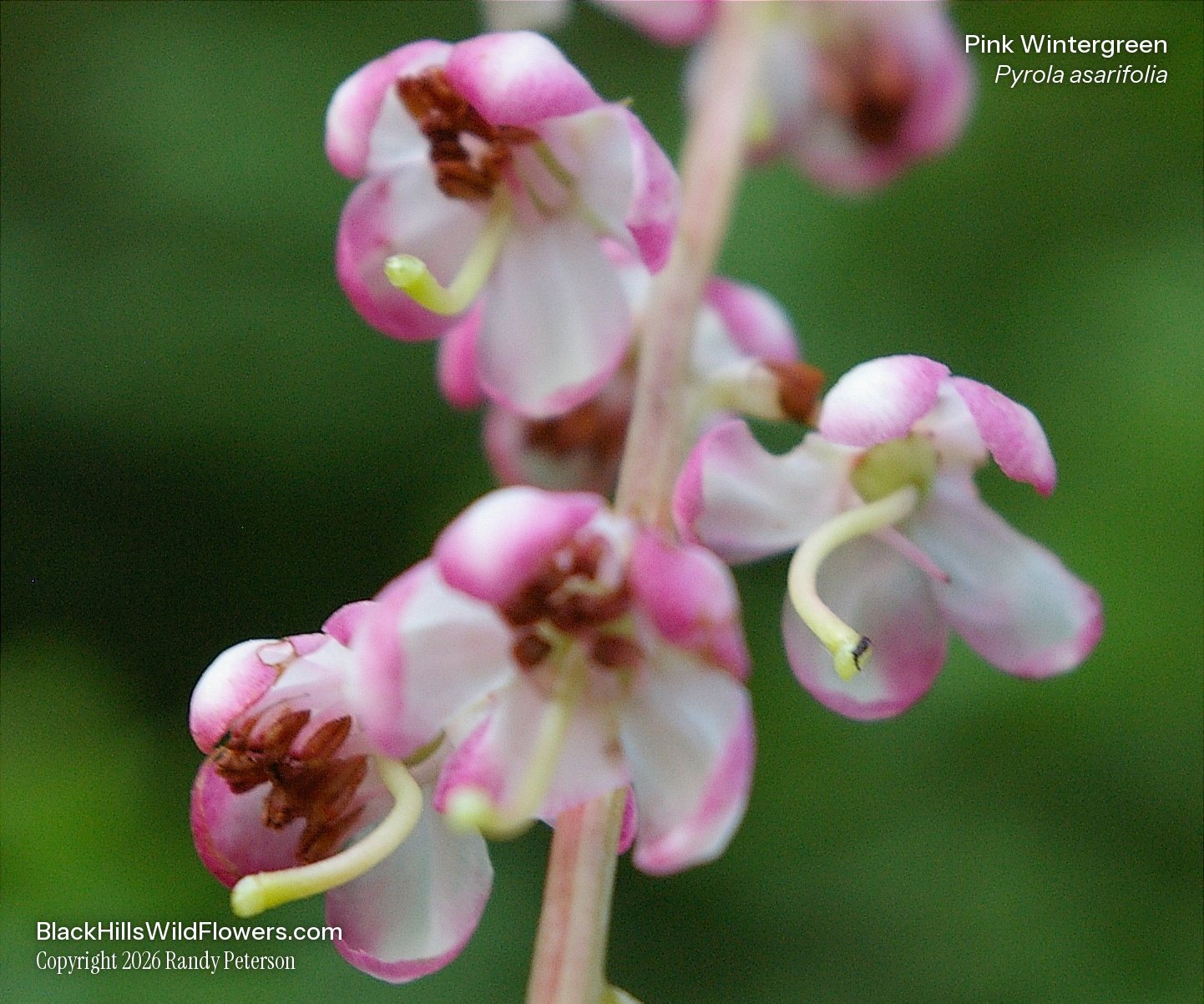
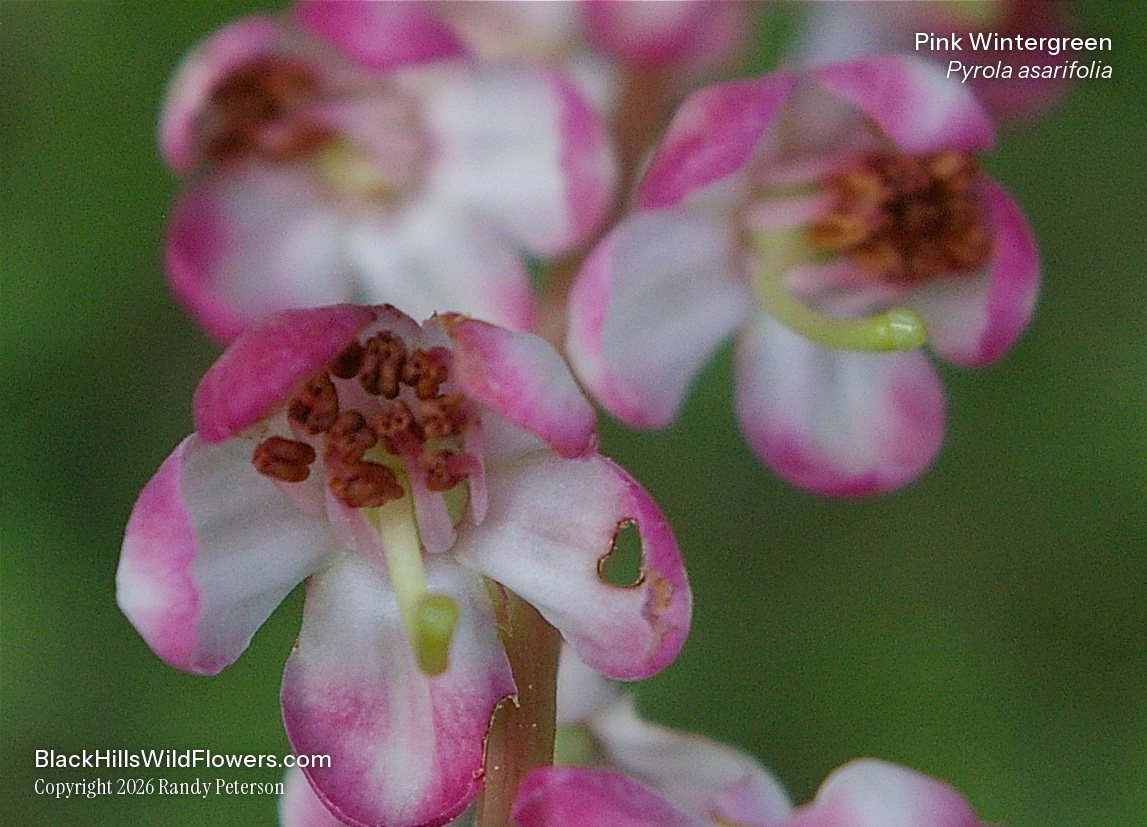
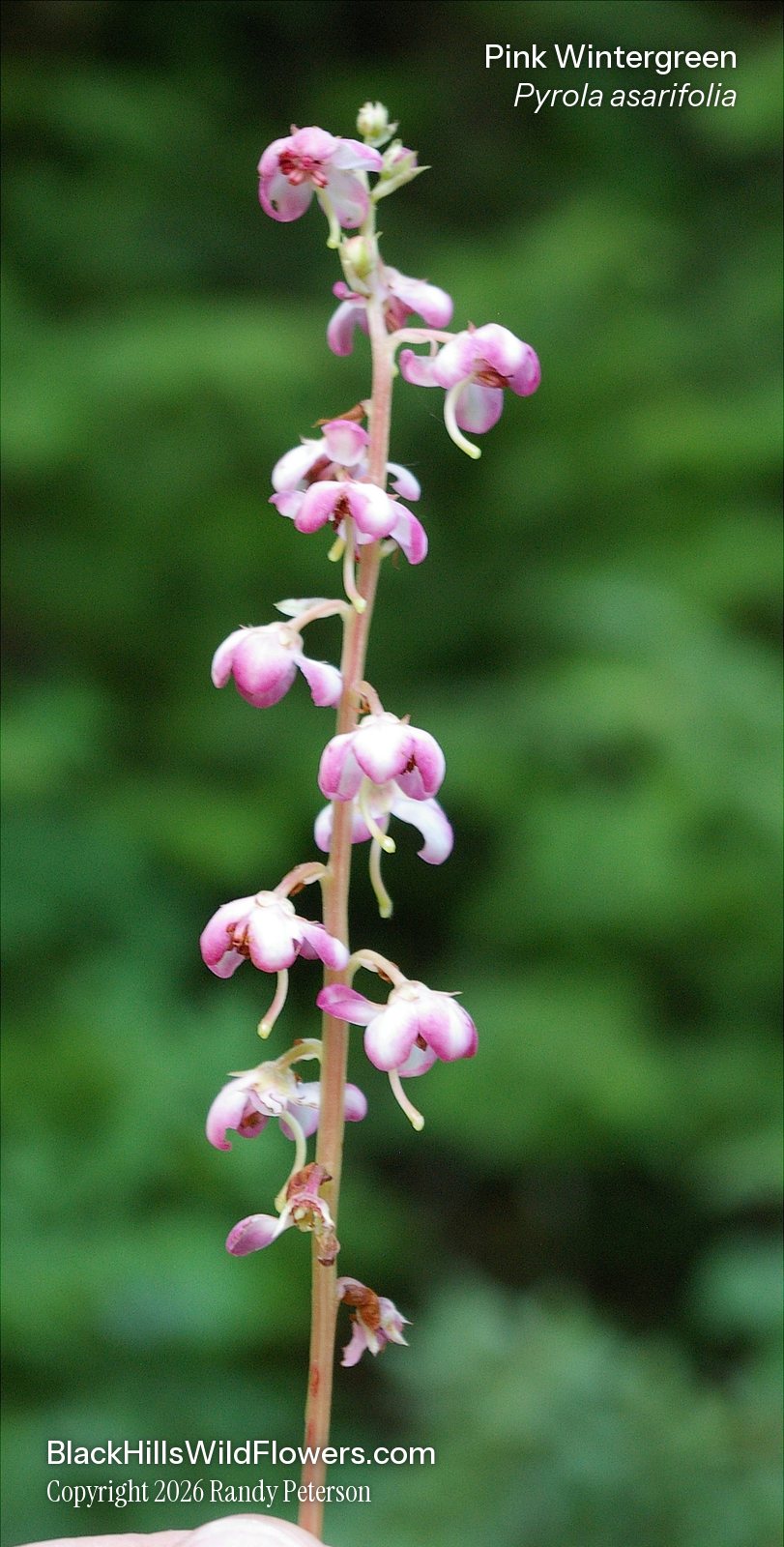
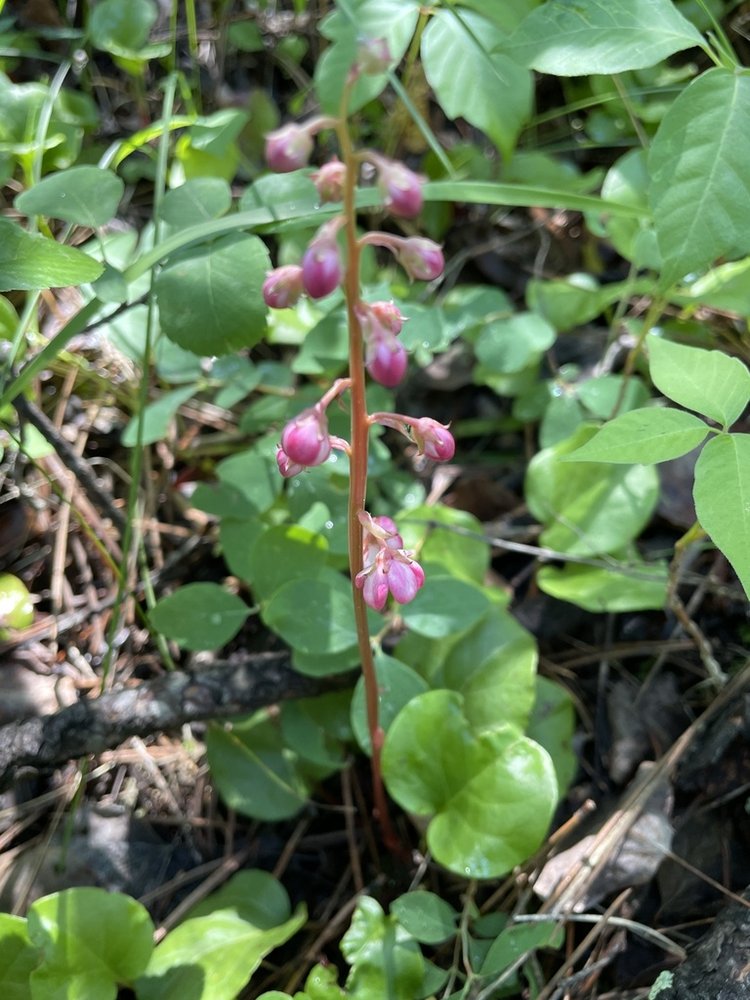
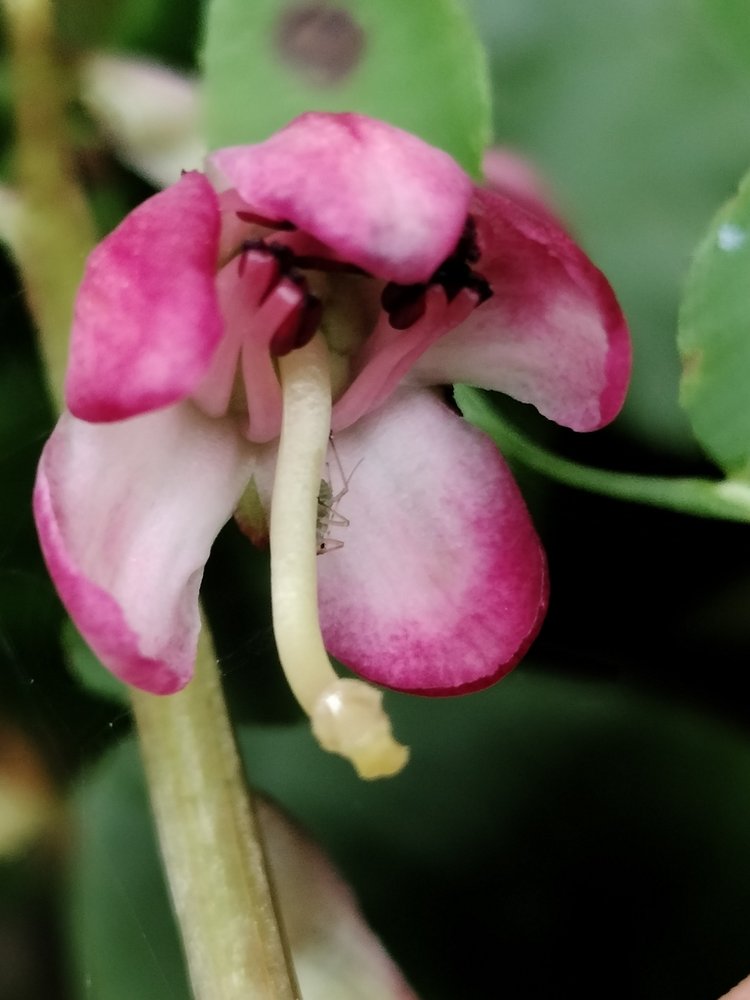
Pink Wintergreen (Pyrola asarifolia) is a low native perennial of moist, shady woods, with a basal cluster of shiny, leathery, round leaves and a slender stalk of nodding pink flowers, each with a long pale style that curves down and out below the petals. It blooms in June and July, and herbarium specimens show it across the Black Hills in Lawrence, Pennington, Custer and Meade counties, South Dakota, and Crook County, Wyoming. Photographed in the Black Hills.
Free photos from other sources
| Family | Ericaceae · Heath |
|---|---|
| Status | Native perennial |
| Blooms | June and July |
| Height | 15–43 cm (6–17 in) |
| Where | Moist, shady woods, stream sides and boggy spruce forest |
| Also called | Liverleaf Wintergreen, Bog Wintergreen, Pink Pyrola |
| Synonym | Pyrola asarifolia var. purpurea, Pyrola californica, Pyrola uliginosa |
| Traditional use | A 1941 U.S. Department of Agriculture study of plant use by tribes in Nevada records the Shoshone taking a root decoction for liver trouble. |
Roots, seeds & germination
Root: Pink wintergreen grows from rhizomes, underground stems that run through the soil.
Seed: The fruit is a flattened, round capsule 4–5 mm long and 6–8 mm wide, split into 5 sections that each hold many seeds.
How do you identify Pink Wintergreen?
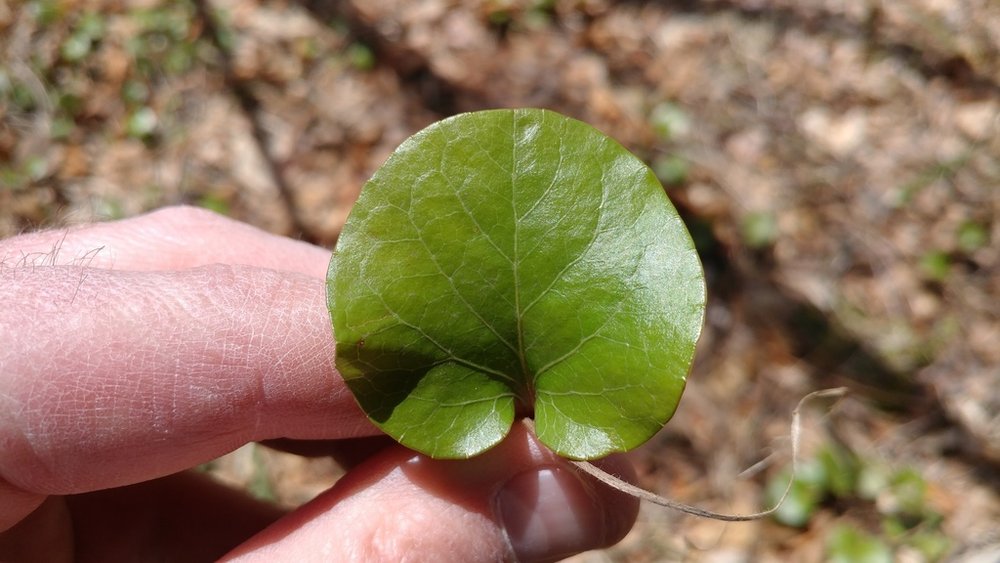
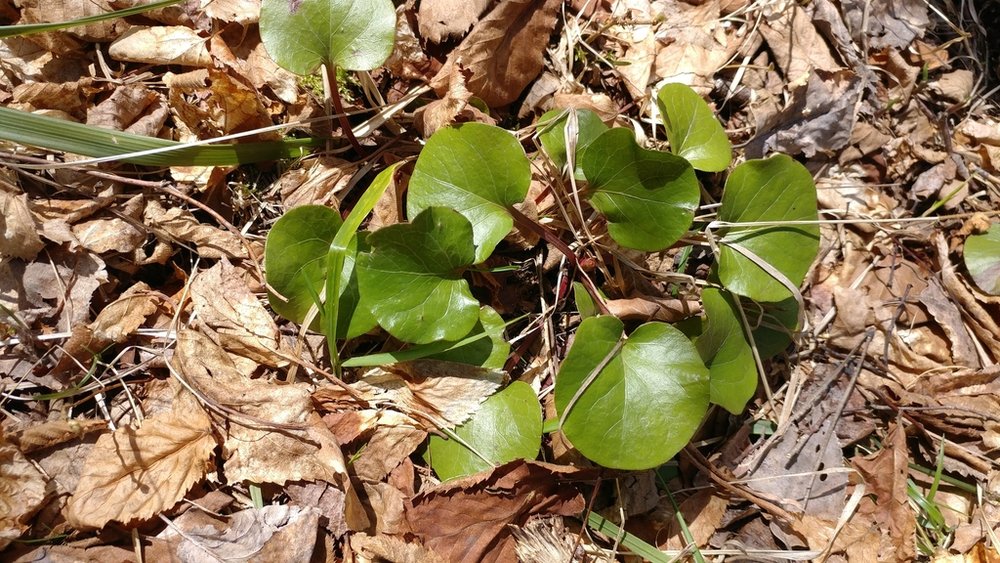
Look for a basal cluster of leathery, round to kidney-shaped leaves 2.5–7 cm (1–3 in) long, plain shiny dark green on top and often on stalks longer than the blade, and a leafless stalk carrying 4 to 29 nodding flowers. Each flower has 5 rounded petals 5–9 mm long, white at the base and pink toward the tips or pink to purplish red all over, dark pink to red anthers tucked under the upper petals, and a pale green style 7–10 mm long that bends down and out below the lower petals. A papery bract sits at the base of each flower stalk, usually as long as the stalk or longer, sometimes shorter. In the Flora of North America key, the other wintergreens recorded in the Black Hills differ in their petals or leaves: green-flowered wintergreen (Pyrola chlorantha) has greenish-white to yellowish-white petals, shinleaf (Pyrola elliptica) white to greenish-white petals, and white-veined wintergreen (Pyrola picta), which is on South Dakota's rare plant list, usually has white tissue along the larger leaf veins, while pink wintergreen's leaves are plain green. In the same key, all three usually have flower bracts shorter than their stalks.
When does it bloom?
June and July.
Where does it grow?
Moist, shady woods. Black Hills herbarium labels describe moist humus under pines, shady woods in rich soil, boggy spruce woods, moss along a spring-fed brook, stream sides under paper birch and beaked hazelnut, and shady north-facing slopes with aspen and white spruce, at about 1,080 to 1,980 m (3,540 to 6,480 ft). GBIF lists 84 specimens from 1891 to 2013 from Lawrence, Pennington, Custer and Meade counties in South Dakota and Crook County in Wyoming, and the National Park Service lists it at Mount Rushmore.
Other wintergreens and shinleaves in this guide
Heath family (Ericaceae): 5 other plants in this guide
Sources: Flora of North America Vol. 8: Pyrola asarifolia (C. C. Freeman), eFloras; Flora of North America Vol. 8: Pyrola asarifolia subsp. asarifolia, eFloras; Flora of North America Vol. 8: genus Pyrola, with key to species, eFloras; Flora of North America Vol. 8: Pyrola picta, eFloras; Flora of North America Vol. 8: Pyrola chlorantha, eFloras; Minnesota Wildflowers: Pyrola asarifolia (Pink Pyrola); USDA PLANTS Database: Pyrola asarifolia (PYAS); NPSpecies checklist, Mount Rushmore National Memorial vascular plants; NPSpecies checklist, Wind Cave National Park vascular plants (lists P. chlorantha and P. elliptica); GBIF occurrence search: Pyrola asarifolia, South Dakota and Wyoming herbarium specimens; GBIF specimen 2512287287: McIntosh 1924, Meade County, "several in moist humus under pines"; GBIF specimen 3454978507: Taylor 1953, Lawrence County, "boggy spruce woods"; GBIF specimen 2512284920: Elliott 2010, Lawrence County, shady riparian corridor with paper birch and beaked hazelnut; GBIF specimen 4061107663: van Ee 2011, Crook County, Wyoming, 1,976 m; Rare Plants of South Dakota (South Dakota Natural Heritage Program, SD Game, Fish and Parks); Native American Ethnobotany Database (BRIT): Pyrola asarifolia.