Prickly Currant Ribes lacustre
Also called Bristly Black Currant, Black Swamp Gooseberry, Swamp Black Currant
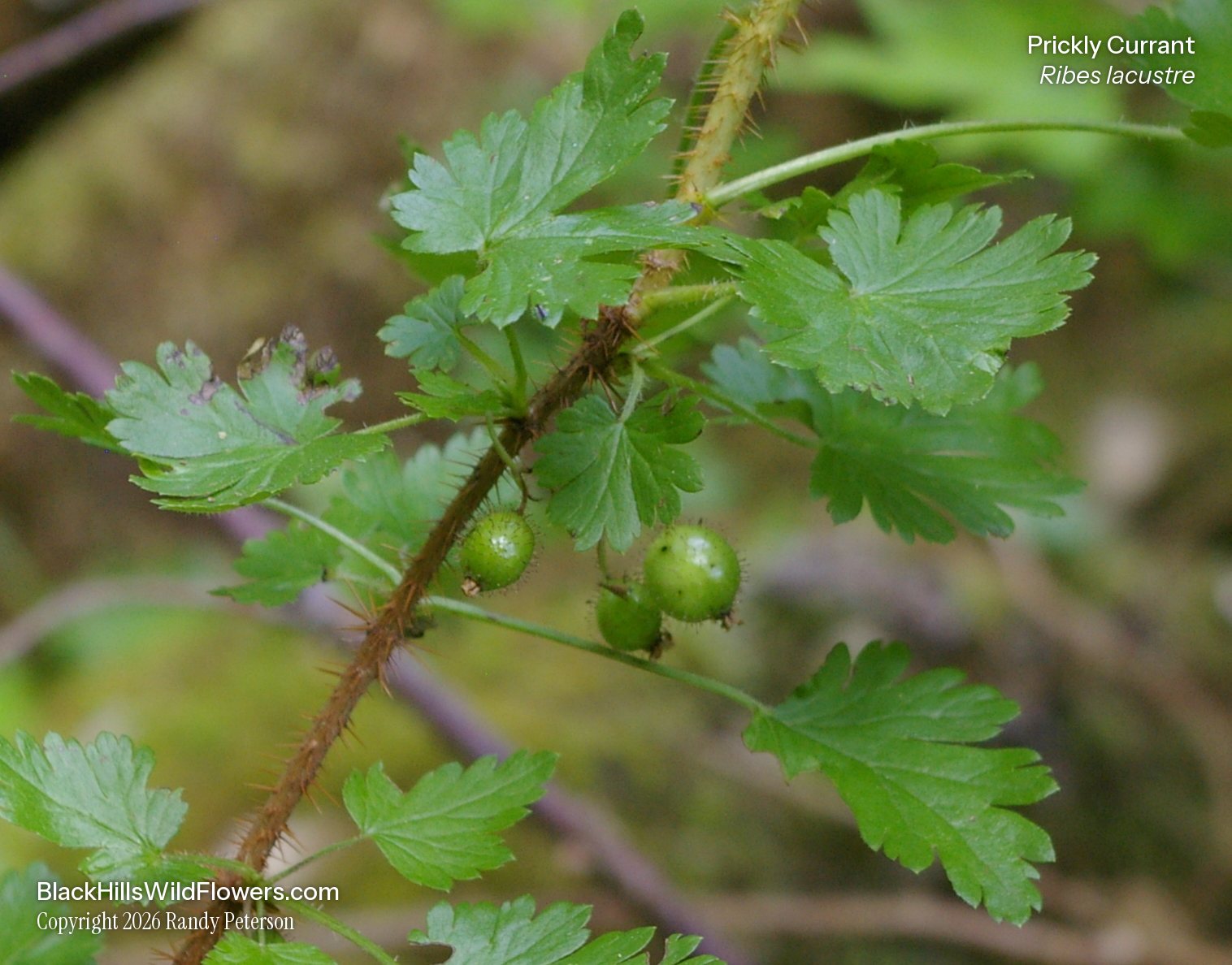
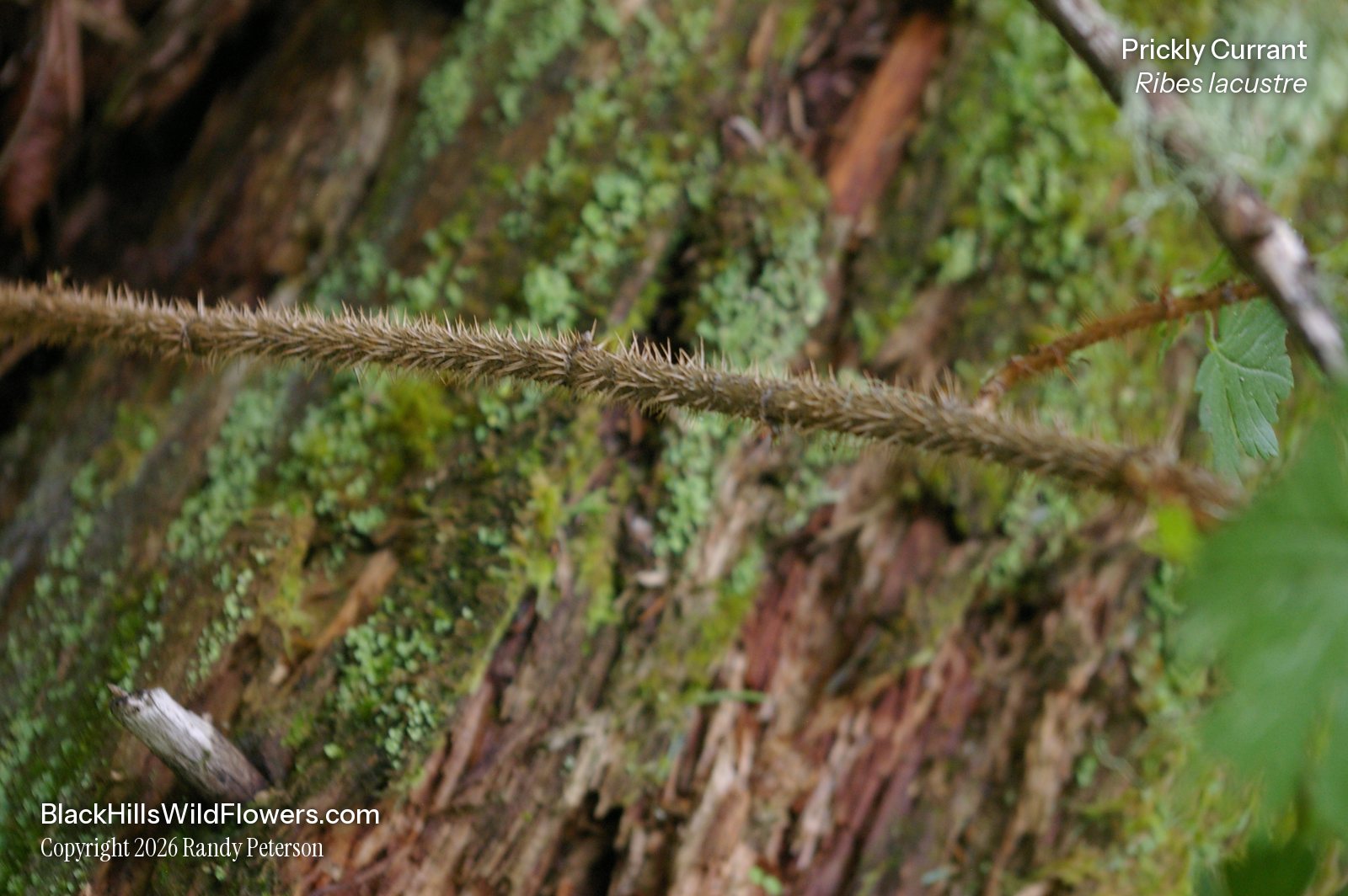
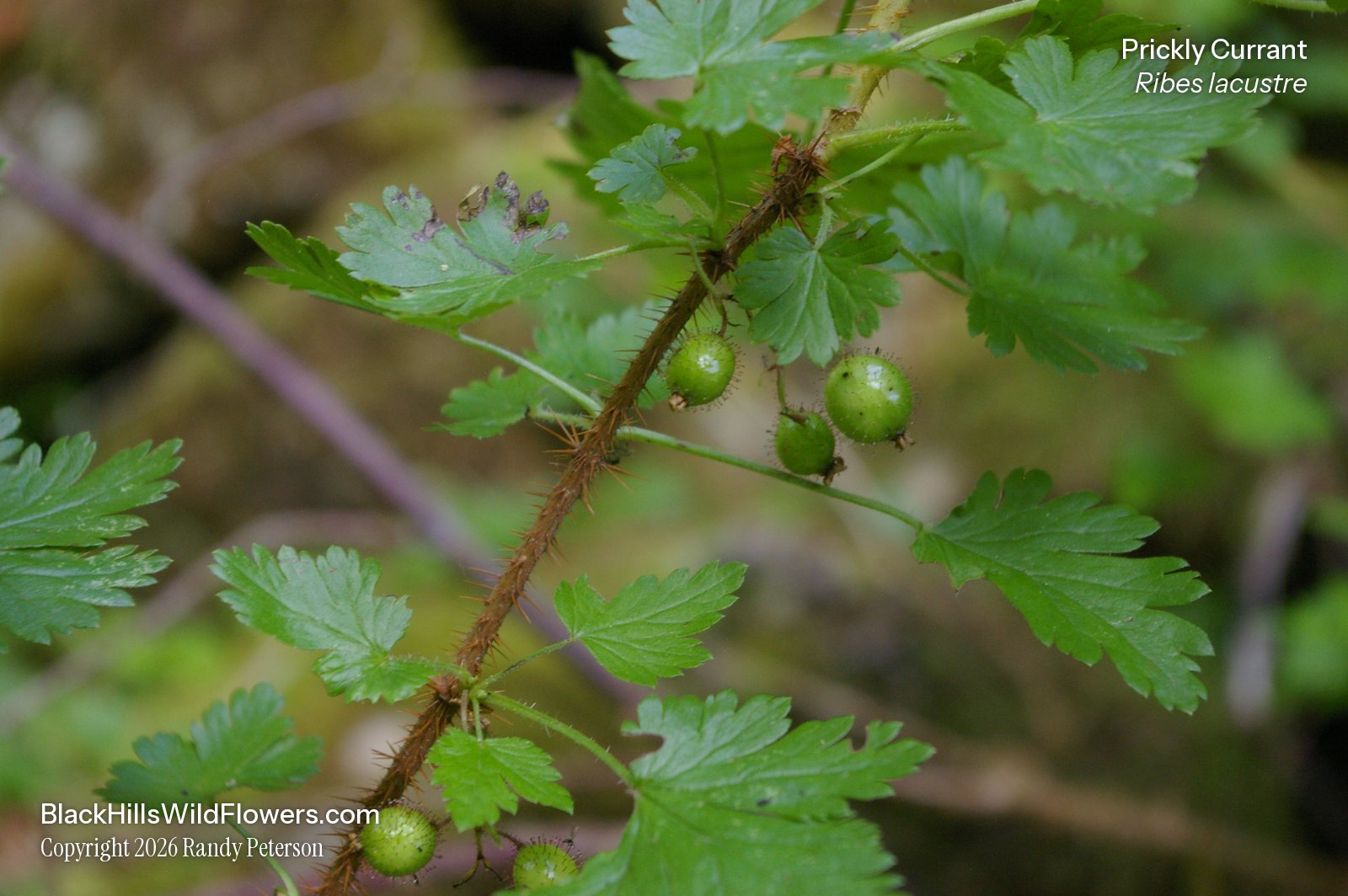
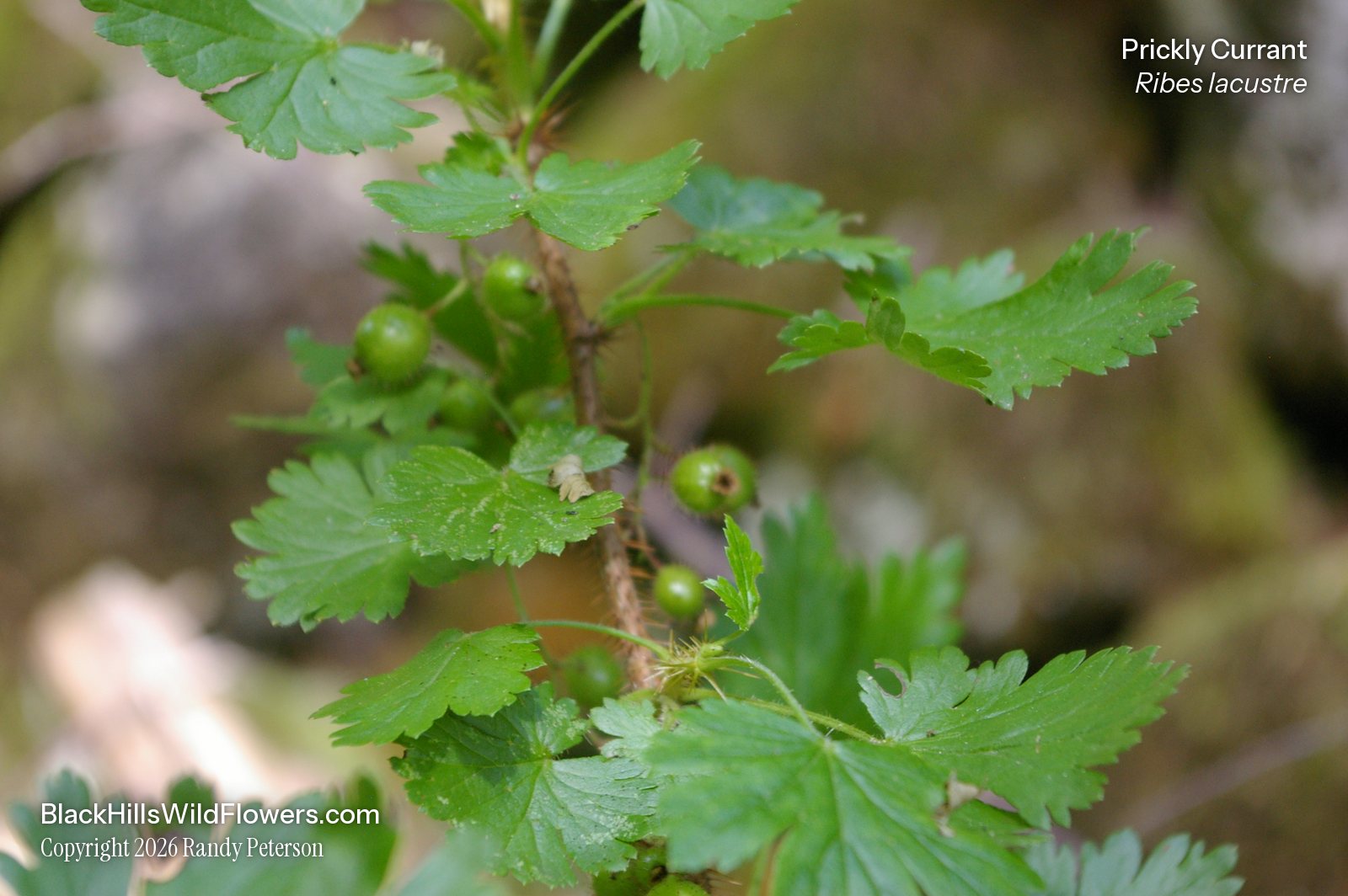
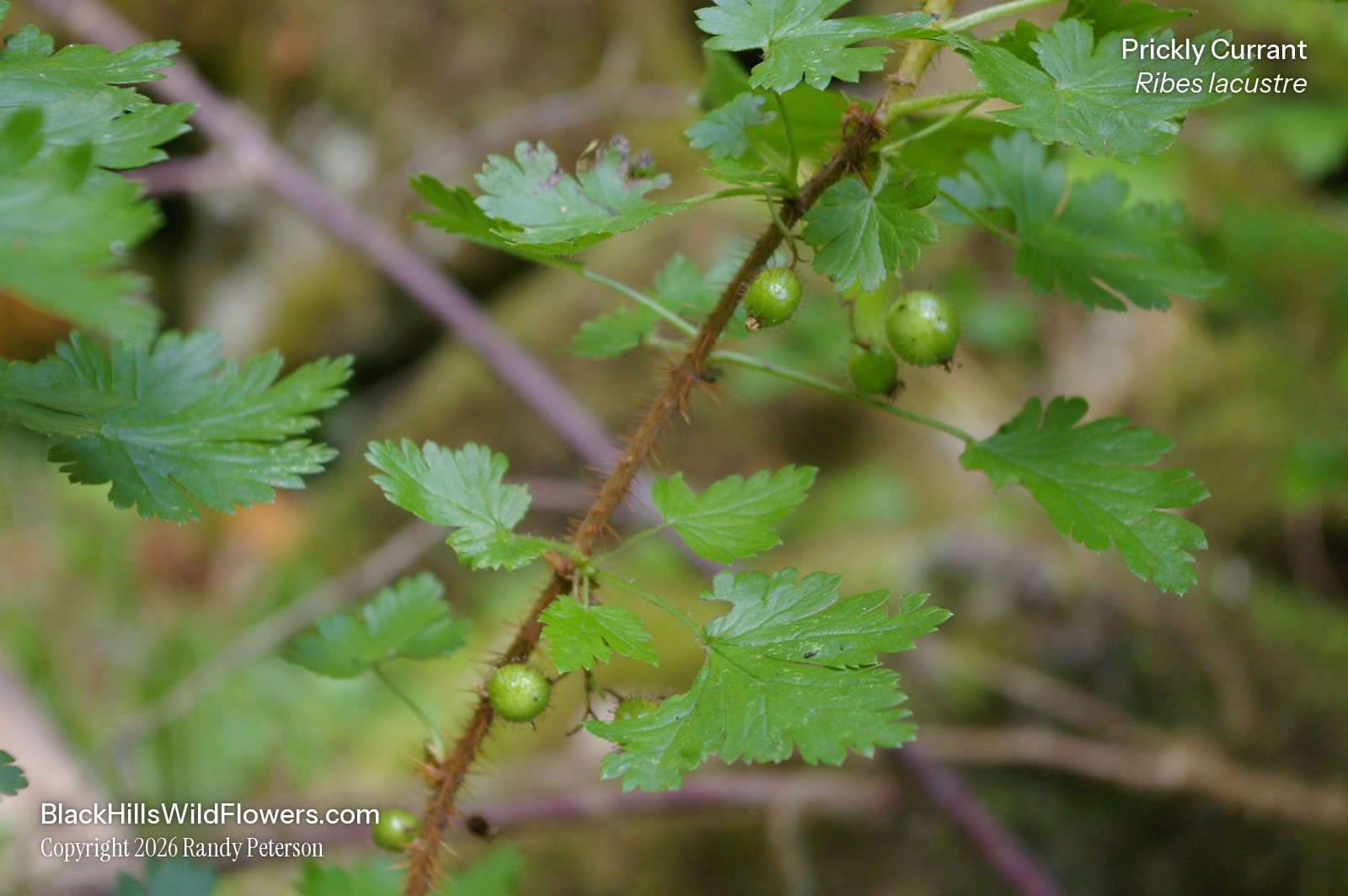
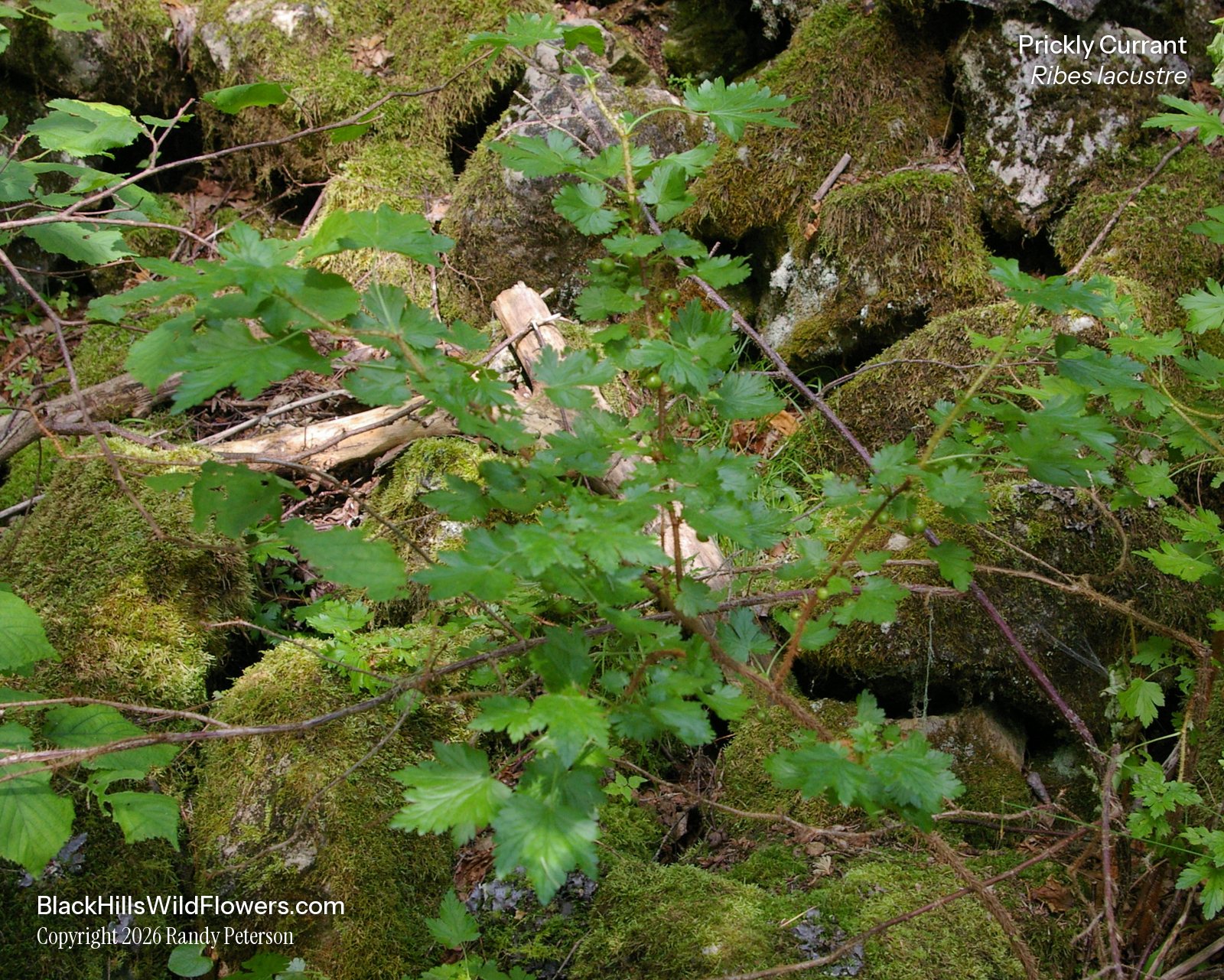
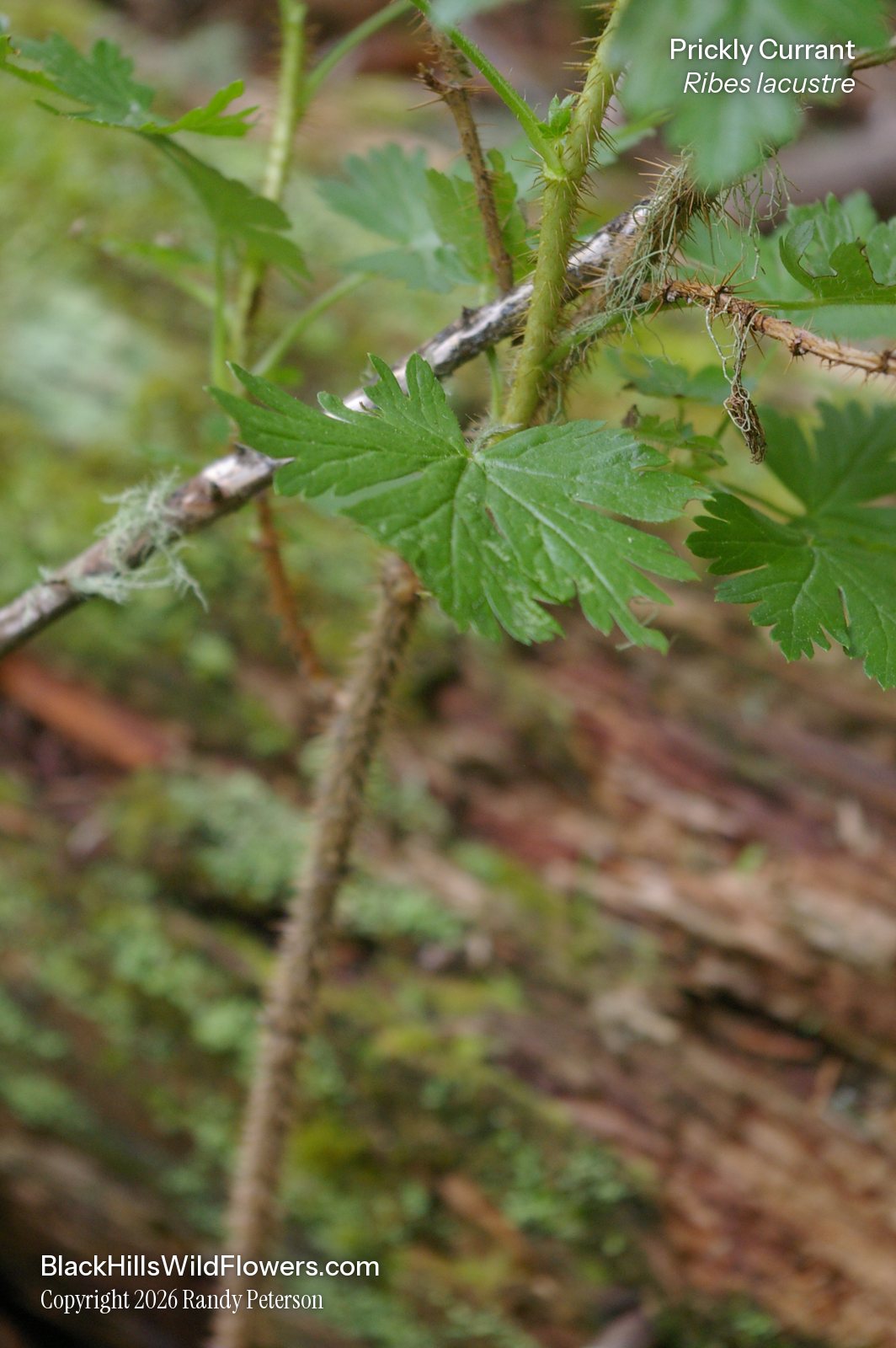
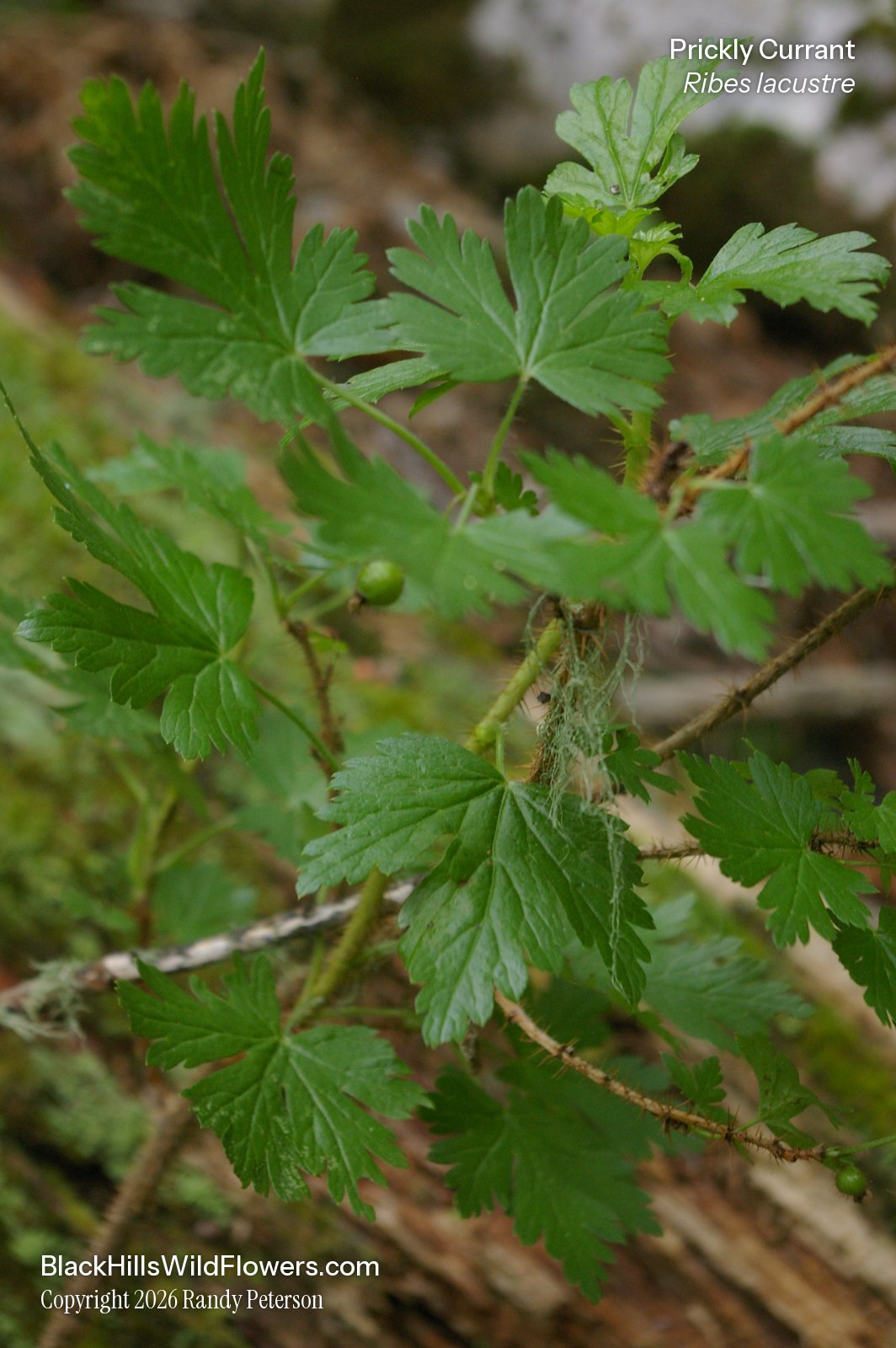
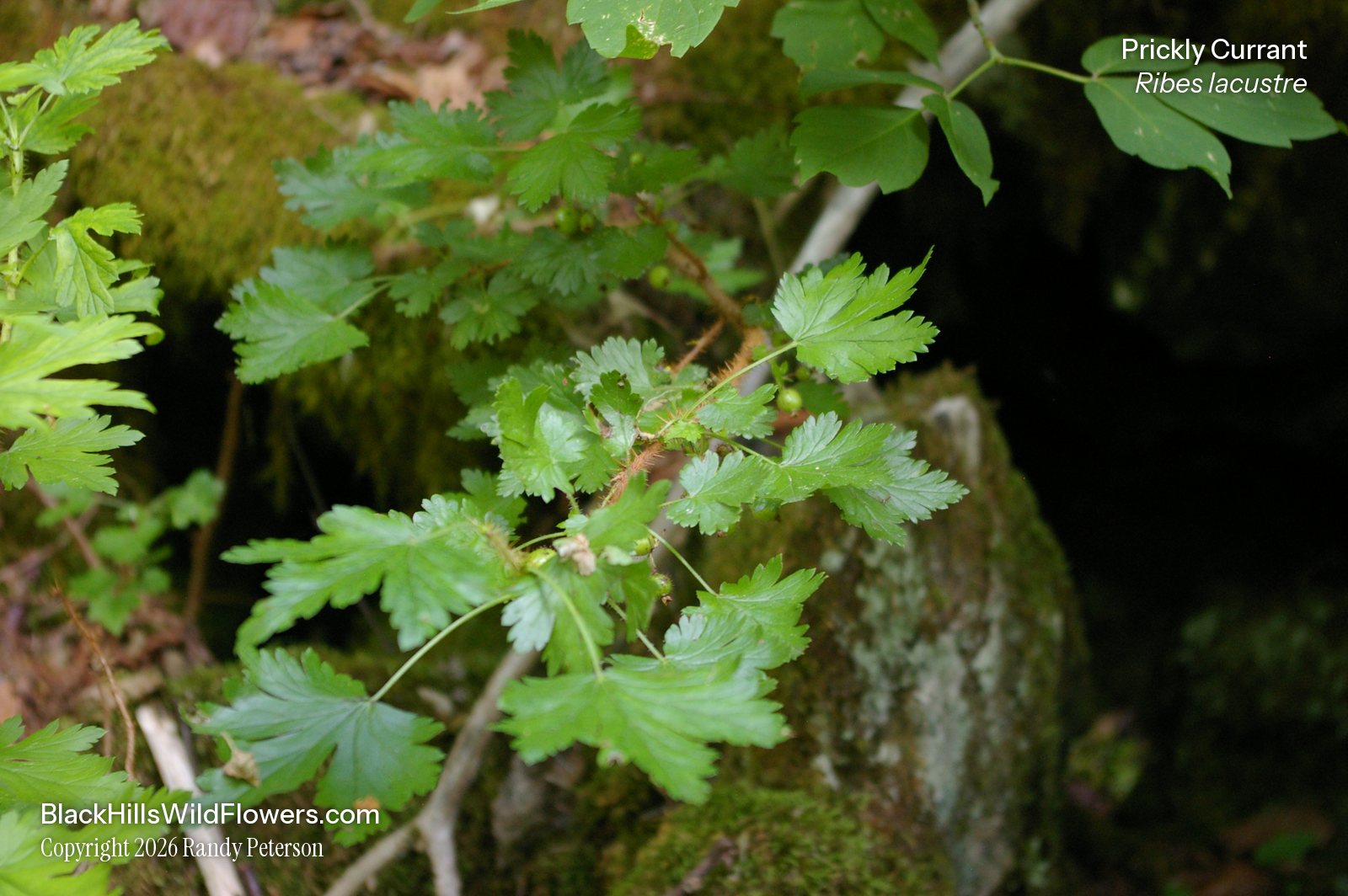
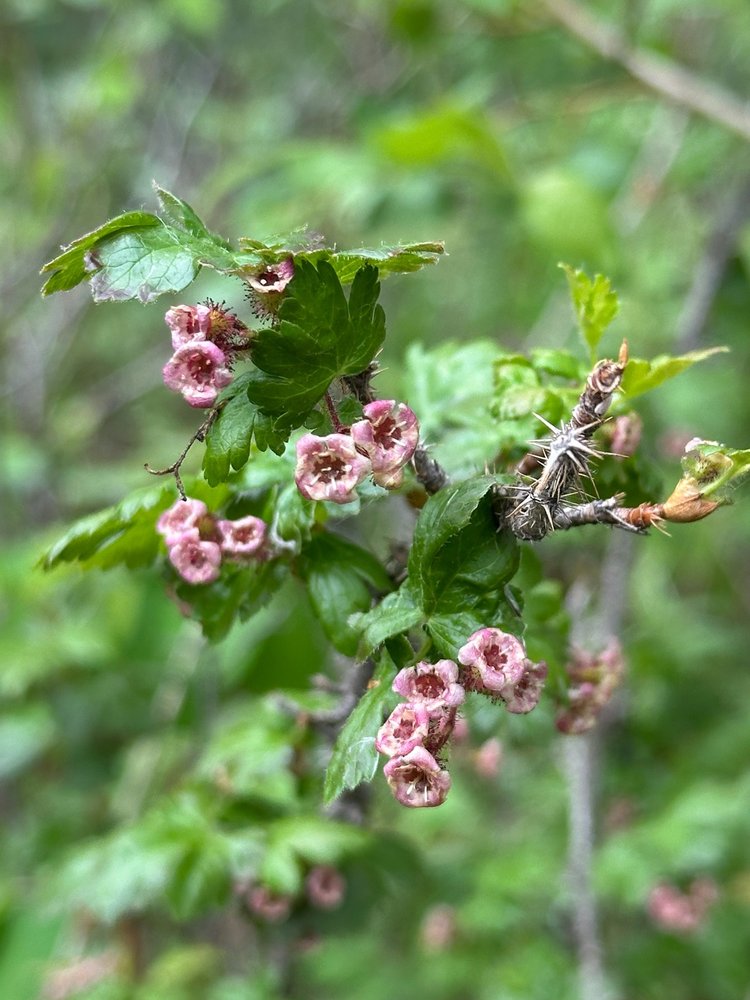
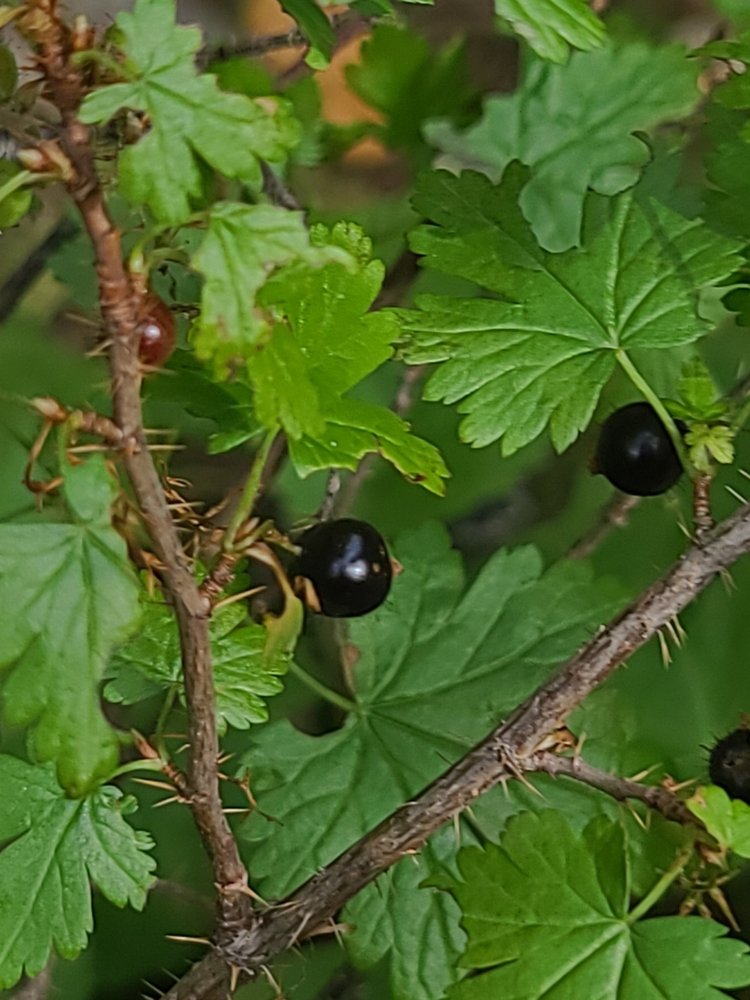
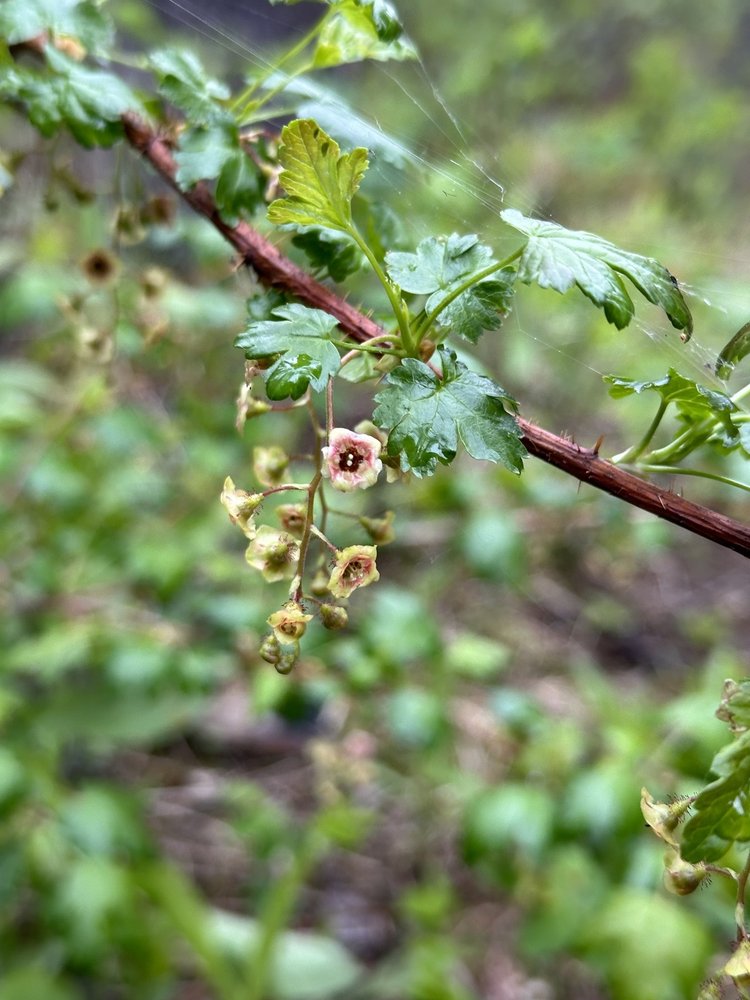
Prickly Currant (Ribes lacustre), also called Bristly Black Currant, is a native shrub 1–1.5 m (3–5 ft) tall with bristly stems, deeply lobed leaves, drooping clusters of small greenish, pink or maroon flowers from May into July and berries covered in bristles that ripen from green to purple-black. SDSU describes it as confined almost entirely to the cool, moist, high-elevation parts of the Black Hills, and herbarium specimens come from Lawrence, Pennington and Custer counties in South Dakota. Photographed in the Black Hills.
Free photos from other sources
| Family | Grossulariaceae · Gooseberry |
|---|---|
| Status | Native shrub |
| Blooms | May into July |
| Height | 1–1.5 m (3–5 ft) |
| Where | Cool, moist, shaded places: streamsides, wet ravines, boggy woods and talus slopes |
| Also called | Bristly Black Currant, Black Swamp Gooseberry, Swamp Black Currant |
| Synonym | Ribes oxyacanthoides var. lacustre, Limnobotrya lacustris, Ribes lacustre var. parvulum |
| Traditional use | Moerman's ethnobotany database (BRIT) records that the Cheyenne ate the berries fresh and dried them for later use (Grinnell 1972) and that the Coast Salish of Vancouver Island used the stiff thorns as tools, including for removing splinters and for tattooing (Turner and Bell 1971). |
Roots, seeds & germination
Root: A shallow, fibrous, spreading root system (SDSU Open PRAIRIE).
Seed: The berries ripen from late July through September (SDSU Open PRAIRIE).
Germination: SDSU Open PRAIRIE says the seeds have deep embryo dormancy and need about 90 days of cold, moist stratification at 0–5 °C (32–41 °F), and recommends sowing in fall.
How do you identify Prickly Currant?
Look for a shrub 1–1.5 m (3–5 ft) tall whose stems are covered in slender prickles, with clusters of larger spines at the nodes, the points where the leaves come out (SDSU). The leaves are 2.5–7.5 cm (1–3 in) across with 3 to 5 deep lobes, deep shiny green on top, with stalked sticky glands along the veins underneath (SDSU). The flowers hang in drooping clusters (racemes) of 7 to 15 small saucer-shaped flowers, greenish yellow, pinkish or dark maroon-red (SDSU); Minnesota Wildflowers counts 4 to 18. The berries are 6–10 mm (¼–⅜ in) across, green at first and dark purple to black when ripe, and densely covered in stiff, gland-tipped bristles (SDSU; Minnesota Wildflowers). Minnesota Wildflowers says the very prickly stem together with glandular-hairy flowers and fruit makes it easy to tell. The guide's Northern Gooseberry (Ribes oxyacanthoides) also has prickly stems, with 1 to 4 stout spines at each node, but its nodding flowers come 1 to 3 together, sometimes 4 (SDSU); Minnesota Wildflowers says it has fewer flowers per cluster, no gland-tipped hairs on its fruit and hairier leaves, and calls its berry smooth. The Wind Cave and Devils Tower plant lists also name its subspecies setosum (once Ribes setosum), and Britton and Brown's 1913 flora says that plant's fruit is often smooth but can be sparingly bristly. A prickly stem alone doesn't separate them, since young Northern Gooseberry stems are also covered in prickles (SDSU), and the Forest Service's Black Hills forest survey says some Prickly Currant plants looked like Northern Gooseberry. So look at the flower cluster: Minnesota Wildflowers says gooseberries have only 1 to 4 flowers in a cluster, and this plant more than 4.
When does it bloom?
May into July.
Where does it grow?
Cool, moist, shaded places: SDSU lists mountain streamsides, wet ravines, boggy woodlands and talus slopes, and says the plant is confined almost entirely to cool, moist microclimates in the high-elevation Black Hills. GBIF lists 50 preserved specimens from South Dakota, collected from 1892 to 2010; those with a county are from Lawrence (33), Custer (8) and Pennington (5) counties. Their labels give spruce forest, birch and ironwood stream bottoms, mossy openings, wet rocky woods, creek banks and a gulch below a lake. Four more, from 1984 to 2010, come from Crook County, Wyoming. None of the plant lists for Wind Cave, Jewel Cave, Mount Rushmore or Devils Tower names it. It isn't on South Dakota's rare plant list, and the Black Hills National Forest's at-risk species assessment doesn't name it.
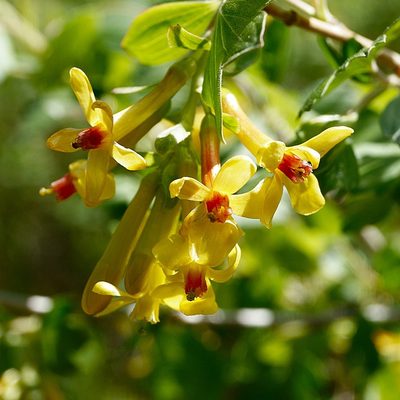
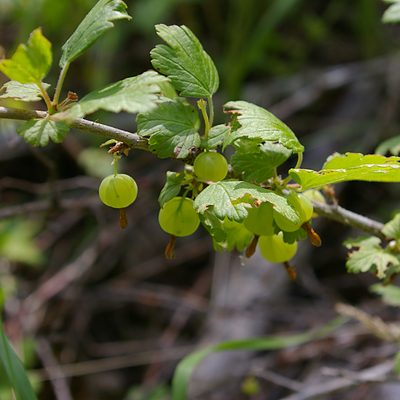
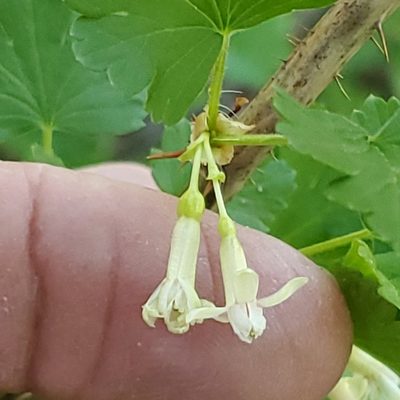
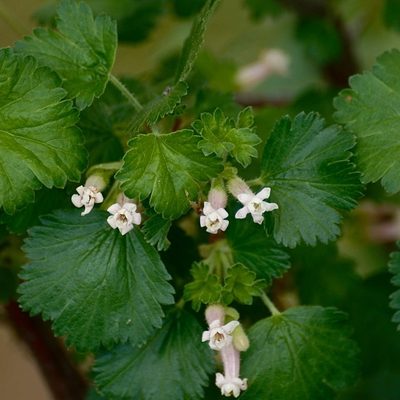
Other currants and gooseberries in this guide
Sources: SDSU Open PRAIRIE: Ribes lacustre (R. Neil Reese); SDSU Open PRAIRIE: Ribes oxyacanthoides; Minnesota Wildflowers: Swamp Black Currant (Ribes lacustre); Minnesota Wildflowers: Northern Gooseberry (Ribes oxyacanthoides); Native Plant Trust, Go Botany: Ribes lacustre; Lady Bird Johnson Wildflower Center: Ribes lacustre (Prickly Currant); USDA PLANTS Database: Ribes lacustre (RILA), native in Alaska, Canada and the lower 48; ITIS: Ribes lacustre (TSN 24476), accepted name, synonyms and common names; Britton and Brown 1913, An Illustrated Flora of the Northern United States, vol. 2: Ribes lacustre p. 236, Grossularia setosa (Ribes setosum) p. 240 (Internet Archive scan); Forest Service RM-276: Forest Vegetation of the Black Hills National Forest, A Habitat Type Classification (PDF page 10, note on Ribes identification); GBIF occurrence search: Ribes lacustre, preserved specimens, South Dakota (50); GBIF occurrence search: Ribes lacustre, preserved specimens, Wyoming (4 from Crook County); NPSpecies checklist, Wind Cave National Park (vascular plants); NPSpecies checklist, Jewel Cave National Monument (vascular plants); NPSpecies checklist, Mount Rushmore National Memorial (vascular plants); NPSpecies checklist, Devils Tower National Monument (vascular plants); Native American Ethnobotany Database (BRIT): Ribes lacustre; South Dakota Game, Fish and Parks: Rare Plants of South Dakota; Black Hills National Forest Revised Forest Assessment: At-Risk Species (October 2023).