Beaked Spikerush Eleocharis rostellata
Also called Beaked Spike-rush, Walking Sedge
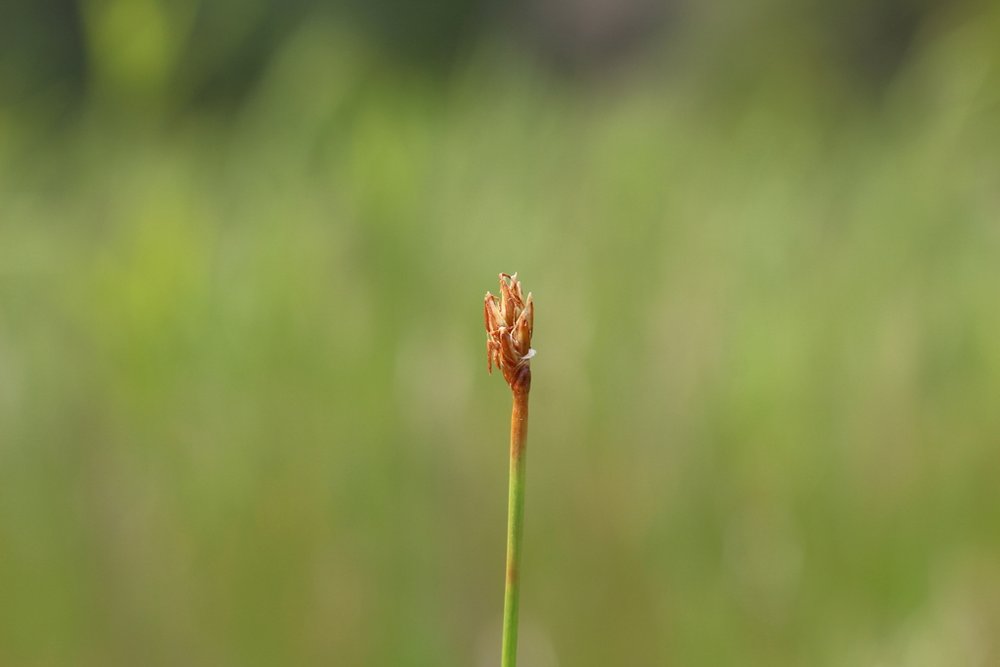
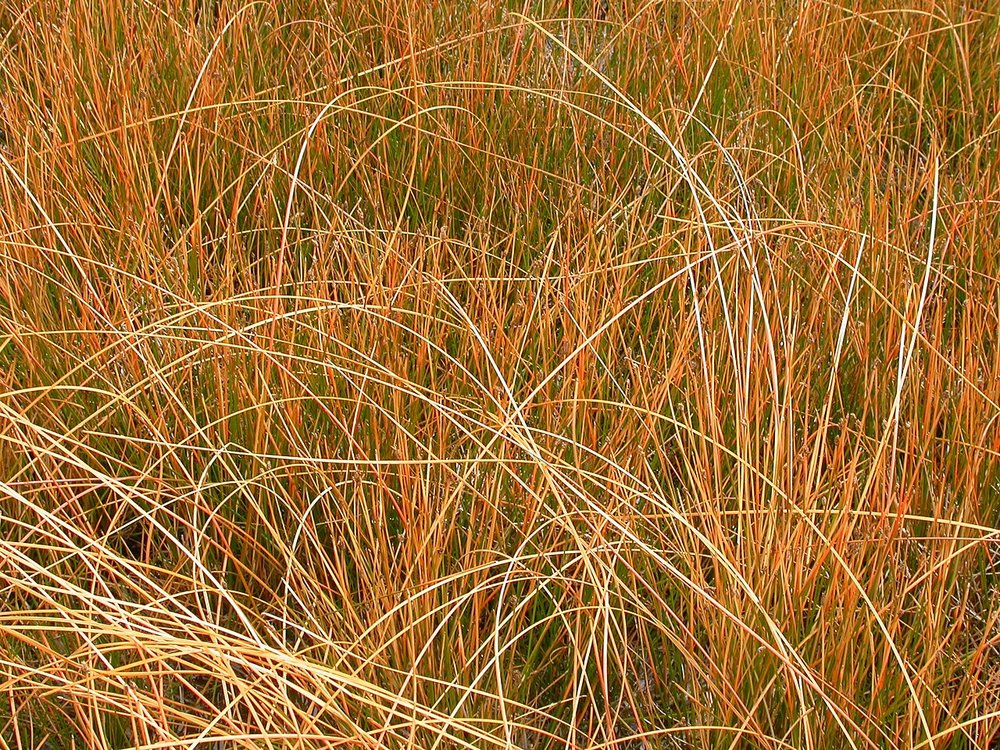
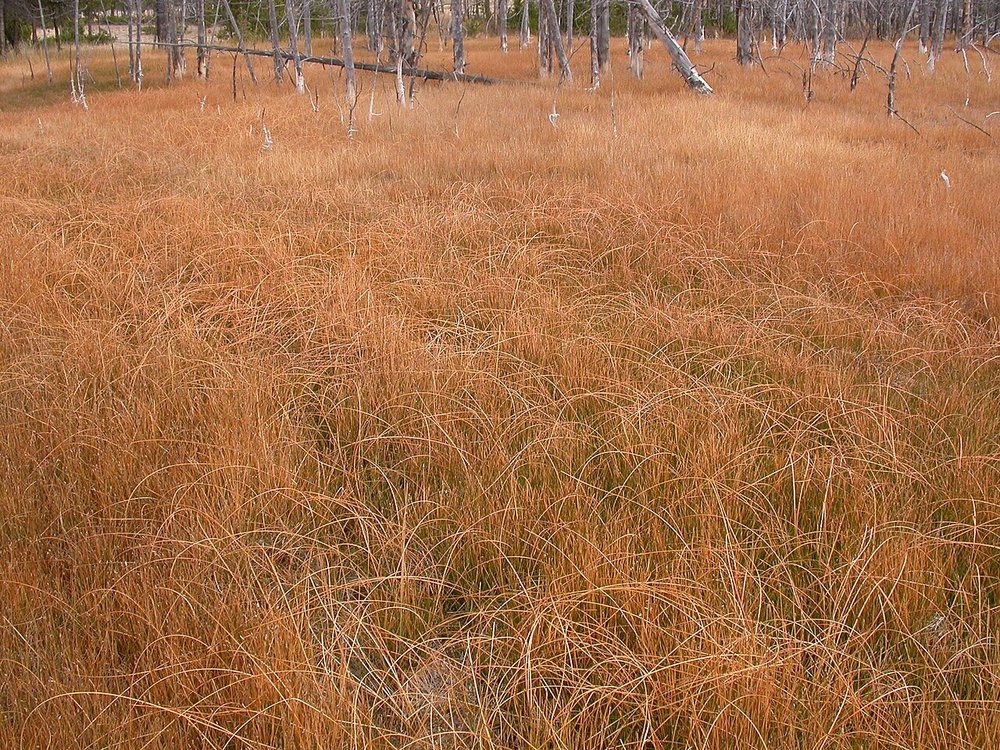
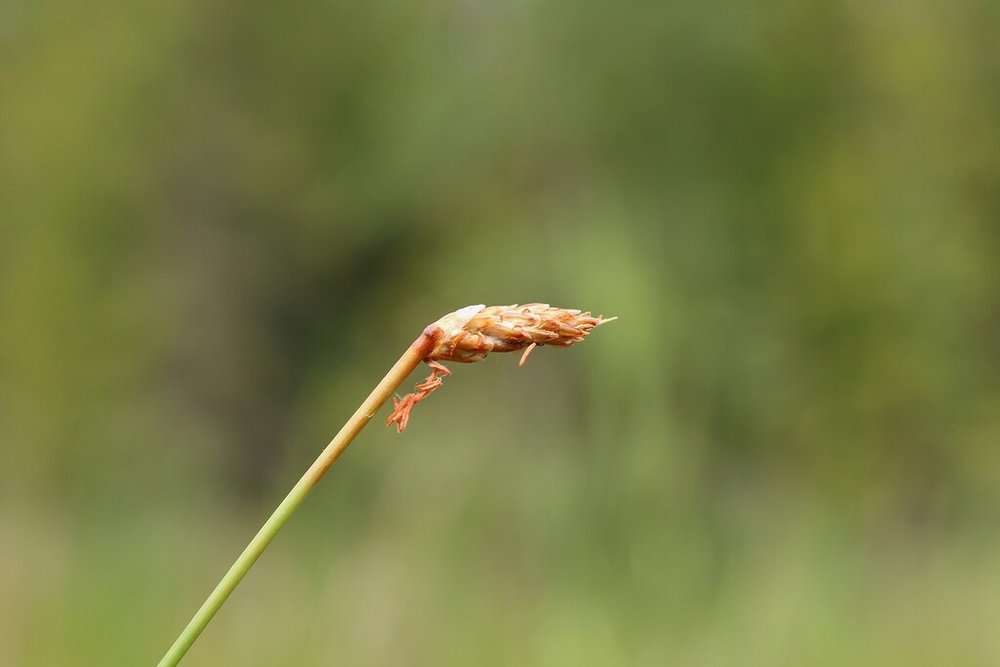
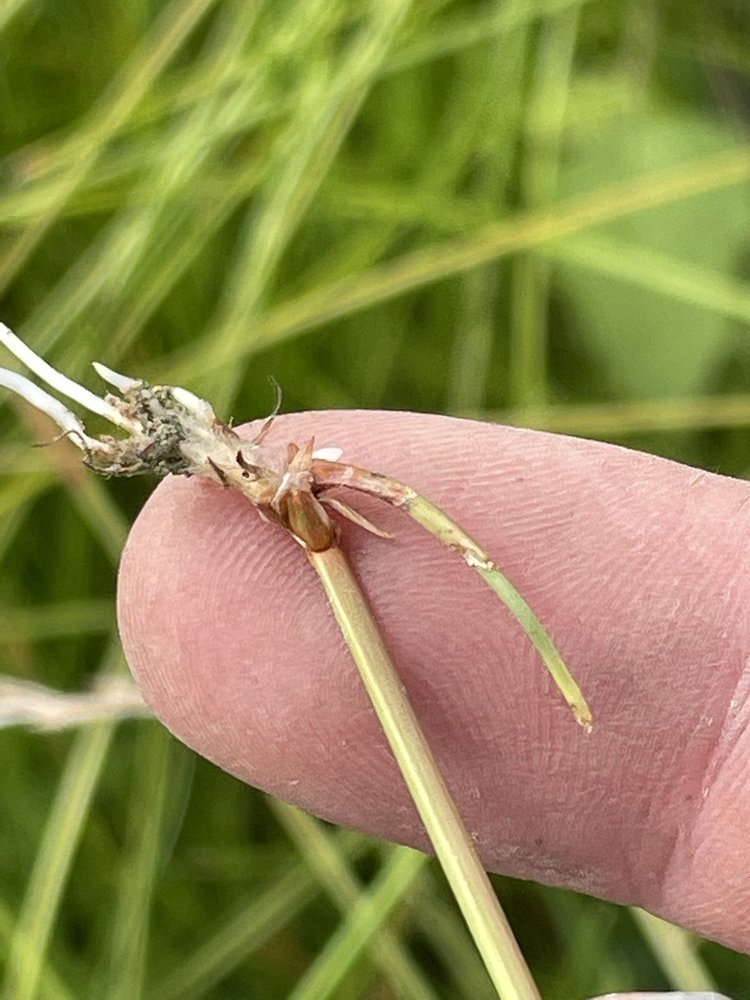
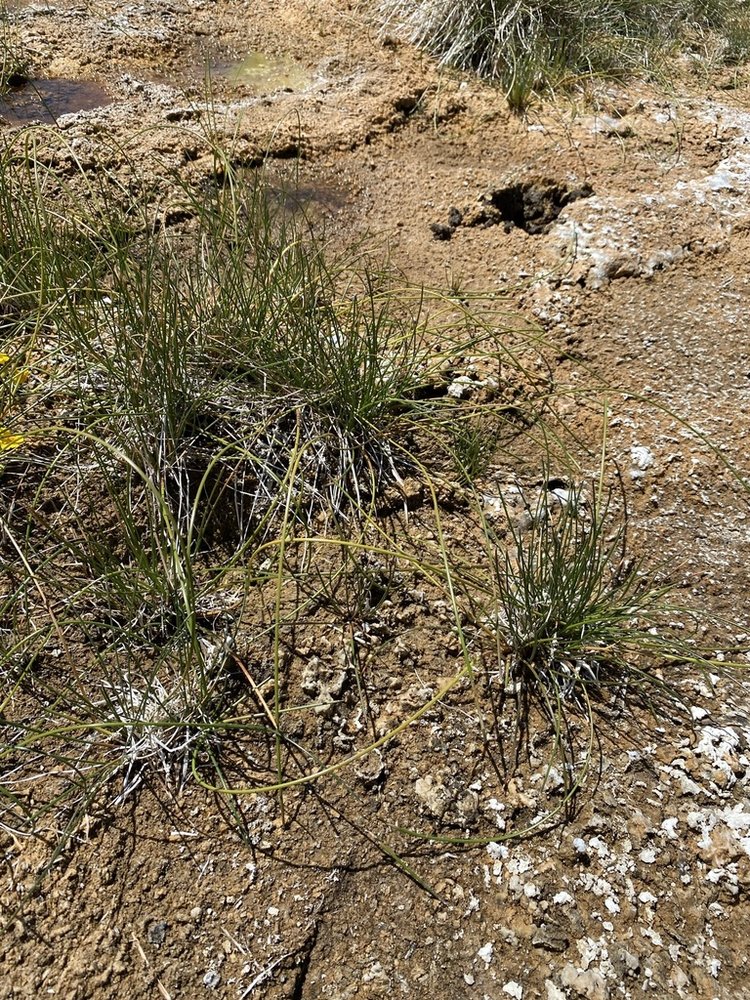
Beaked Spikerush (Eleocharis rostellata) is a native, densely tufted sedge whose wiry, flattened stems, 20–100 cm (8–40 in) long, look leafless, and some of them arch over and take root at the tip. Each fertile stem ends in one small brown spikelet in summer. Across its wide range it grows in salty, alkaline or lime-rich wetlands, including the edges of hot springs, and in the Black Hills it grows in warm, mineral-rich seeps.
Free photos from other sources
| Family | Cyperaceae · Sedge |
|---|---|
| Status | Native perennial |
| Blooms | July and August in the Rocky Mountain region (no Black Hills flowering dates found) |
| Height | 20–100 cm (8–40 in) |
| Where | Warm, mineral-rich seeps with saturated to flooded ground |
| Also called | Beaked Spike-rush, Walking Sedge |
| Synonym | Scirpus rostellatus |
| Traditional use | Moerman's database records one use: the Ramah Navajo used the plant as a ceremonial emetic. |
| Note | The Forest Service lists Beaked Spikerush as a species of local concern in the Black Hills (2005) and as a species of conservation concern in its 2023 draft assessment, and South Dakota ranks it S1, critically imperiled. This page gives no locations. |
Traditional use: first drafted by Google AI, then checked against the sources on this page.
Roots, seeds & germination
Root: Short, stout, often nearly upright rhizomes (underground stems), with no long creeping ones. The roots are shallow: in a New York fen, 65 percent or more of them were in the top 10 cm (4 in) of soil.
Seed: Each spikelet holds many small flowers. The seed is 1.5–2.5 mm long with a short beak and a ring of brown bristles about as long as the seed. The Forest Service reports low seed production, a slow seed spread rate and weak seedlings.
Germination: The seed needs no cold period to sprout. The plant also spreads without seed, by new shoots from its short rhizomes and by arching stems that take root from a bud at the tip where they touch moist soil.
How do you identify Beaked Spikerush?
Look for dense tufts of wiry, slightly flattened stems with no leaf blades, only sheaths at the base, each fertile stem ending in a single egg-shaped spikelet 5–17 mm long with 20 to 40 straw-colored to brown scales. Its best mark, according to the Forest Service, is the way some stems arch over or lie down and root from a bud at the tip, starting new plants. The uppermost leaf sheath is dark red to brown at the base, and the seed is 1.5–2.5 mm long with a short beak.
When does it bloom?
July and August in the Rocky Mountain region (no Black Hills flowering dates found).
Where does it grow?
Warm, mineral-rich seeps, in ground that stays saturated to flooded, in sun or part shade. Across its range it lives in salt marshes, alkaline seeps, lime-rich fens and the edges of hot springs. In the Black Hills it is isolated far from the nearest other populations.
Other sedges in this guide
Sources: Flora of North America Vol. 23: Eleocharis rostellata, eFloras; USDA PLANTS: Eleocharis rostellata (ELRO2); Conservation Assessment of the Beaked Spikerush (Glisson, 2003), USDA Forest Service; Phase II Amendment Final Environmental Impact Statement, chapter 3-3.2 Flora (2005), USDA Forest Service; Revised Forest Assessment: At-Risk Species, draft October 2023, USDA Forest Service; South Dakota Game, Fish and Parks: Rare Plants of South Dakota; Go Botany (Native Plant Trust): Eleocharis rostellata; Moerman, Native American Ethnobotany database (BRIT): Eleocharis rostellata.