Smooth Sumac Rhus glabra
Also called Scarlet Sumac, Common Sumac, Rocky Mountain Sumac, Red Sumac, čhaŋzí (Lakota)
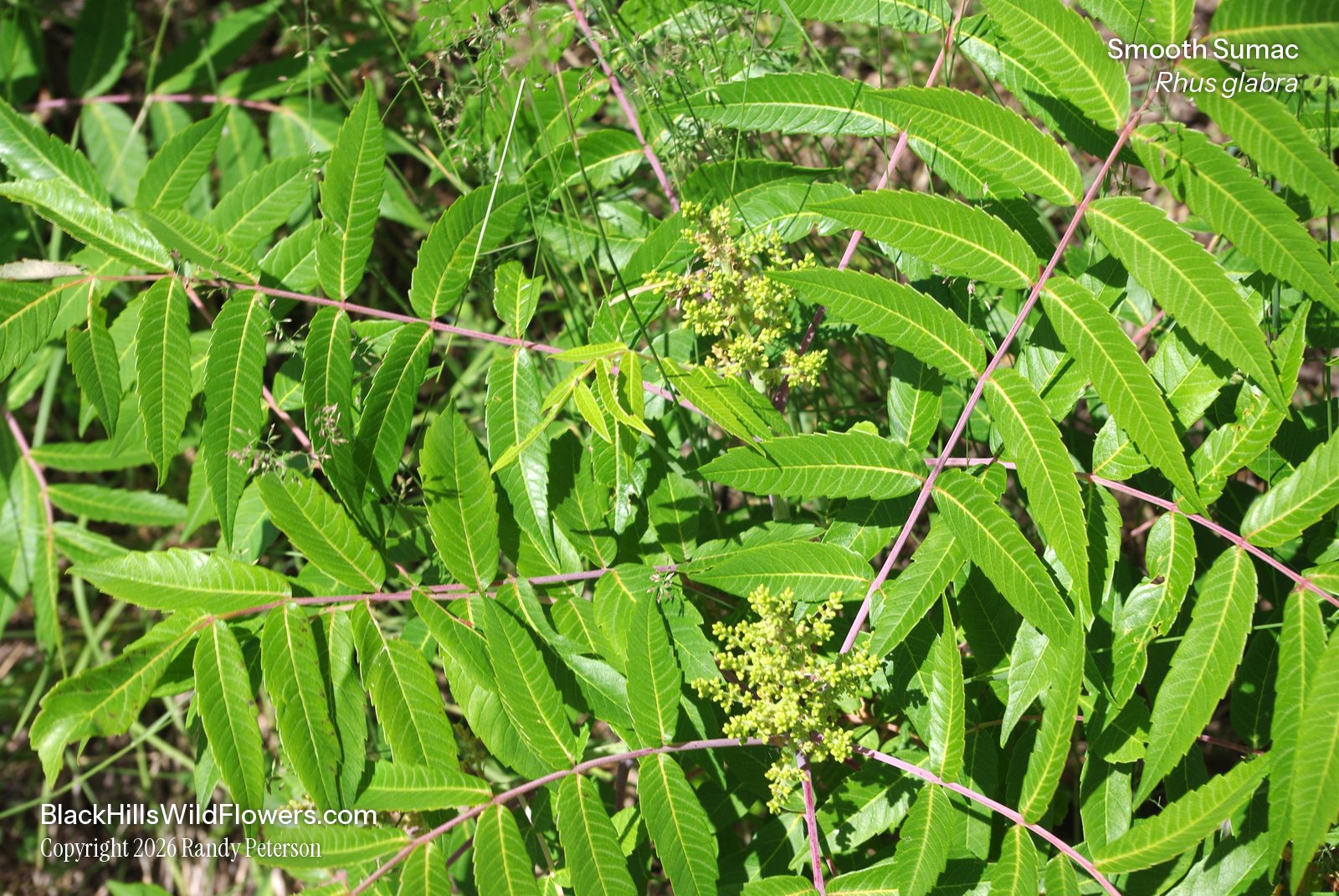
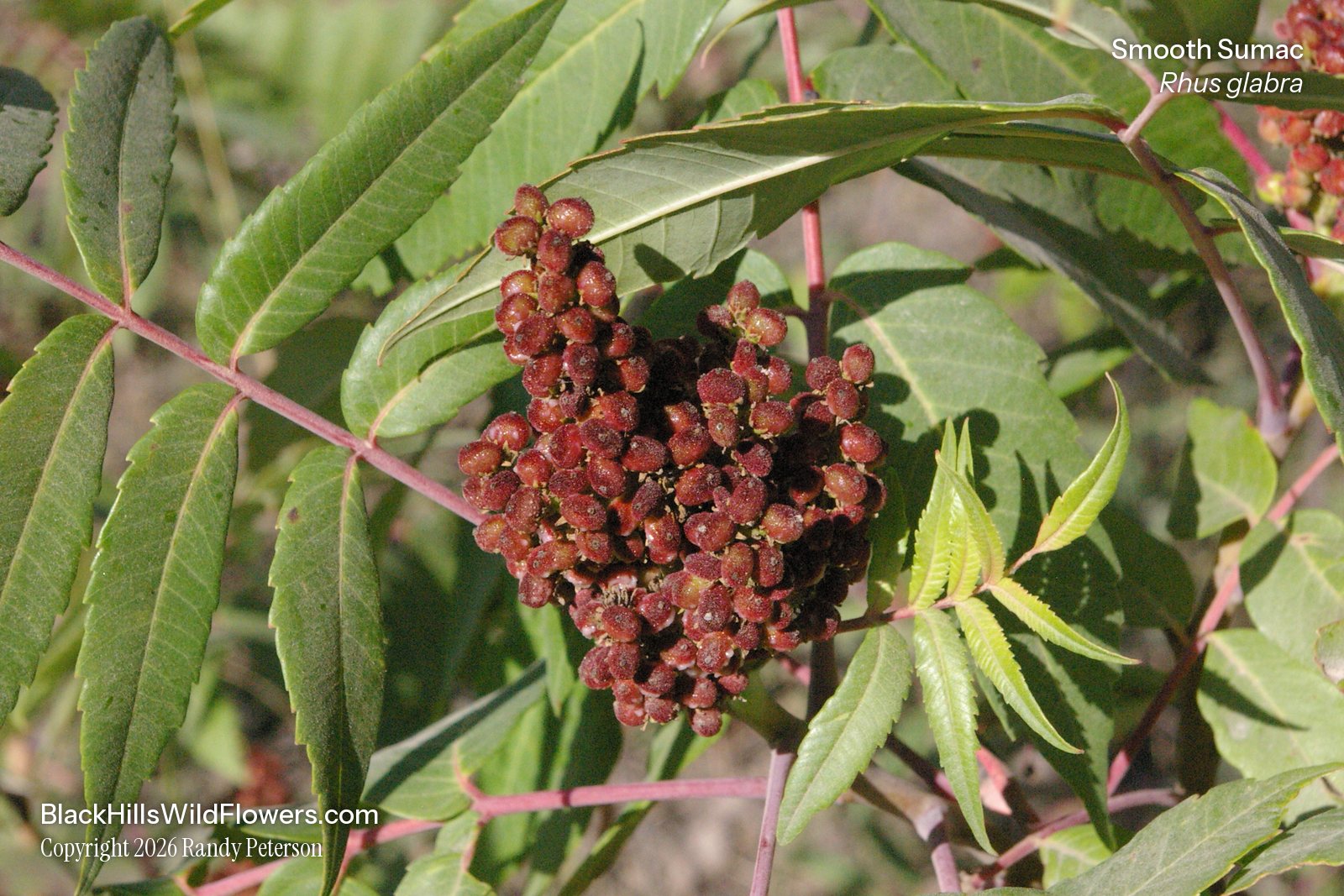
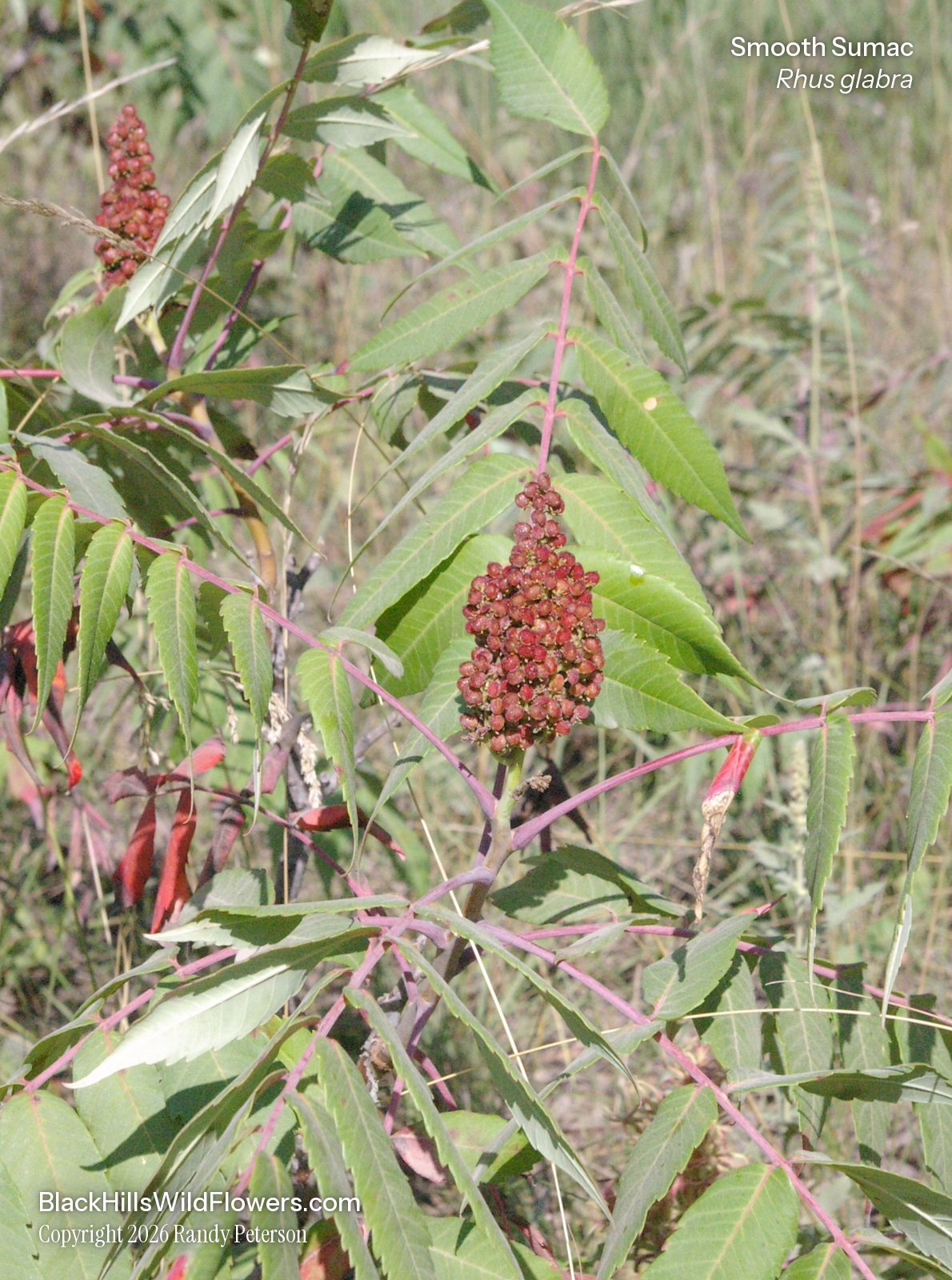
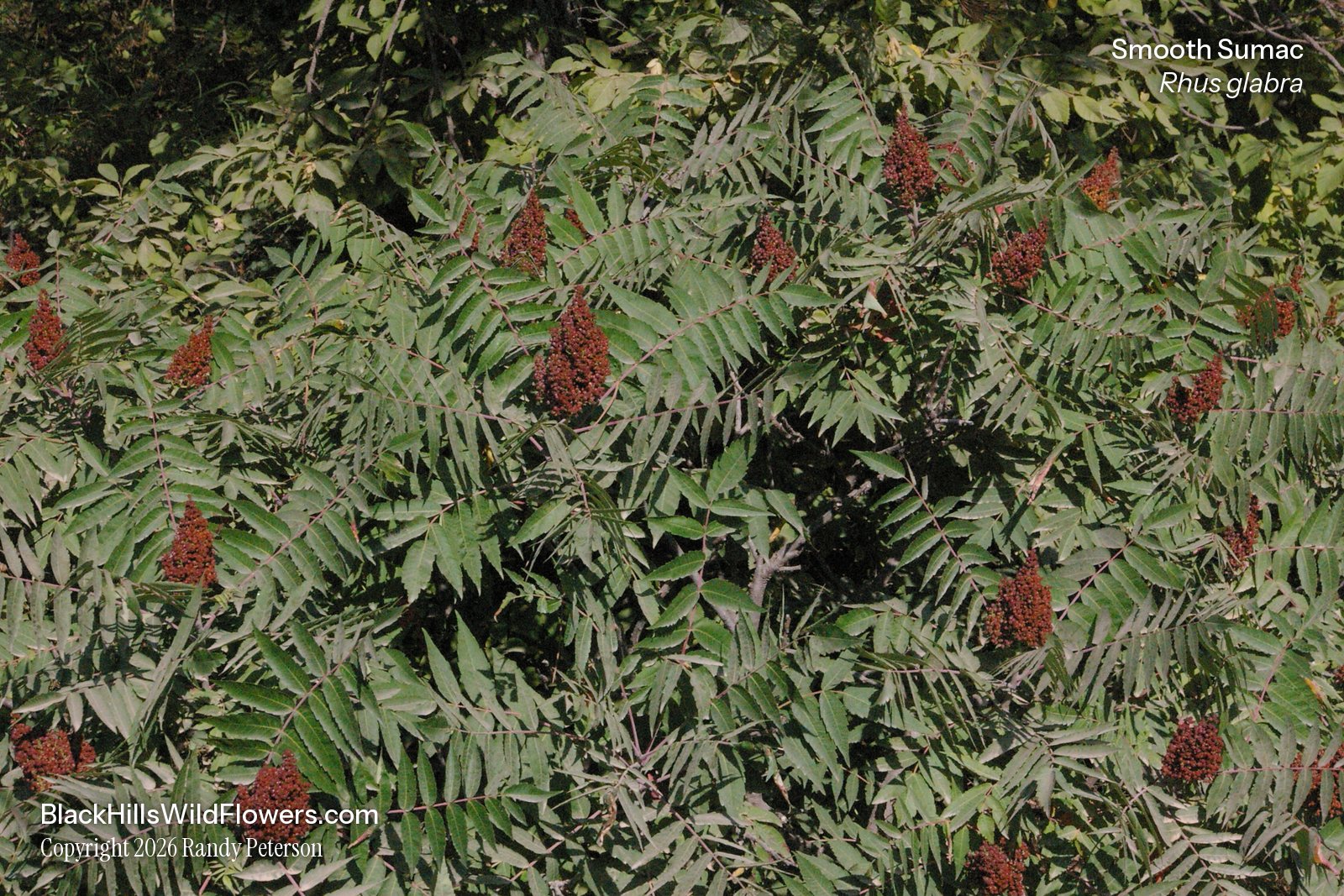
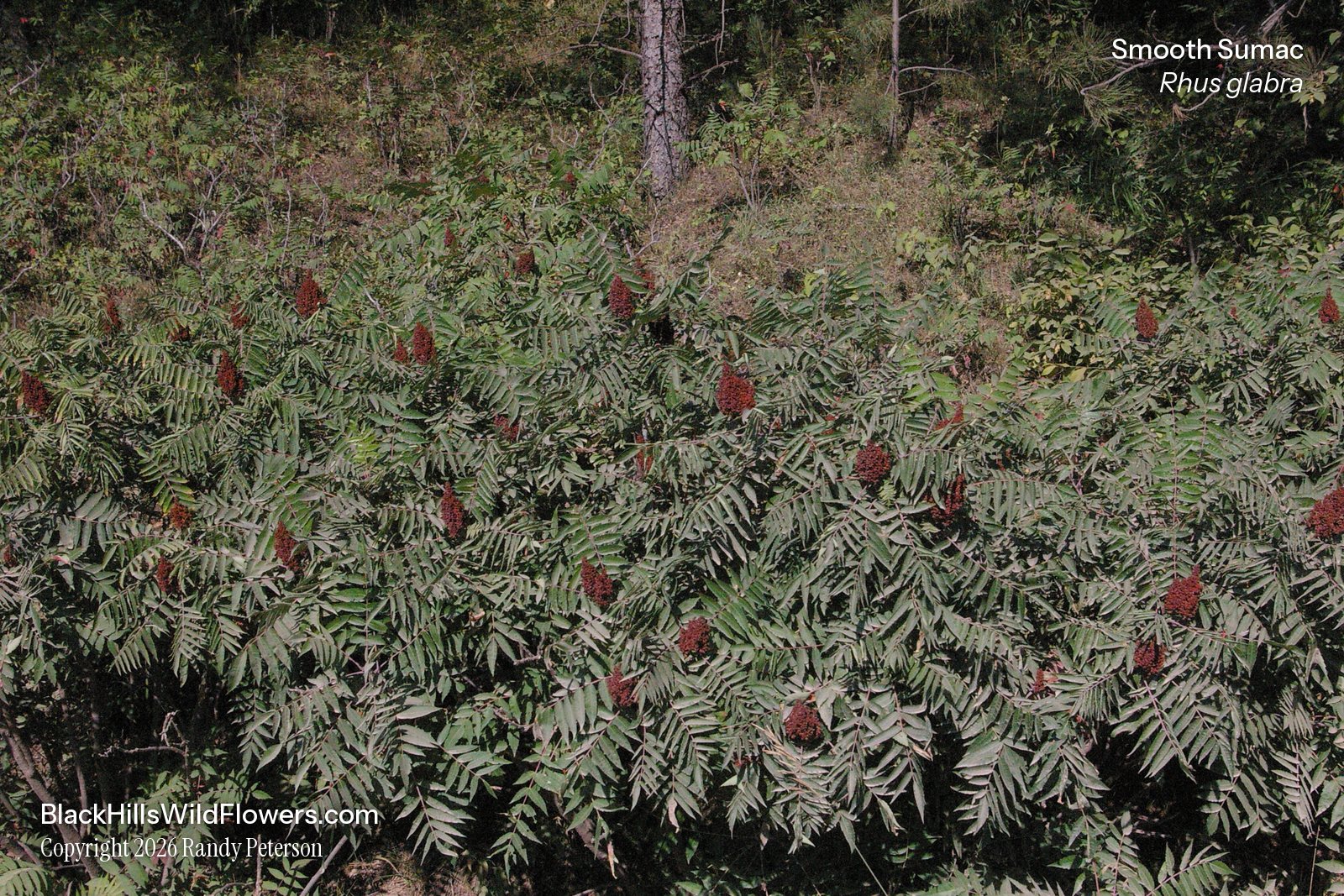
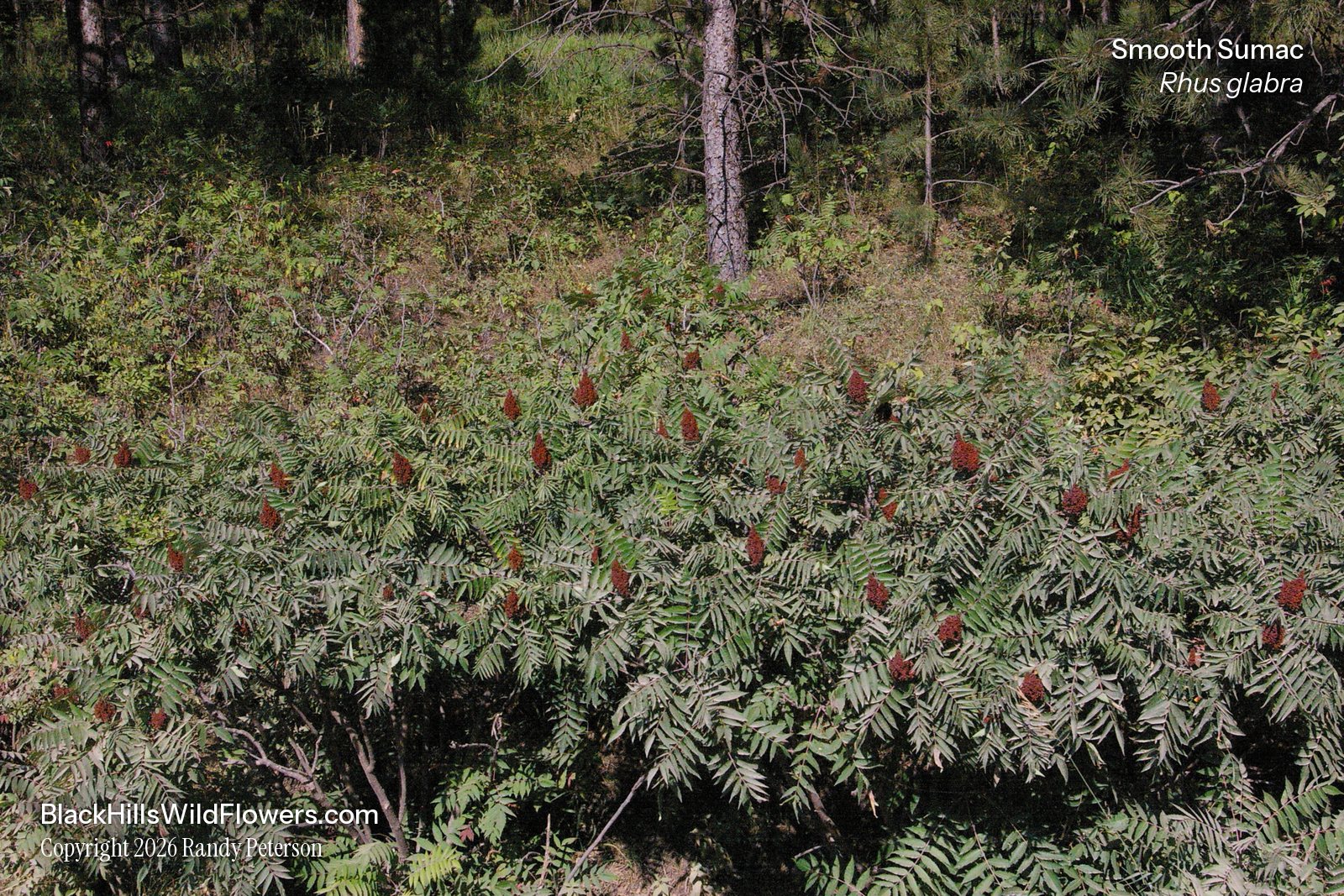
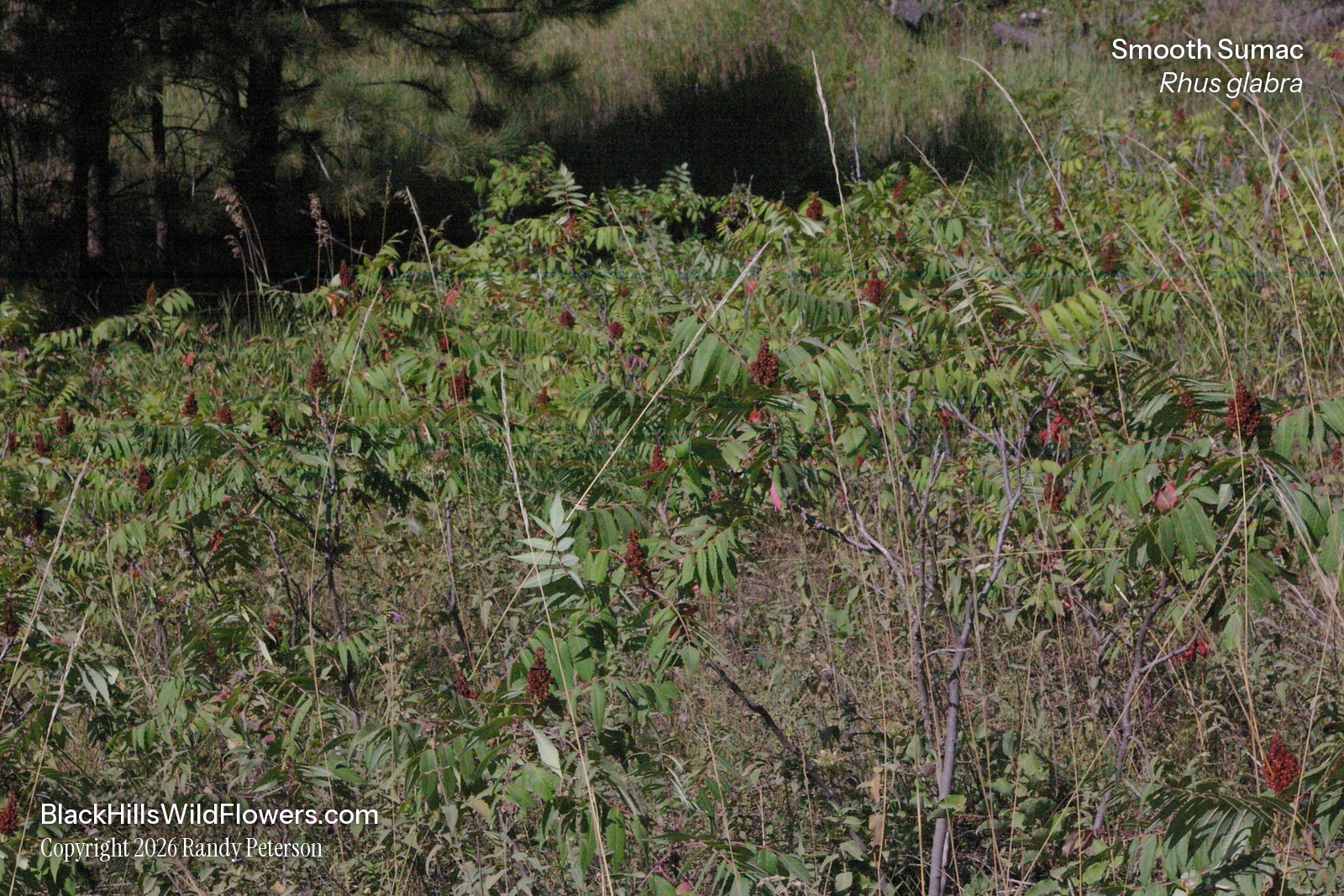
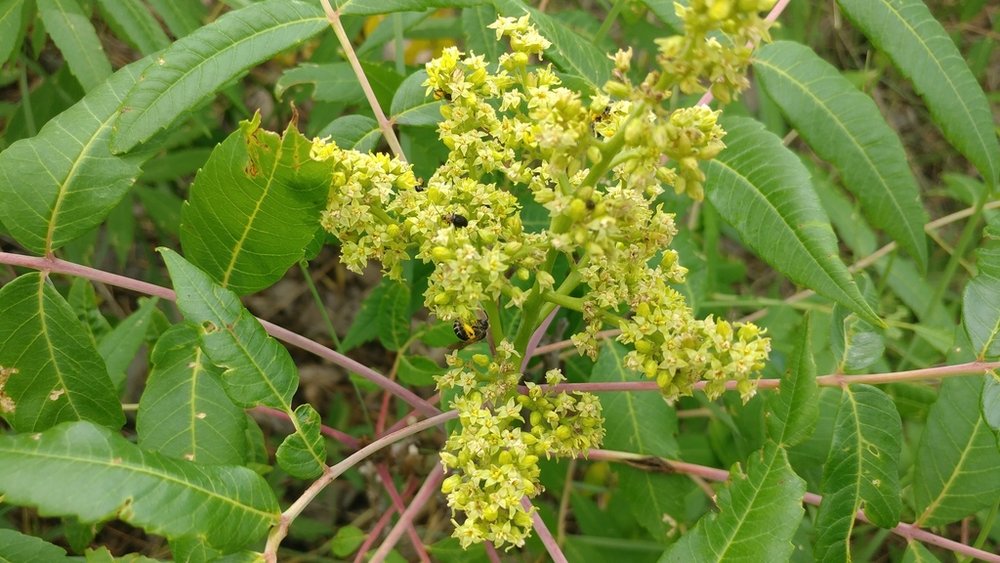
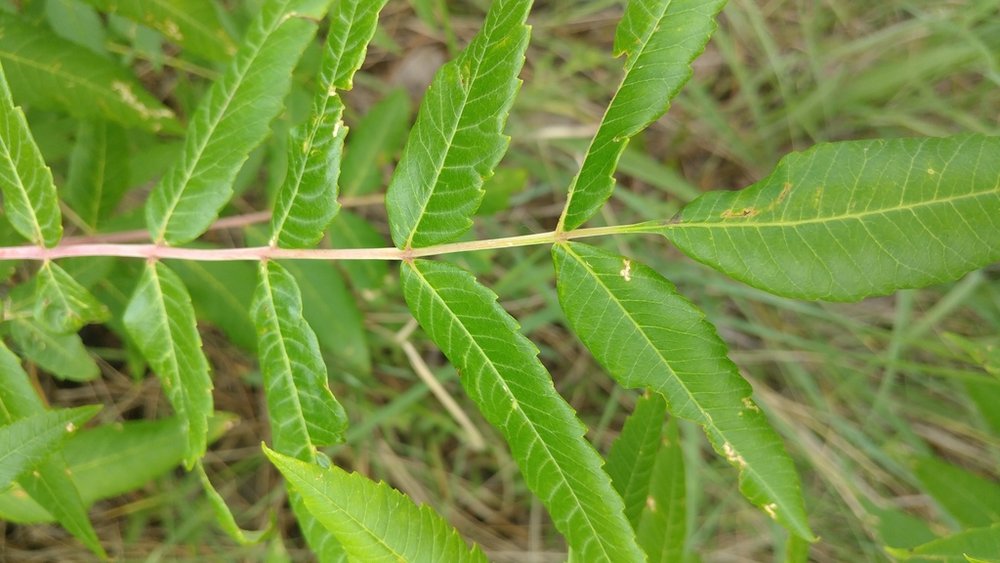
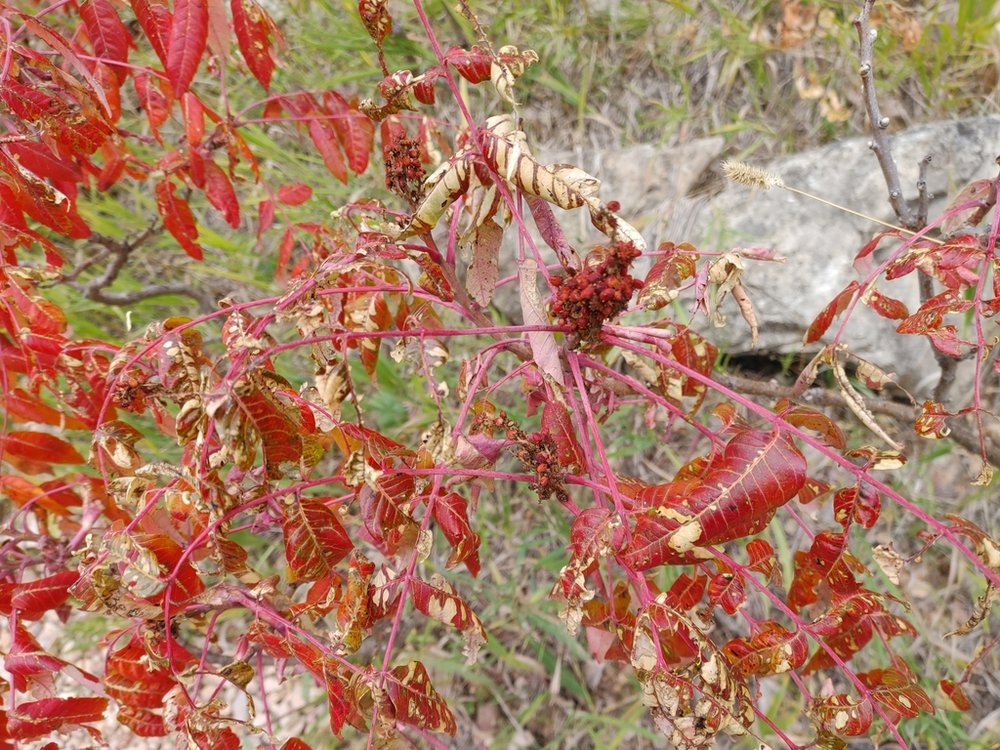
Smooth Sumac (Rhus glabra) is a native shrub that spreads into thickets, with long leaves of 11 to 31 toothed leaflets on smooth, often reddish stalks, upright clusters of small yellow-green flowers from May into July, and dense cones of fuzzy crimson berries that last into winter. In the Black Hills it grows on dry, rocky hillsides, canyon floors and roadsides, and its leaves turn scarlet in fall. Photographed in the Black Hills.
Free photos from other sources
| Family | Anacardiaceae · Sumac |
|---|---|
| Status | Native deciduous shrub |
| Blooms | May into July; the red fruit ripens in August and September and stays on into winter |
| Height | 1–5.5 m (3–18 ft) |
| Where | Dry rocky hillsides, canyon floors, roadsides and openings under scattered ponderosa pine |
| Also called | Scarlet Sumac, Common Sumac, Rocky Mountain Sumac, Red Sumac, čhaŋzí (Lakota) |
| Toxicity | Minnesota Wildflowers states that smooth sumac is not poisonous; the Missouri Department of Conservation notes that all sumacs carry some urushiol, the chemical in poison ivy that causes the rash, in at least some parts. |
| Traditional use | Black Elk and Flying By (1998) record that the Lakota used the red autumn leaves in pipe smoking and made a yellow dye from the roots. |
Roots, seeds & germination
Root: Main roots reach 2.1–2.4 m (7–8 ft) deep, and branched rhizomes (underground stems) 7.6–30.5 cm (3–12 in) below the surface tie a thicket together and send up new shoots as far as 9 m (30 ft) from the parent plant. It resprouts strongly from these rhizomes after fire.
Seed: Each berry is a slightly flattened drupe 3.5–4.5 mm across, covered in short, sticky red hairs, holding one smooth, yellowish seed about 3 mm long. The fruit ripens in August and September in South Dakota and hangs on through winter, when birds and small mammals eat it and spread the seed, which lasts in the soil.
Germination: The seed coat is hard and waterproof. SDSU reports good results from acid treatment of the seed before spring planting, and says fall-sown seed starts to sprout the following year. The Fire Effects Information System reports the best germination in continuous light at a steady 20 °C (68 °F) or with alternating warm and cool temperatures, and none at a steady 35 °C (95 °F). Suckers dug and moved in spring also take.
How do you identify Smooth Sumac?
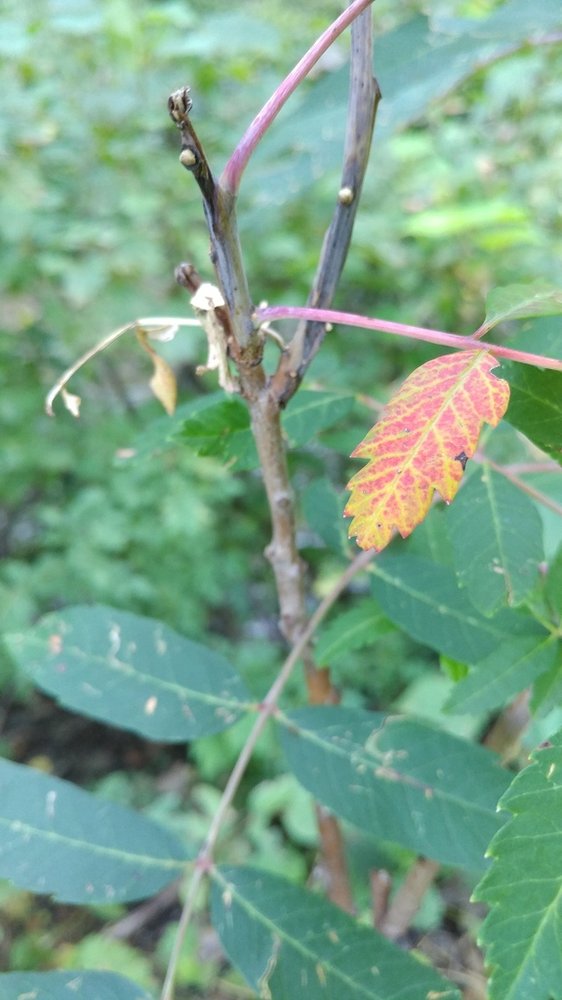
Start with the twigs and leaf stalks: they are hairless and covered with a whitish waxy coating, and the leaf stalks are often reddish; older bark is thin, smooth and gray to gray-brown, with scattered warty dots. Each leaf is 30–50 cm (12–20 in) long, with 11 to 31 lance-shaped, sharply toothed leaflets 7–9 cm (3–3½ in) long that sit right on the leaf stalk, dark green above and whitish beneath. Male and female flowers grow on separate plants, in dense, upright clusters 10–25 cm (4–10 in) long at the branch tips, and female plants carry a tight cone of flattened crimson berries covered in short, sticky red hairs. Illinois Wildflowers separates it from Fragrant Sumac (Rhus aromatica, this guide's Skunkbush Sumac) by leaf: that shrub has only 3 leaflets per leaf. The Missouri Department of Conservation separates sumacs from poison ivy the same way: poison ivy never has more than 3 leaflets, and its berries are whitish or yellowish, not red. SDSU notes it can be mistaken for Staghorn Sumac, which has hairy stems and knobby fruit.
When does it bloom?
May into July; the red fruit ripens in August and September and stays on into winter.
Where does it grow?
Dry, rocky ground: hillsides and slopes, canyon floors and the base of limestone cliffs, roadsides, fence rows, and openings under scattered ponderosa pine or at the edge of oak. SDSU describes it in open woodlands, thickets, prairies and roadsides throughout South Dakota. Herbarium specimens from 1895 to 2012 come from Lawrence, Meade, Pennington and Custer counties in South Dakota and Crook and Weston counties in Wyoming, and the National Park Service lists it at Wind Cave National Park.
Other plants to compare
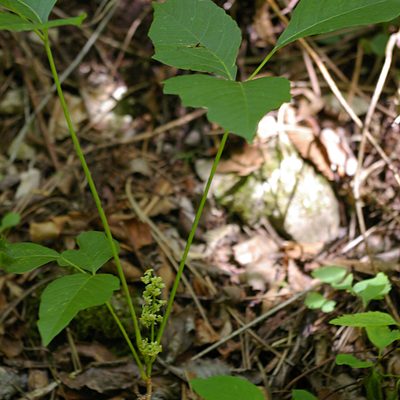
Other sumacs in this guide
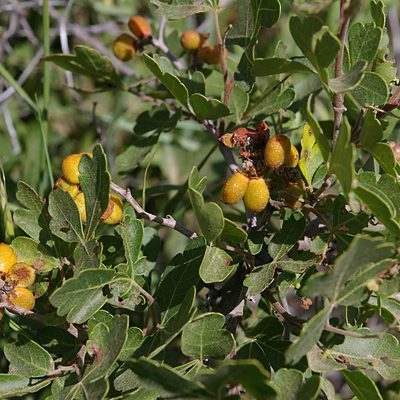
Sumac family (Anacardiaceae): 2 other plants in this guide
Sources: SDSU Open PRAIRIE: Anacardiaceae: Rhus glabra (R. Neil Reese); USDA NRCS Plant Guide: Smooth Sumac, Rhus glabra; USDA PLANTS Database: Rhus glabra (RHGL); USDA Forest Service Fire Effects Information System: Rhus glabra (Johnson 2000); Minnesota Wildflowers: Rhus glabra (Smooth Sumac); Illinois Wildflowers: Smooth Sumac, Rhus glabra; Missouri Department of Conservation field guide: Sumacs; NPSpecies checklist, Wind Cave National Park vascular plants; GBIF occurrence search: Rhus glabra, South Dakota and Wyoming herbarium specimens; Culturally Important Plants of the Lakota (Black Elk and Flying By, 1998), filed with the South Dakota PUC.