Lanceleaf Figwort Scrophularia lanceolata
Also called Lance-leaf Figwort, Early Figwort, Hare Figwort
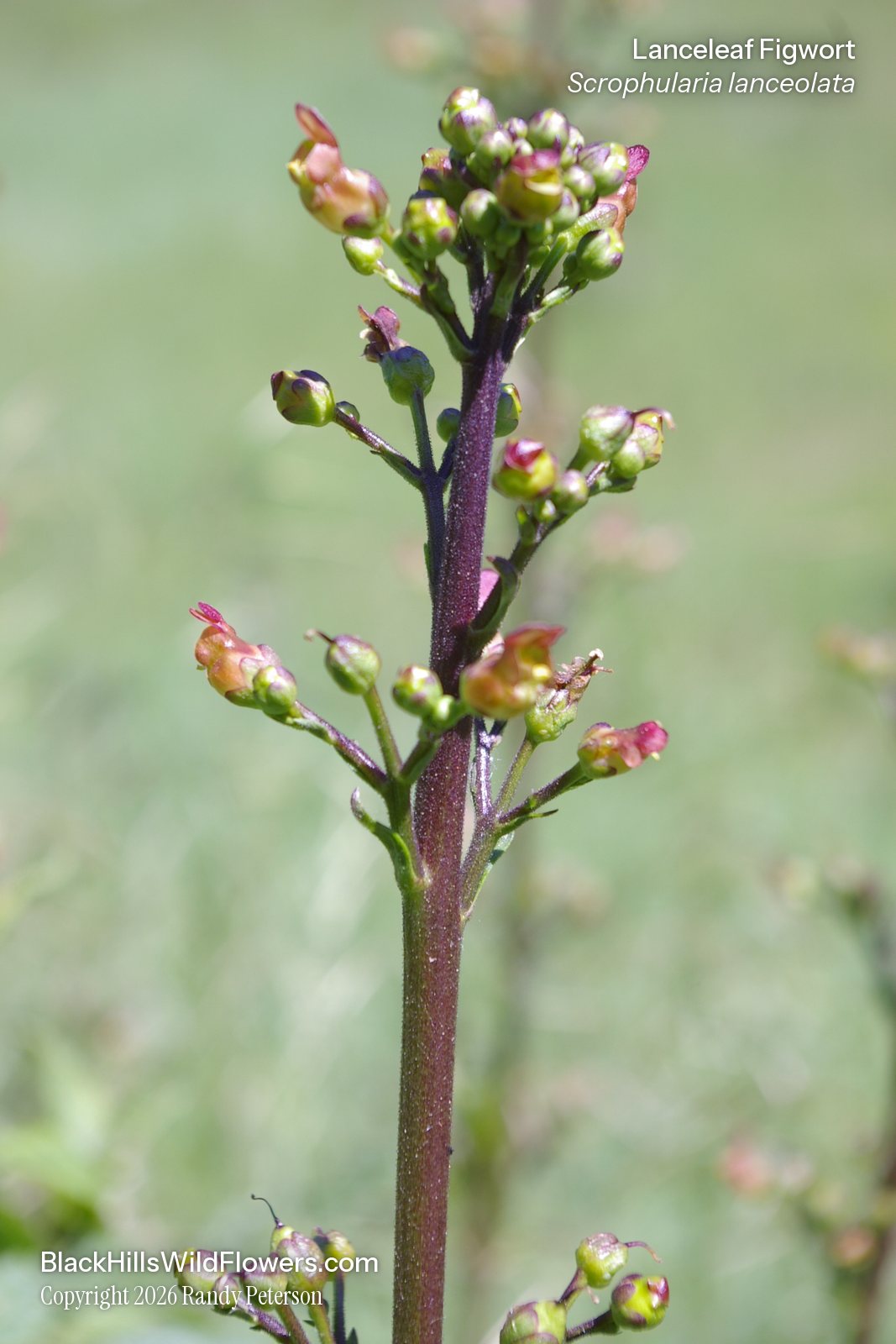
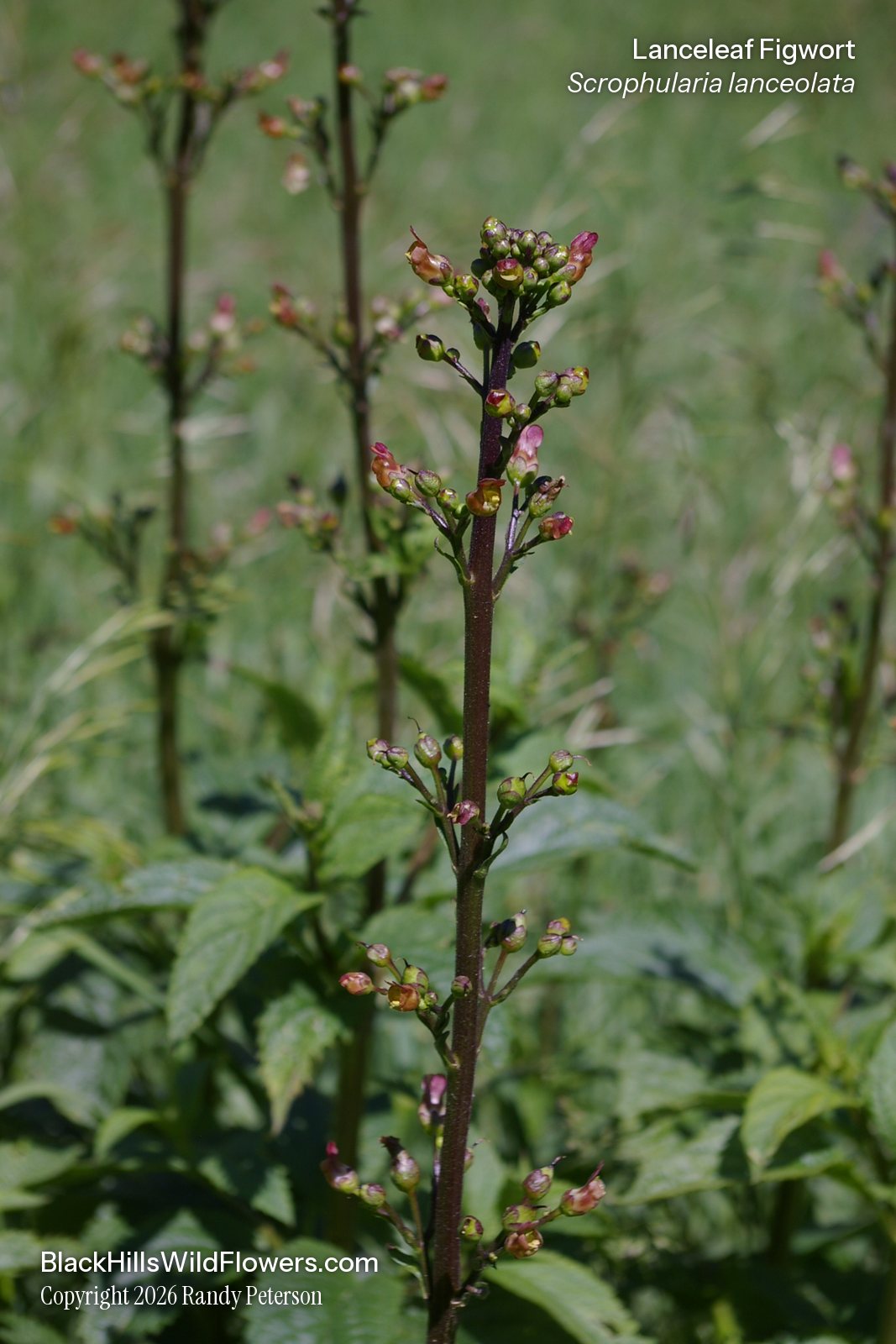
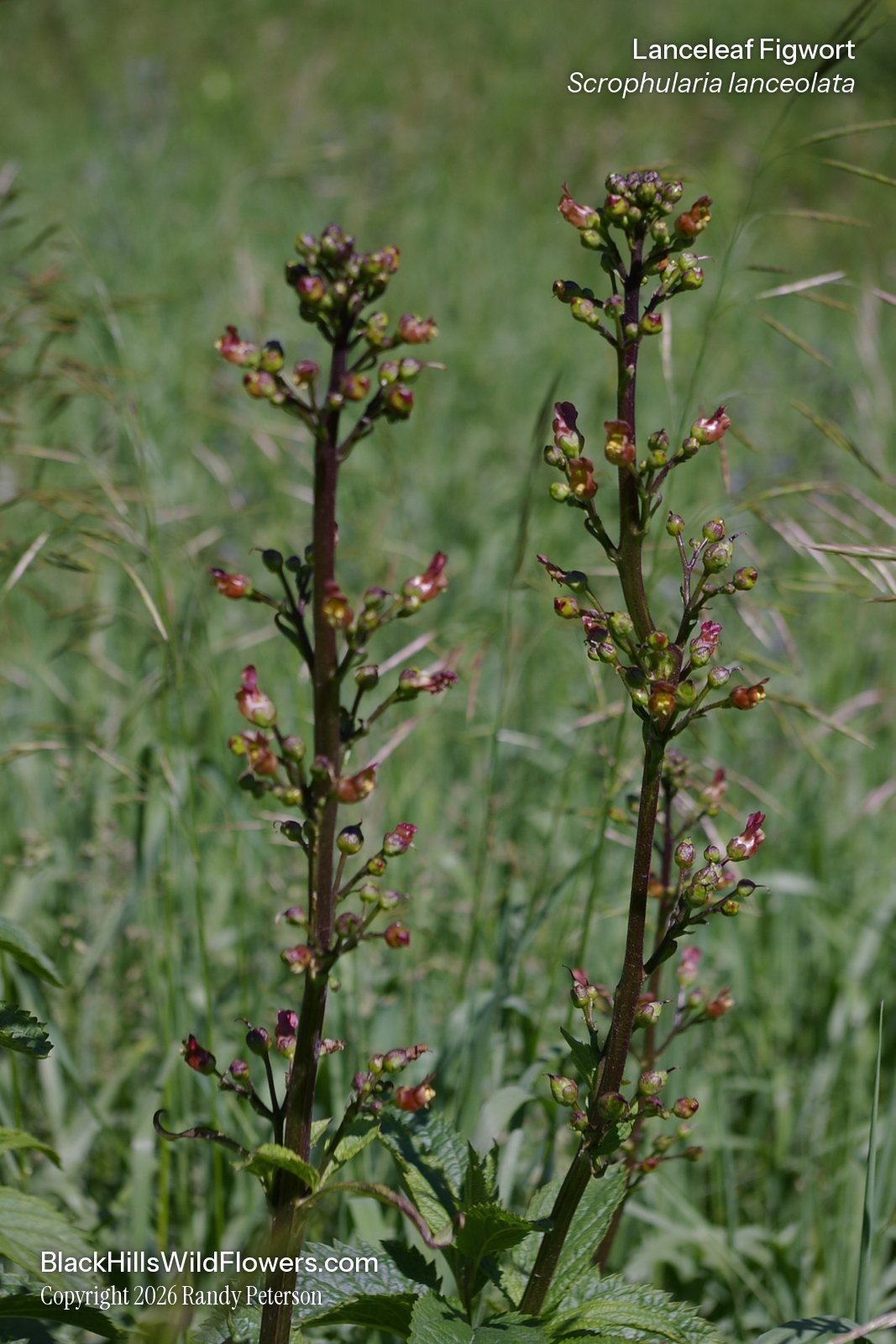
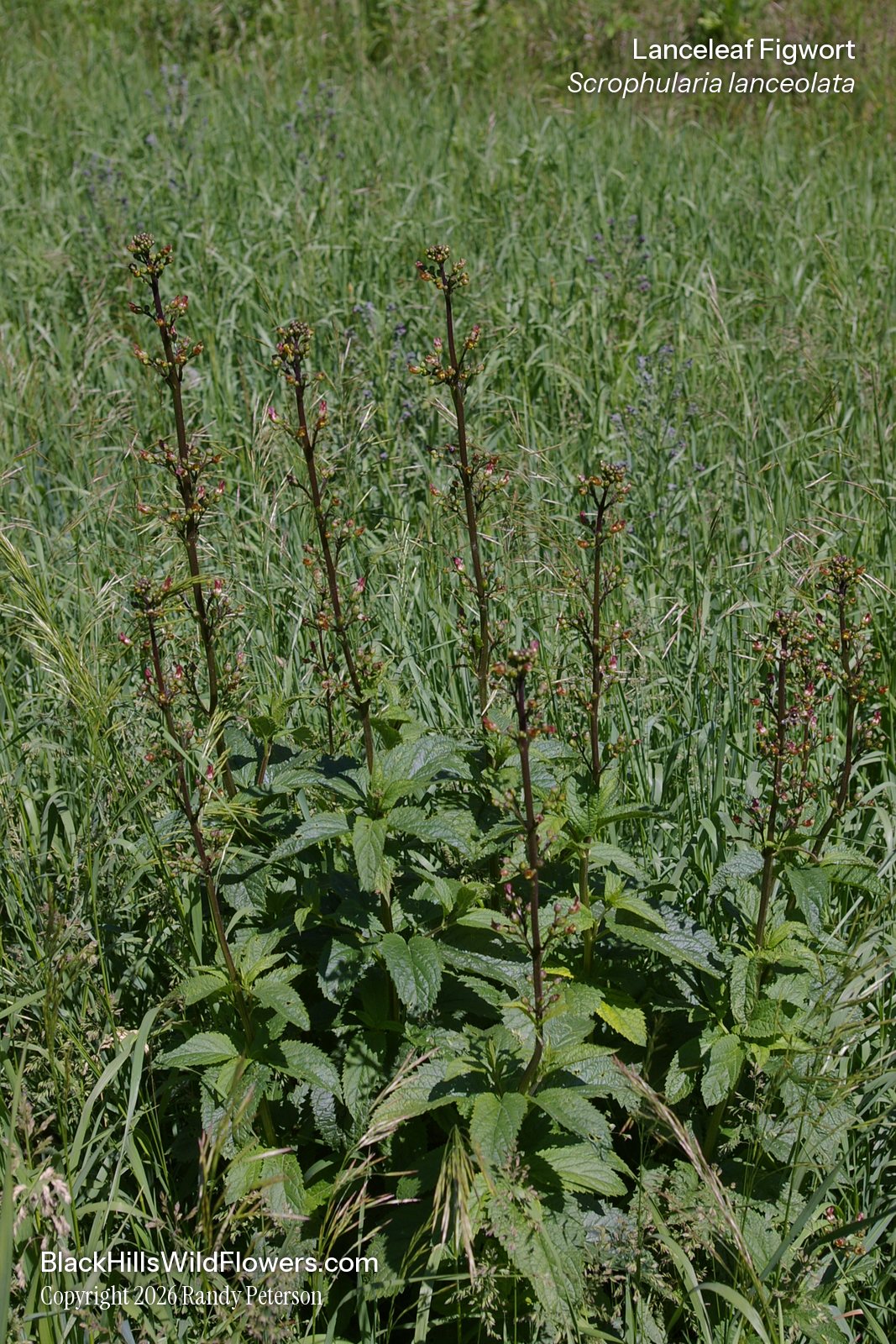
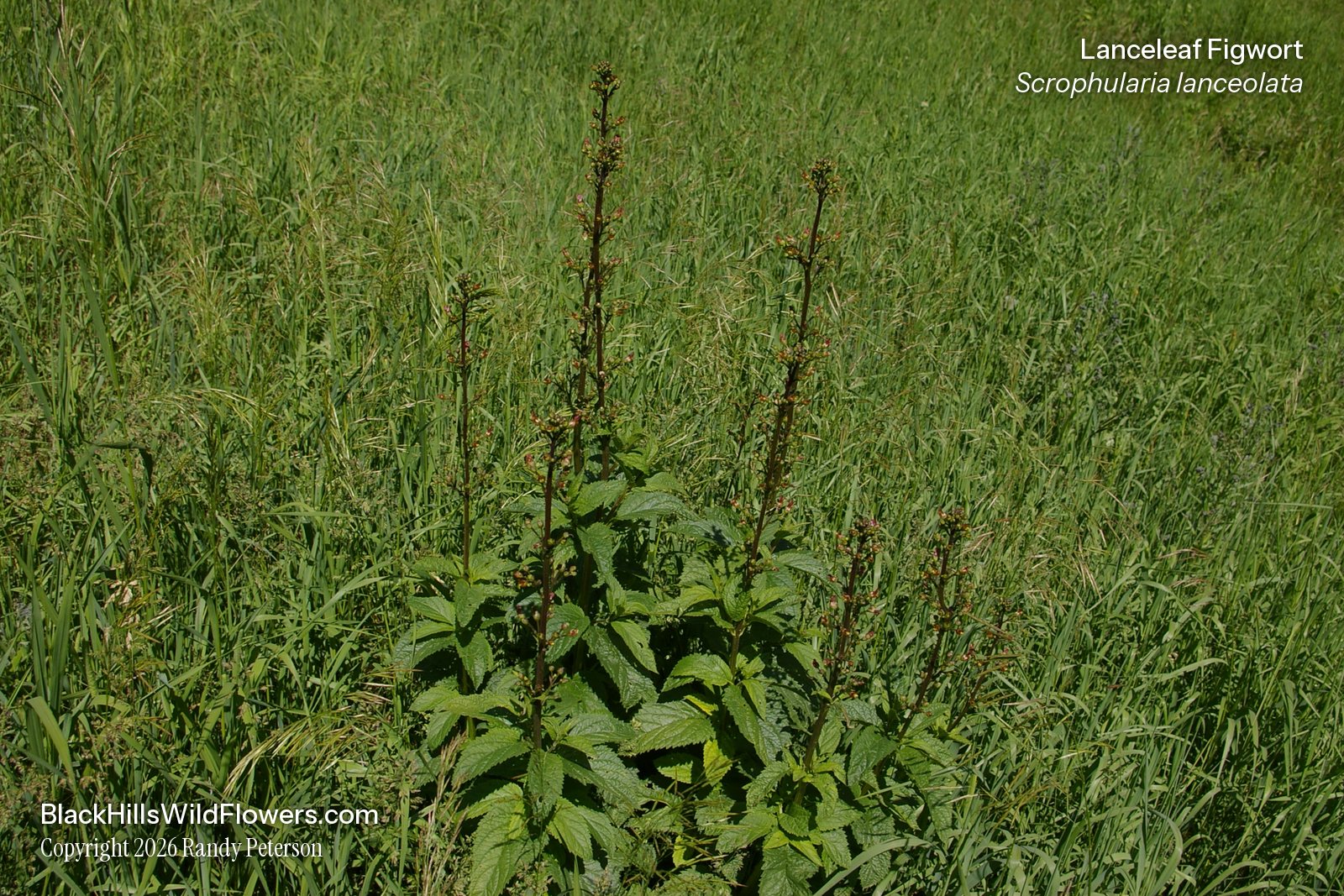
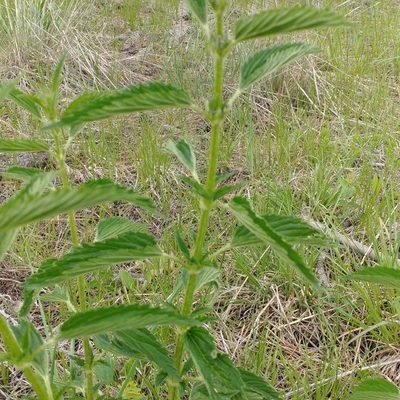
Lanceleaf Figwort (Scrophularia lanceolata) is a tall native perennial, 60–180 cm (2–6 ft), with opposite, coarsely toothed leaves and open, branching clusters of small, rounded flowers that are green with shiny reddish-brown upper lobes. It blooms in June and July, and in the Black Hills it grows along creeks and spring runs, in moist meadows and shady gulches, and on roadsides. Photographed in the Black Hills.
Free photos from other sources
| Family | Scrophulariaceae · Figwort |
|---|---|
| Status | Native perennial |
| Blooms | June and July; Black Hills specimens have been found in flower into early August |
| Height | 60–180 cm (2–6 ft) |
| Where | Creek banks, spring runs, moist meadows, thickets, open woods and roadsides |
| Also called | Lance-leaf Figwort, Early Figwort, Hare Figwort |
| Synonym | Scrophularia occidentalis, Scrophularia pectinata, Scrophularia leporella |
Roots, seeds & germination
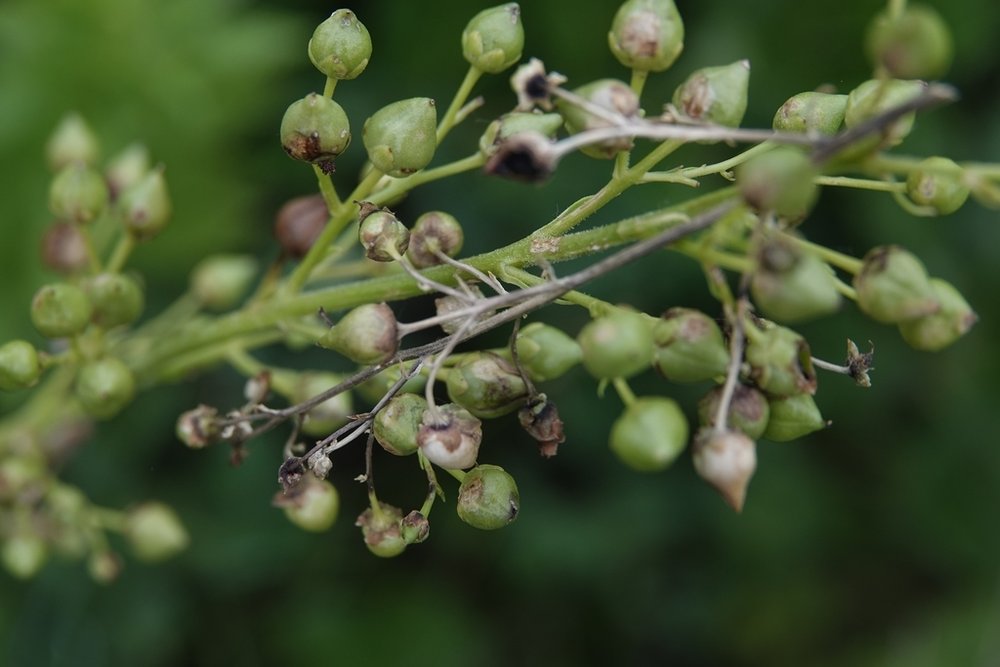
Seed: The fruit is a dull brown, teardrop-shaped capsule 6–10 mm (¼–⅖ in) long that splits in two and holds many tiny black seeds.
How do you identify Lanceleaf Figwort?
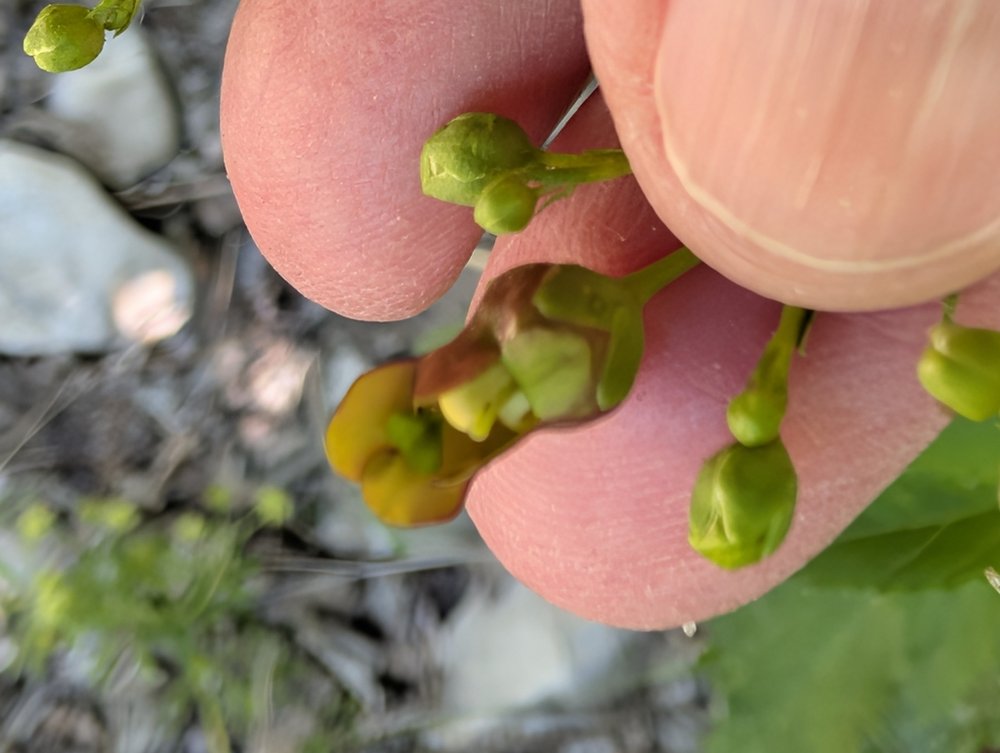
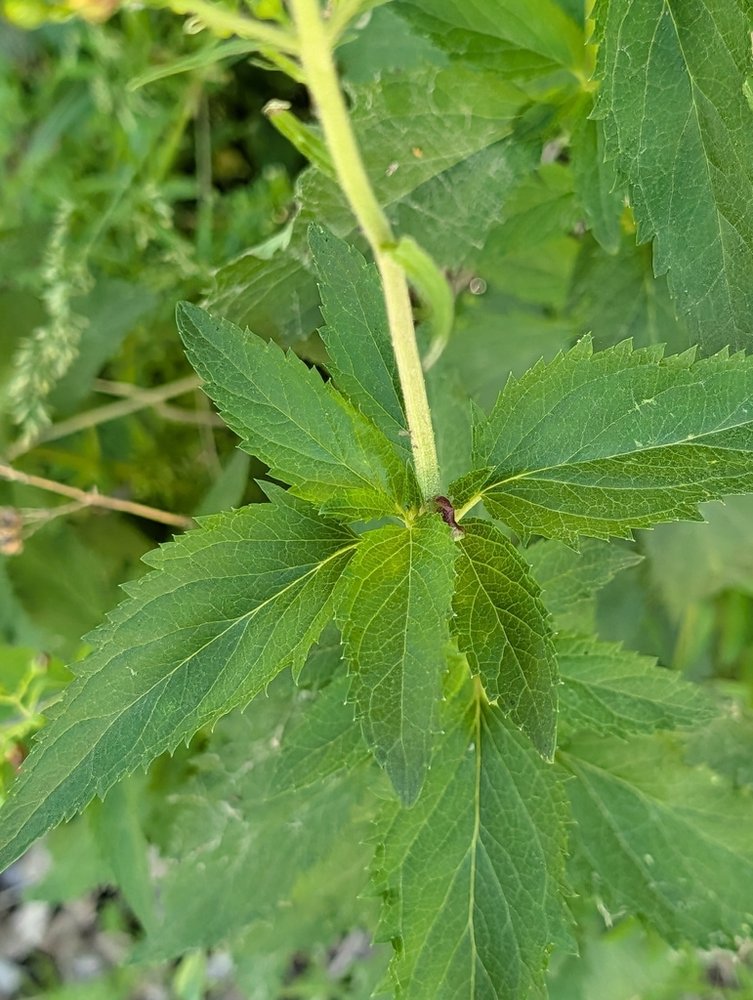
Look for a stout, 4-sided stem with flat or shallowly grooved sides and opposite, lance-shaped to egg-shaped leaves up to 20 cm (8 in) long with sharp, coarse teeth, on stalks up to 3 cm (1¼ in) long; the leaf base is straight, tapered or broadly rounded. The flowers sit in short, open, branching clusters at the top, on stalks with tiny glandular hairs. Each flower is only 6–11 mm (¼–⅖ in) long and rounded at the base, with two long upper lobes that are shiny reddish brown to reddish green outside, a green lower lobe folded down, and 4 yellow stamens. Inside the upper lobes is a sterile stamen (staminode) that is green to yellow-green with a fan-shaped tip, usually wider than long. Before it flowers its leaves can look like Stinging Nettle's, but they have no stinging hairs. Maryland Figwort (Scrophularia marilandica) has a purple to purple-brown staminode that is longer than wide, leaves that often have heart-shaped bases on longer stalks, a more deeply grooved stem and smaller seed capsules, 4–7 mm; South Dakota's rare plant list says it was last collected in the state in 1960, on prairie in the southeast.
When does it bloom?
June and July; Black Hills specimens have been found in flower into early August.
Where does it grow?
Moist, partly shaded to sunny ground: creek banks, spring runs, moist meadows, thickets, open woods, roadsides and disturbed ground. The 1986 plant survey of Jewel Cave lists it, the National Park Service lists it at Wind Cave, Jewel Cave, Mount Rushmore and Devils Tower, and herbarium specimens from Lawrence, Pennington, Custer, Meade and Fall River counties and Crook and Weston counties, Wyoming, record it along creeks in pine and aspen forest, in a shady gulch, beside springs, in a spring run and in moist meadows.
Other flowers to compare
Sources: Minnesota Wildflowers: Scrophularia lanceolata (Lance-leaf Figwort); Go Botany (Native Plant Trust): Scrophularia lanceolata; USDA PLANTS Database: Scrophularia lanceolata (SCLA); ITIS: Scrophularia lanceolata, TSN 34036; Rare Plants of South Dakota, South Dakota Game, Fish and Parks (Scrophularia marilandica); Marriott and Hartman 1986, A Survey of the Vegetation of Jewel Cave National Monument; NPSpecies checklist, Wind Cave National Park vascular plants; NPSpecies checklist, Jewel Cave National Monument vascular plants; NPSpecies checklist, Mount Rushmore National Memorial vascular plants; NPSpecies checklist, Devils Tower National Monument vascular plants; GBIF occurrence search: Scrophularia lanceolata, South Dakota and Wyoming herbarium specimens; GBIF specimen 4069017916: Lawrence County, 1983, along a creek in pine-aspen forest, 1,646 m; GBIF specimen 2512328851: Meade County, 1924, shady gulch, flowering; GBIF specimen 2425396888: Crook County, WY, 1966, moist meadow; GBIF specimen 2512284448: Custer County, 1947, in a spring run, flowering June 21; GBIF specimen 2512331047: Pennington County, 1950, roadside, flowering August 4.