Common Mullein
Verbascum thapsus
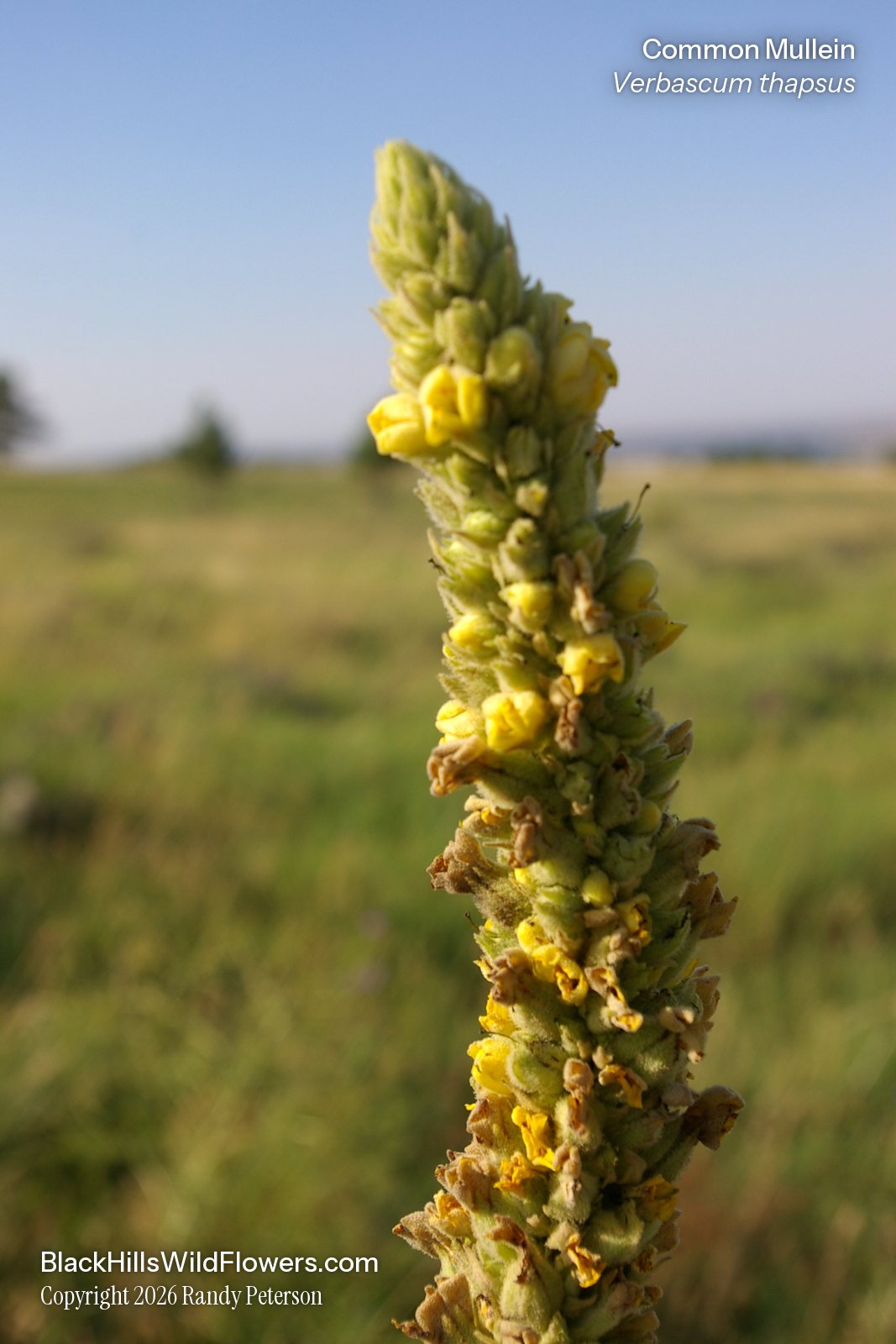
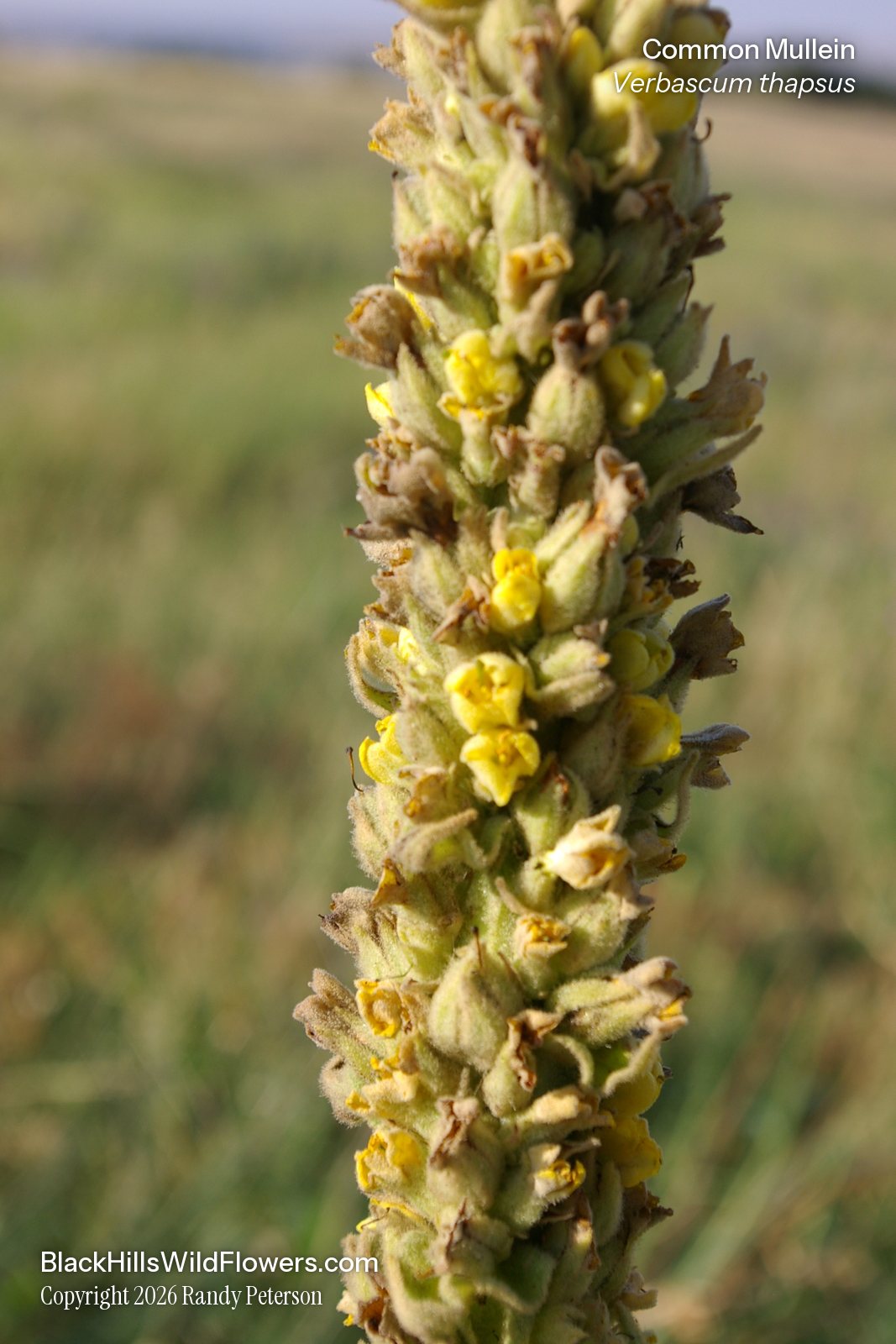
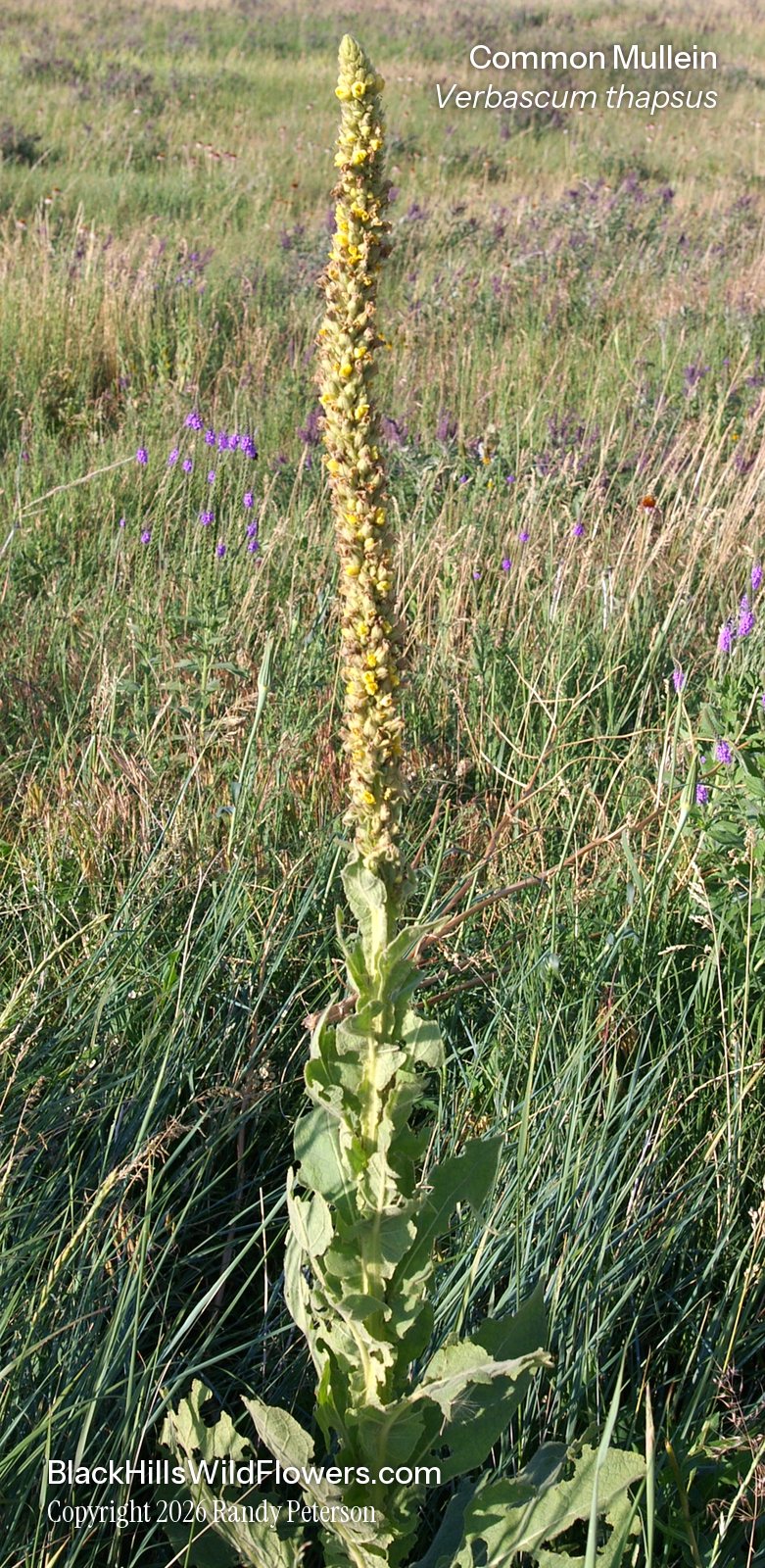
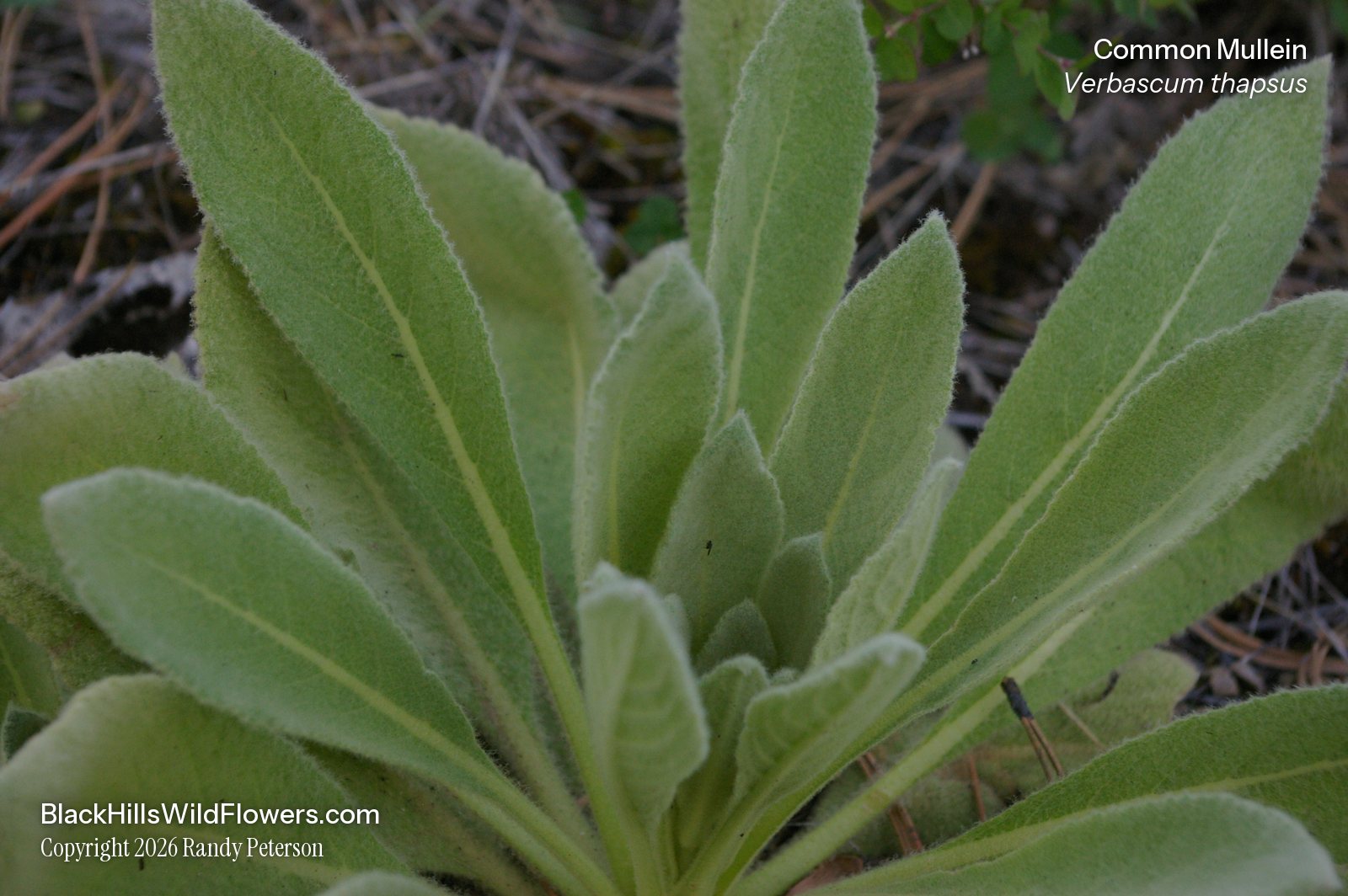
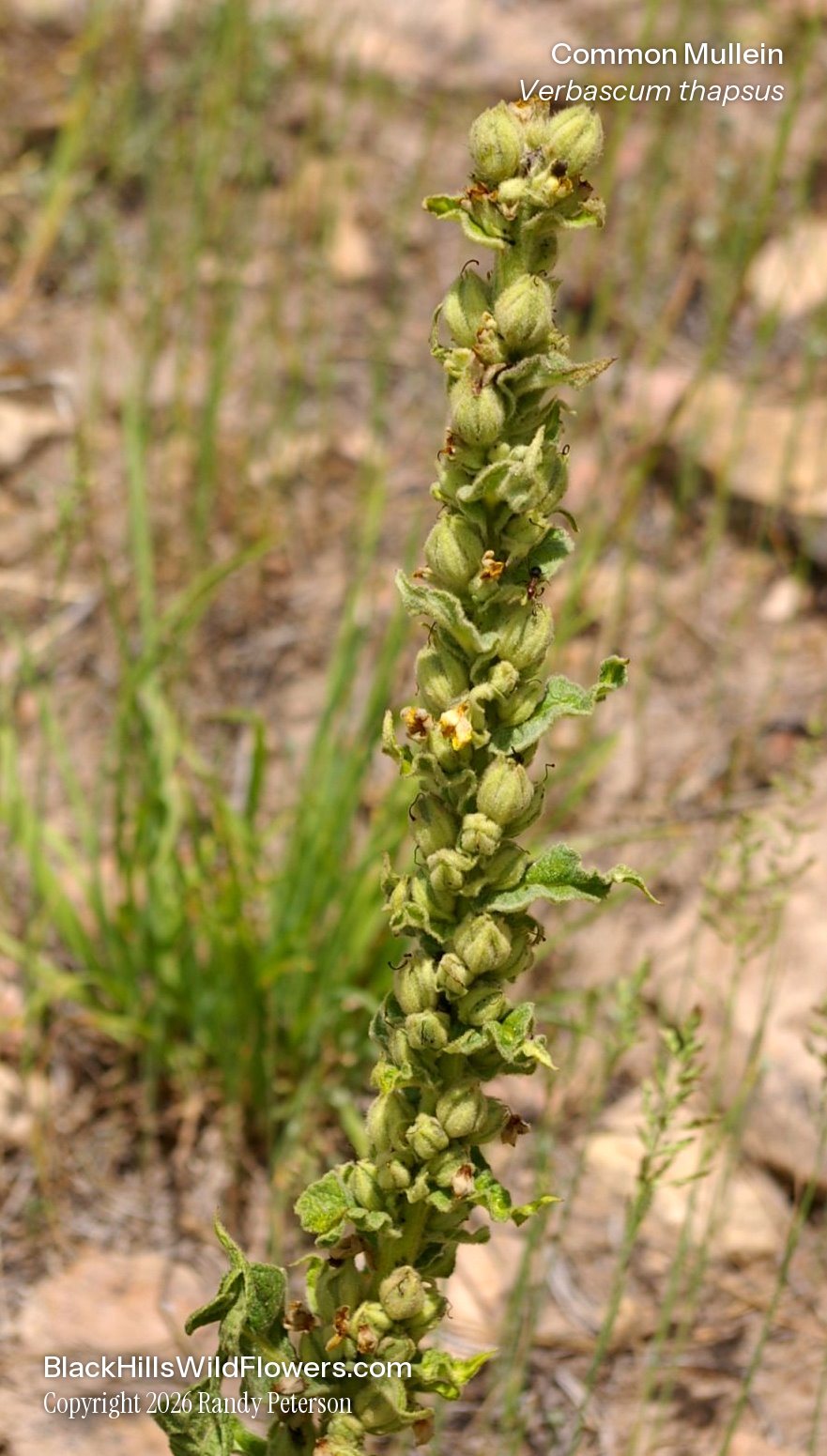
Common Mullein (Verbascum thapsus) is a biennial weed from Europe and Asia that grows a rosette of soft, woolly leaves in its first year and a tall spike of yellow flowers in its second. It grows on roadsides, fields and overgrazed ground in South Dakota, and at nearby Devils Tower in Wyoming it blooms June through August. Photographed in the Black Hills.
| Family | Scrophulariaceae · Figwort |
|---|---|
| Status | Introduced biennial |
| Blooms | June through August |
| Height | 1–2.5 m (39–98 in) |
| Where | Roadsides, fields, waste areas and overgrazed ground |
| Also called | Great Mullein, Flannel Plant, Velvet Plant, apé hiŋšmá (Lakota) |
| Listed | Locally noxious in many South Dakota counties, including Butte, Custer and Lawrence (2026–2030) and Fall River (2025–2029). |
| Toxicity | The seeds are toxic to fish. |
| Traditional use | Sitting Bull College's 1998 Culturally Important Plants of the Lakota records a leaf infusion used for chest congestion from bronchitis or influenza, and a leaf poultice for ulcers on the legs or feet. |
Roots, seeds & germination
Root: A thick taproot with fibrous side roots.
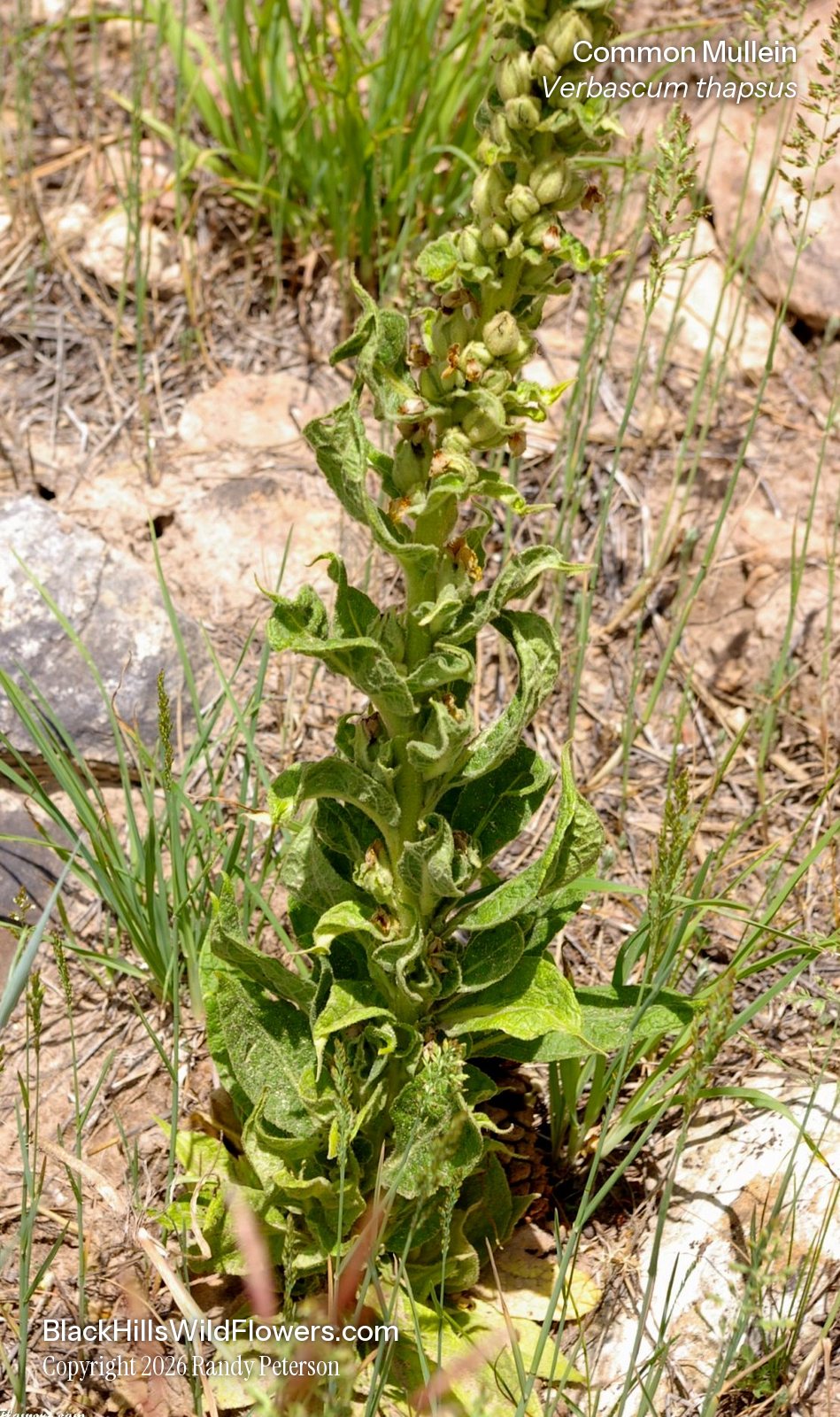
Seed: Hairy, egg-shaped capsules hold many tiny seeds, 0.4–0.8 mm long, with no wings. One well-grown North Dakota plant made about 223,200 seeds. Seeds can stay alive in soil for 100 years or more.
Germination: Sprouts best on the soil surface, in light and warmth. Newly harvested seed germinated over 90% in light and about 2% in darkness.
How do you identify Common Mullein?
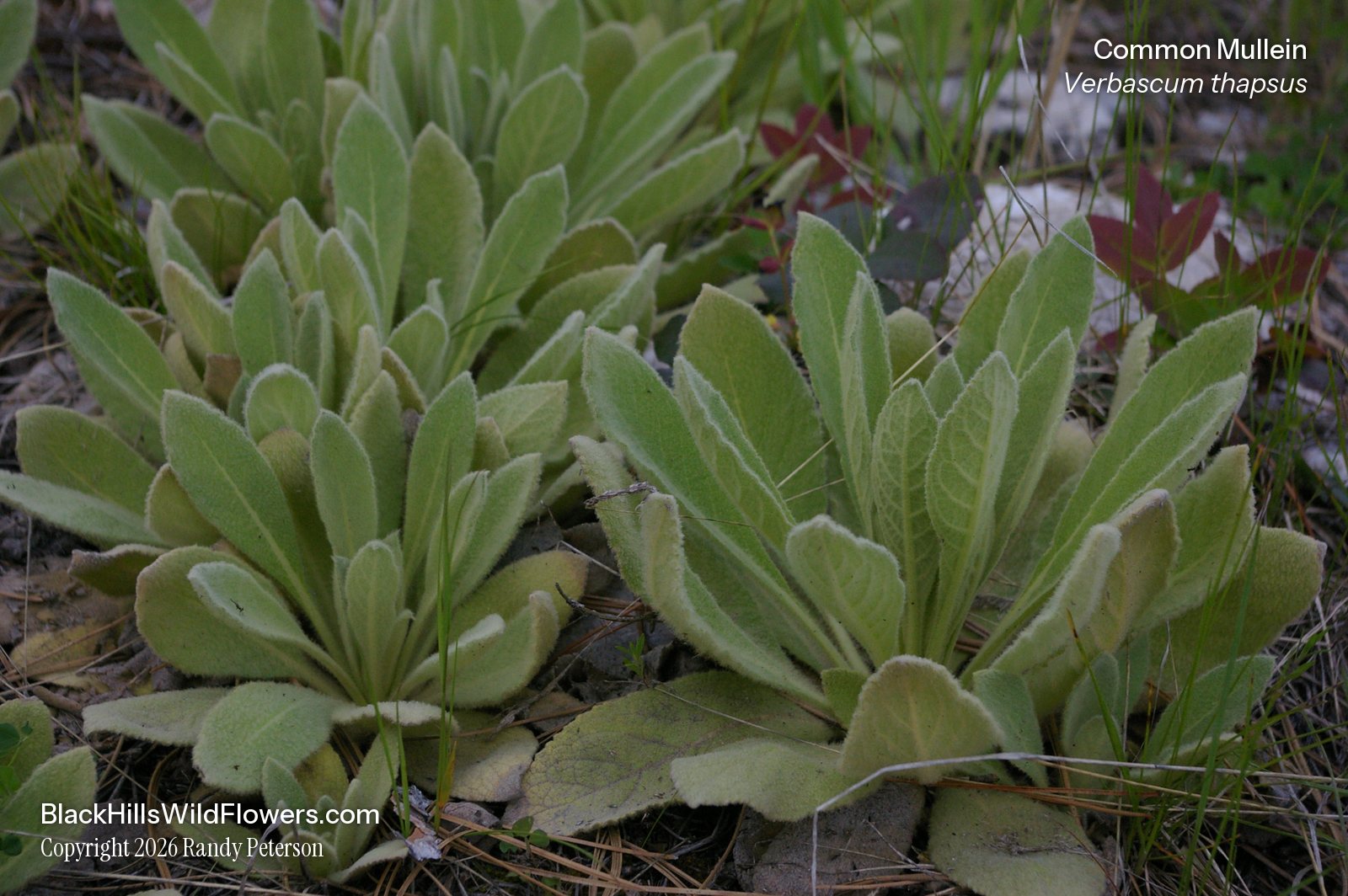
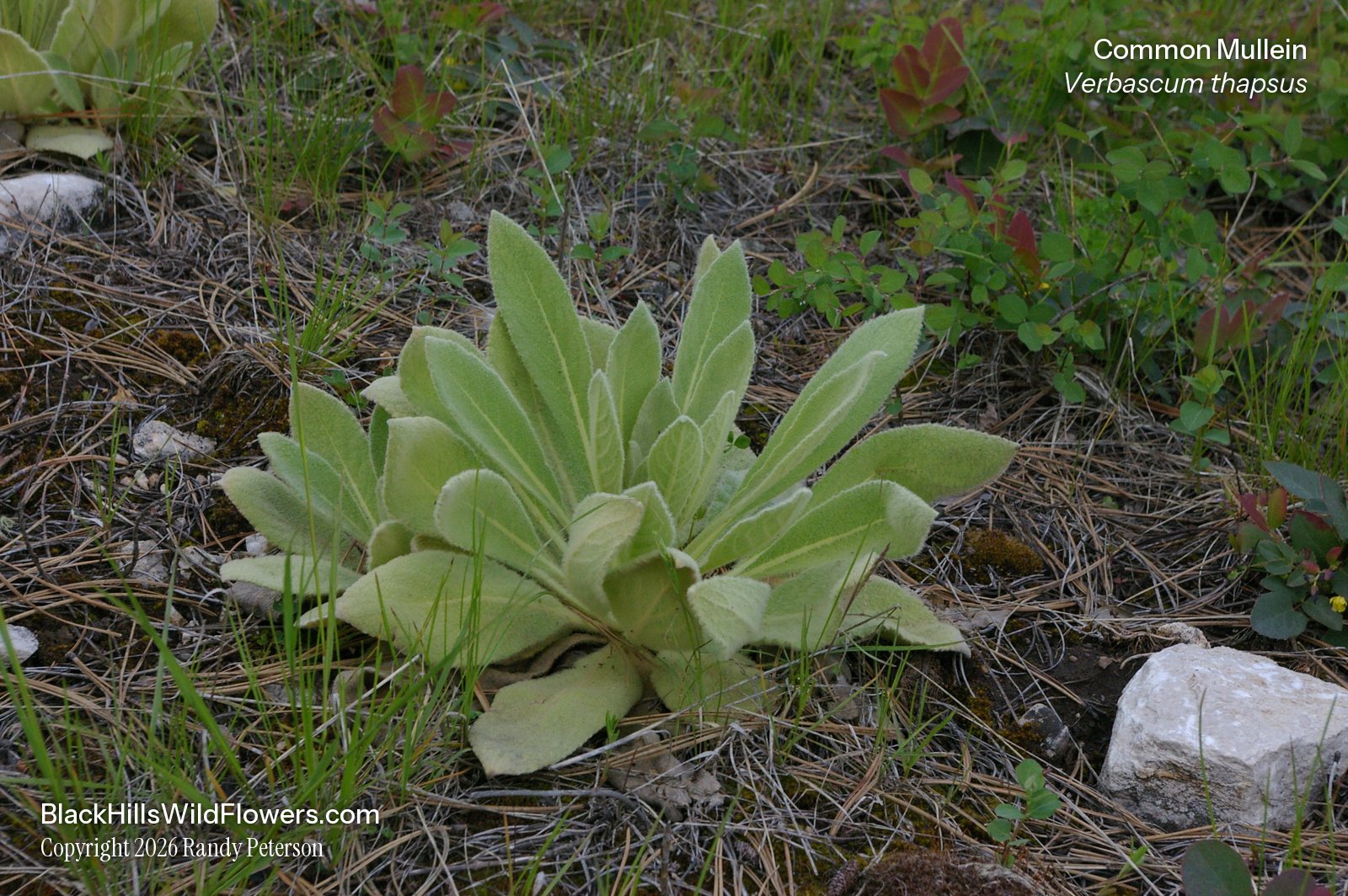
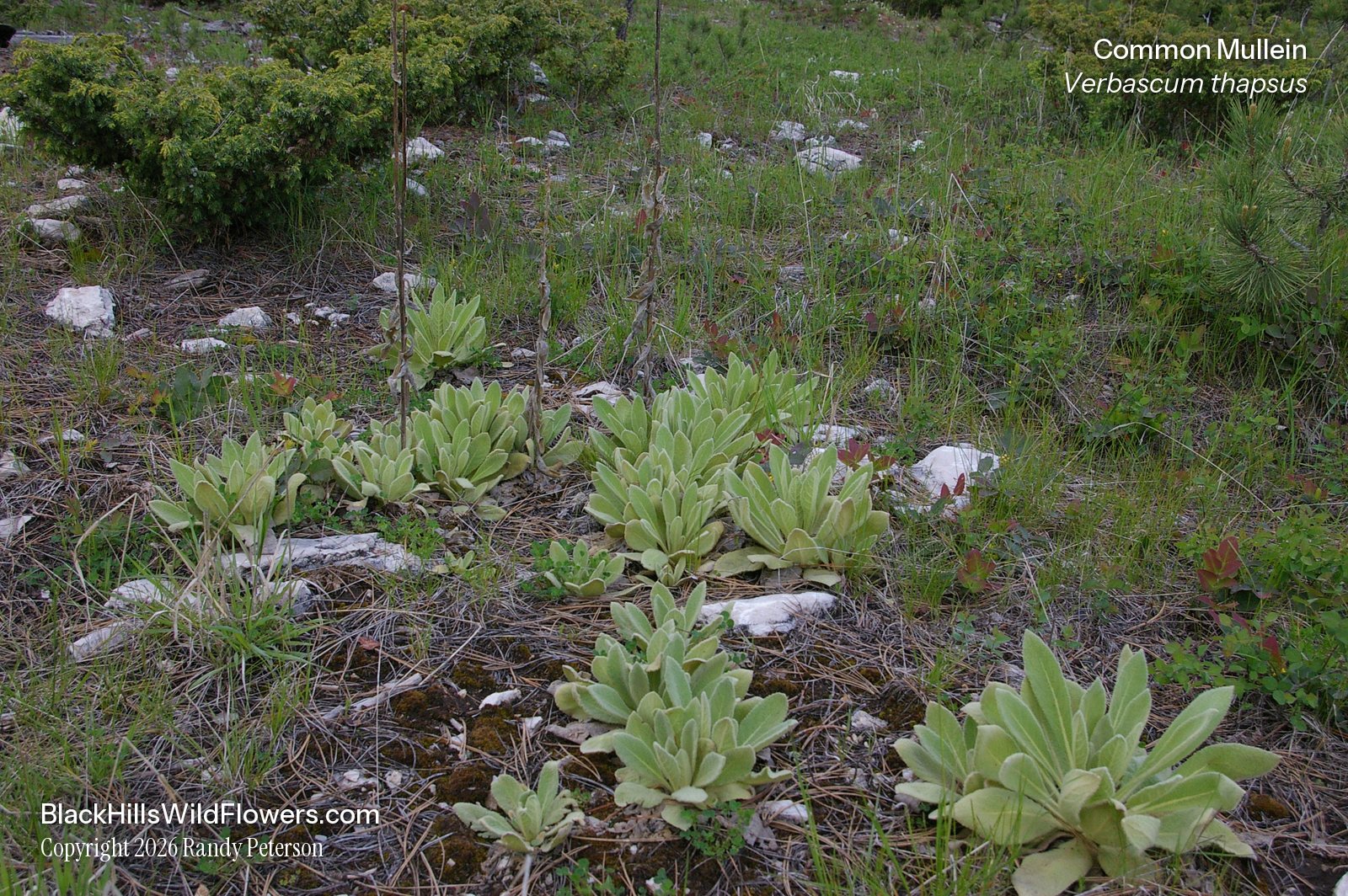
In the first year, look for a rosette of big, velvety leaves, up to 50 cm long, with no flowering stem. In the second year, a single stout, woolly stem rises from it, ending in a dense spike of five-petaled yellow flowers up to 60 cm long.
When does it bloom?
June through August.
Where does it grow?
Disturbed, open sites such as roadsides, fields, clearings and waste areas, in well-drained soil and full sun. It is especially abundant on overgrazed sites in South Dakota, and it can form dense patches after fire. The 1986 Jewel Cave survey lists it.
Other flowers to compare
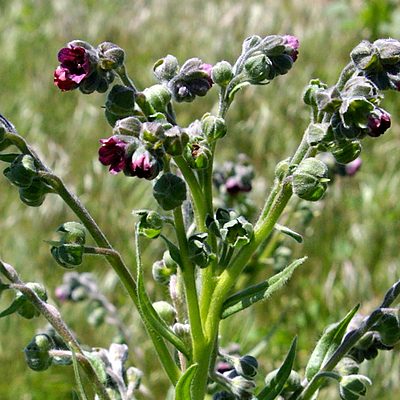
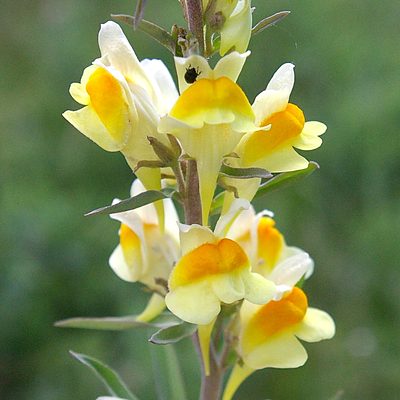
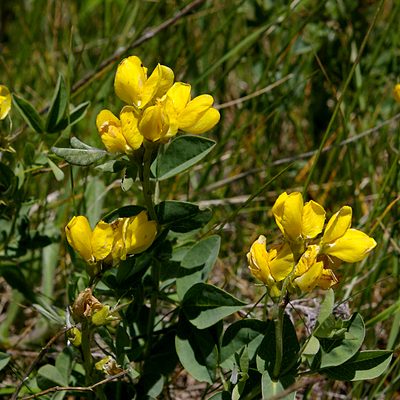
Sources: SDSU Open PRAIRIE: Verbascum thapsus; Fire Effects Information System: Verbascum thapsus; Minnesota Wildflowers: Common Mullein; South Dakota DANR: Common Mullein; South Dakota DANR: Locally Noxious Weed Pest List; Custer County, SD: Noxious Weeds; National Park Service, Devils Tower National Monument: Native Plants; Marriott and Hartman 1986, A Survey of the Vegetation of Jewel Cave National Monument; Culturally Important Plants of the Lakota (Black Elk and Flying By, Sitting Bull College, 1998), filed with the South Dakota PUC.