Wild Four O'Clock Mirabilis nyctaginea
Also called Heartleaf Four O'Clock, Umbrellawort, Prairie Four O'Clock, poíphiye (Lakota), caŋȟlóǧaŋ waštémna (Lakota)
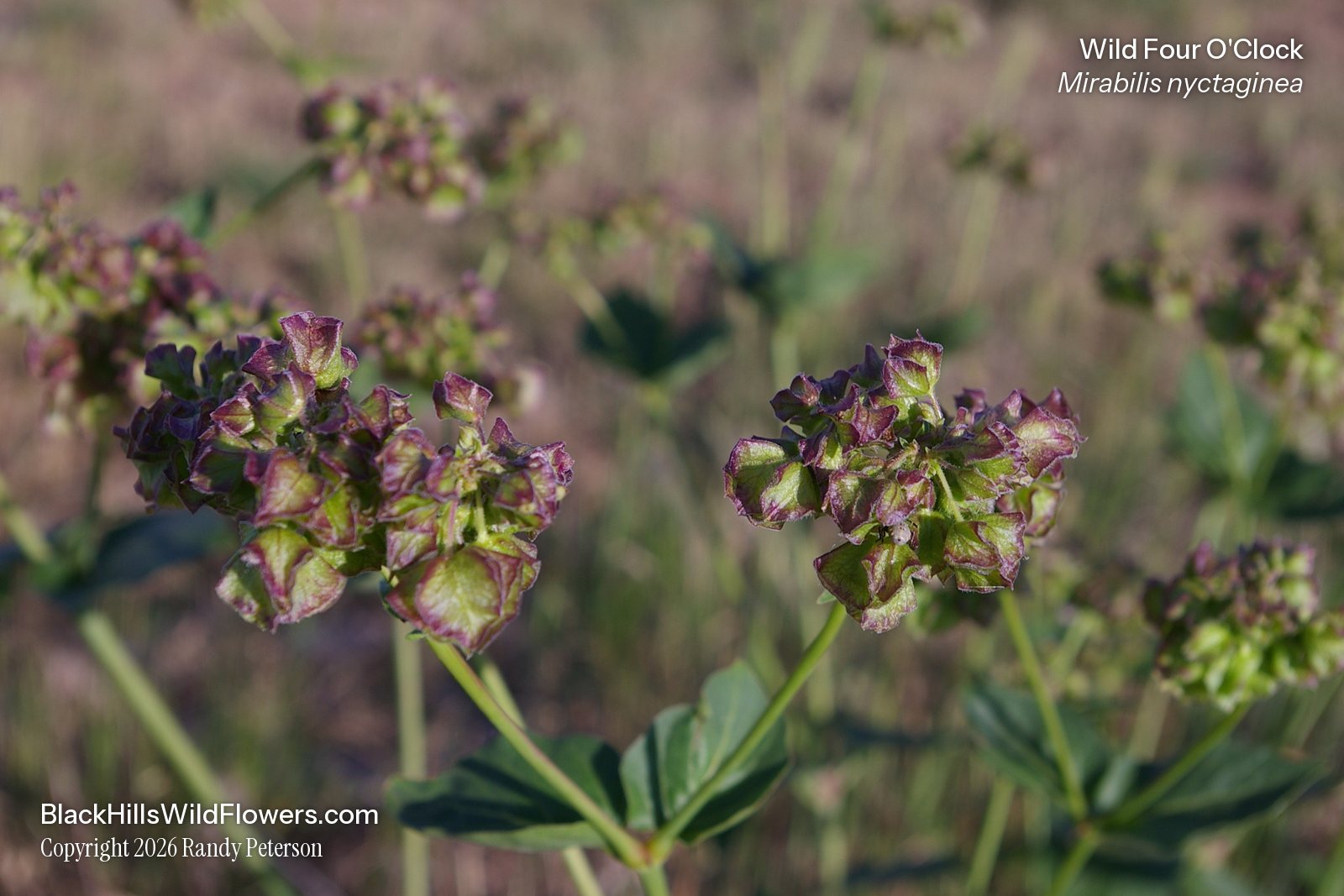
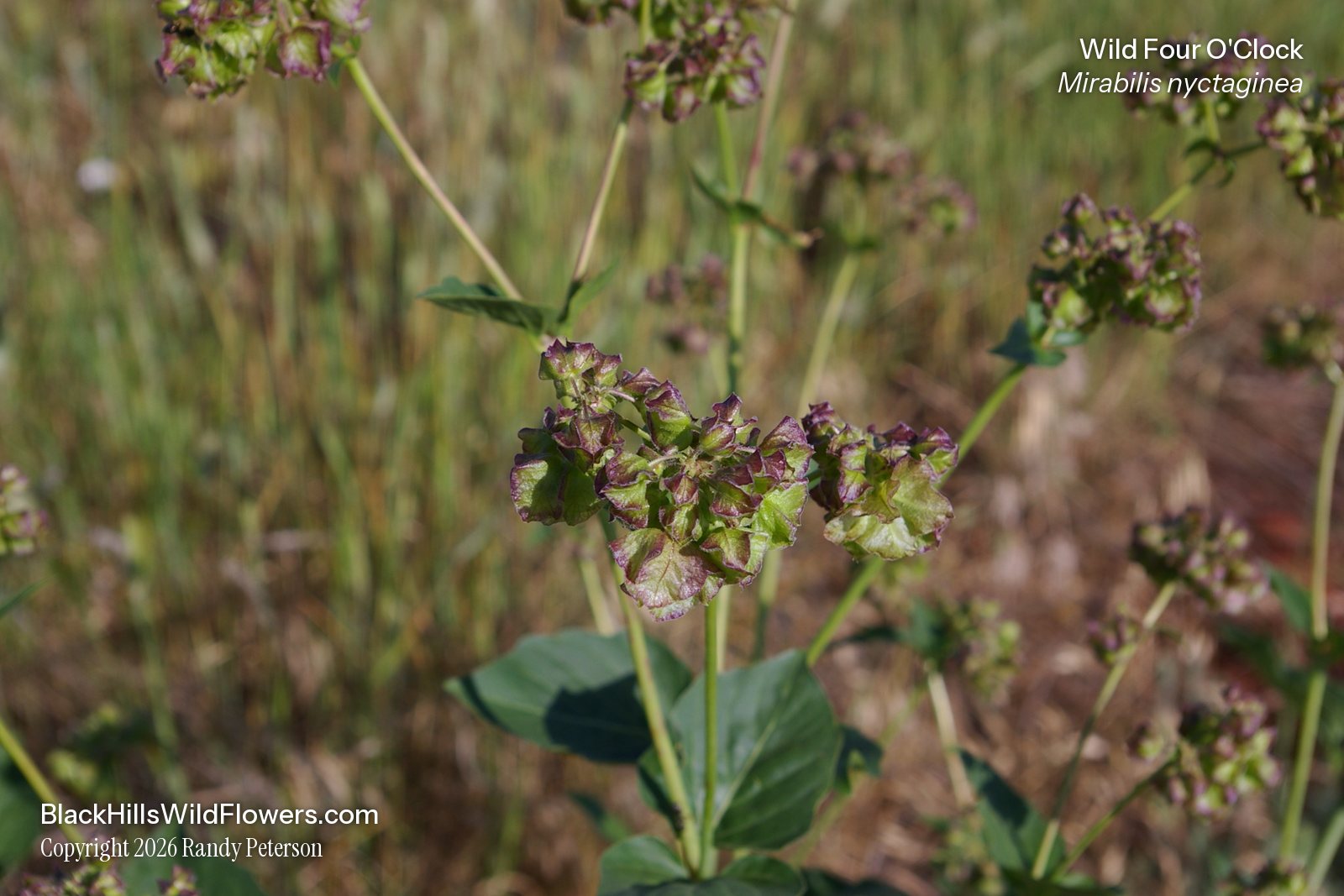
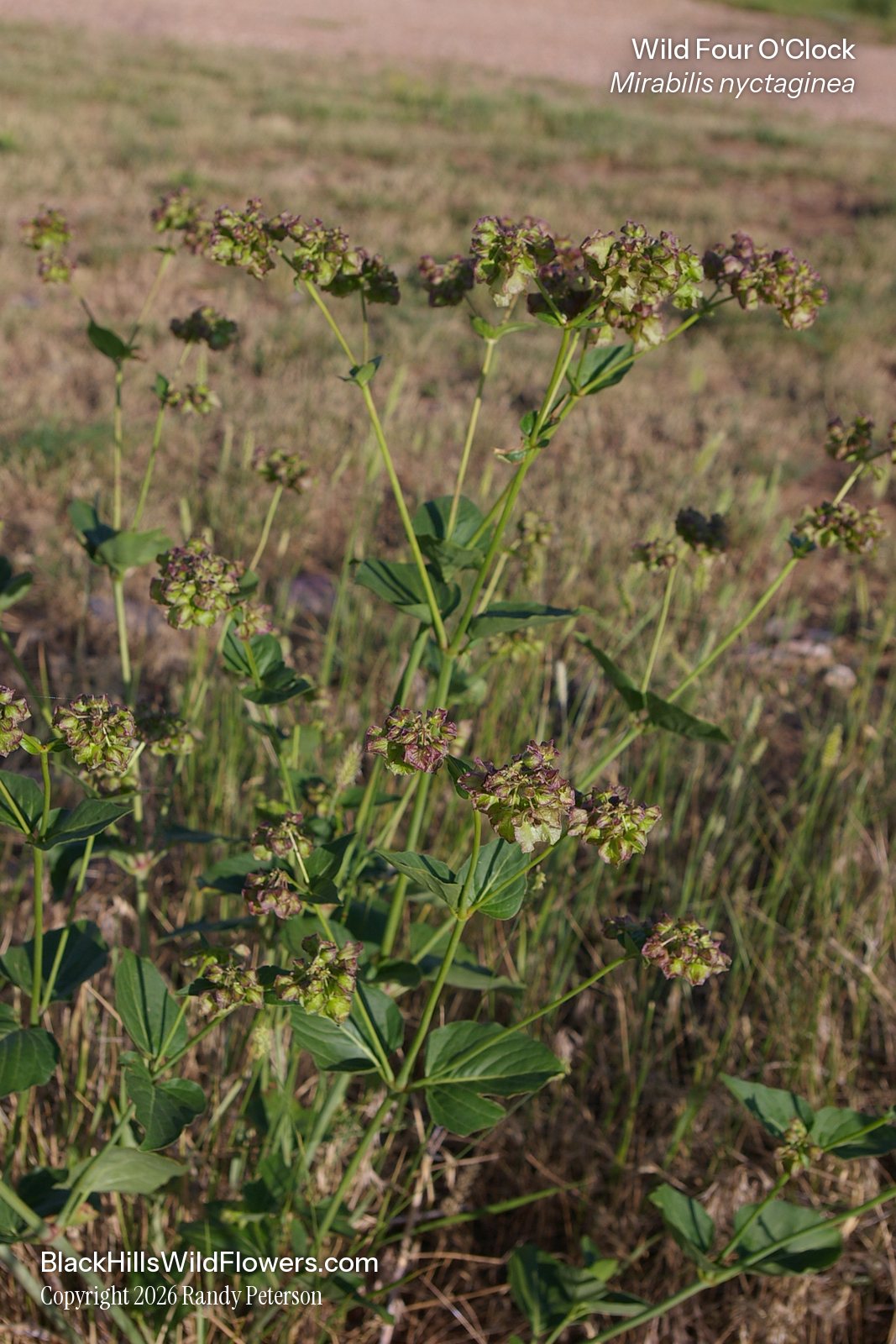
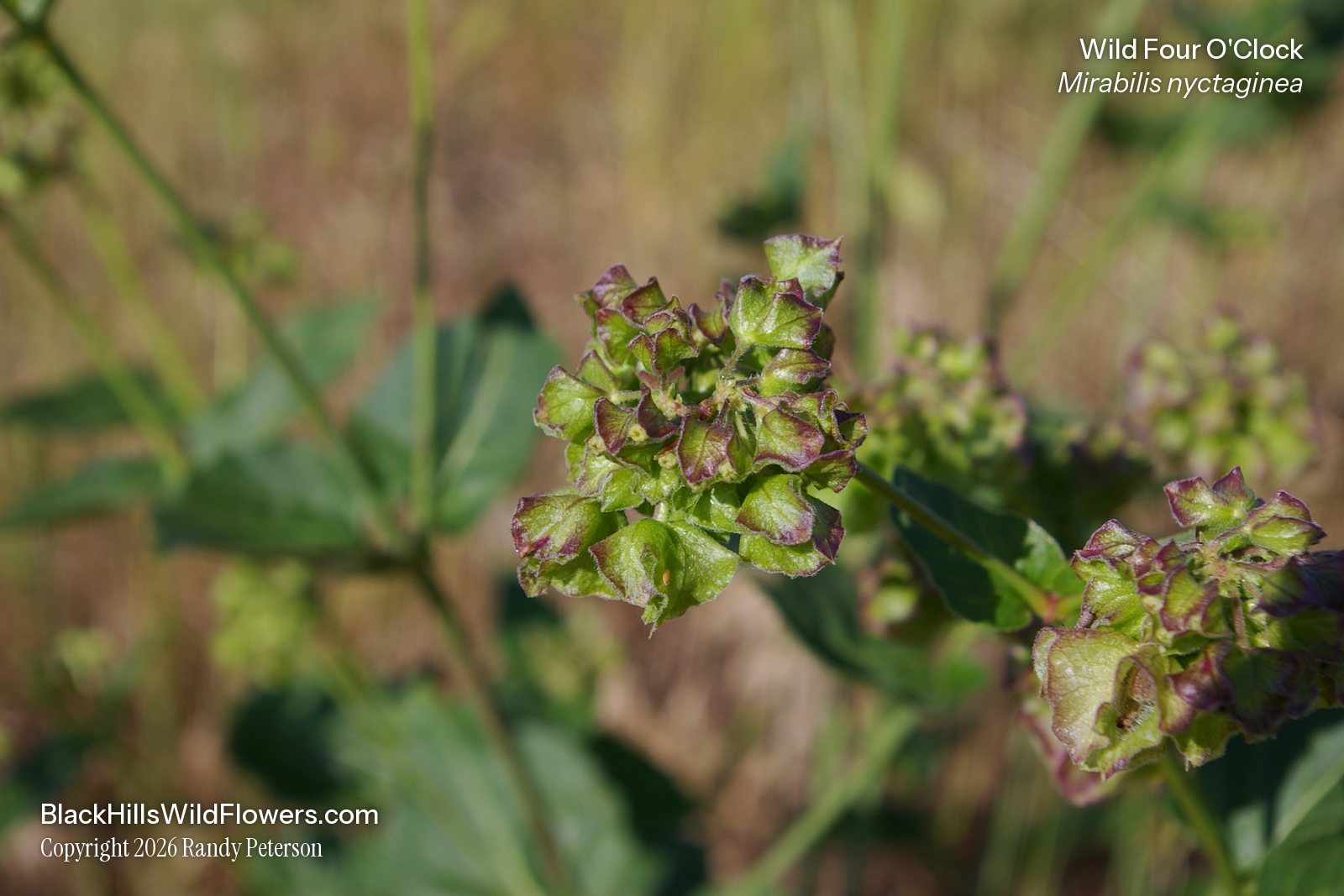
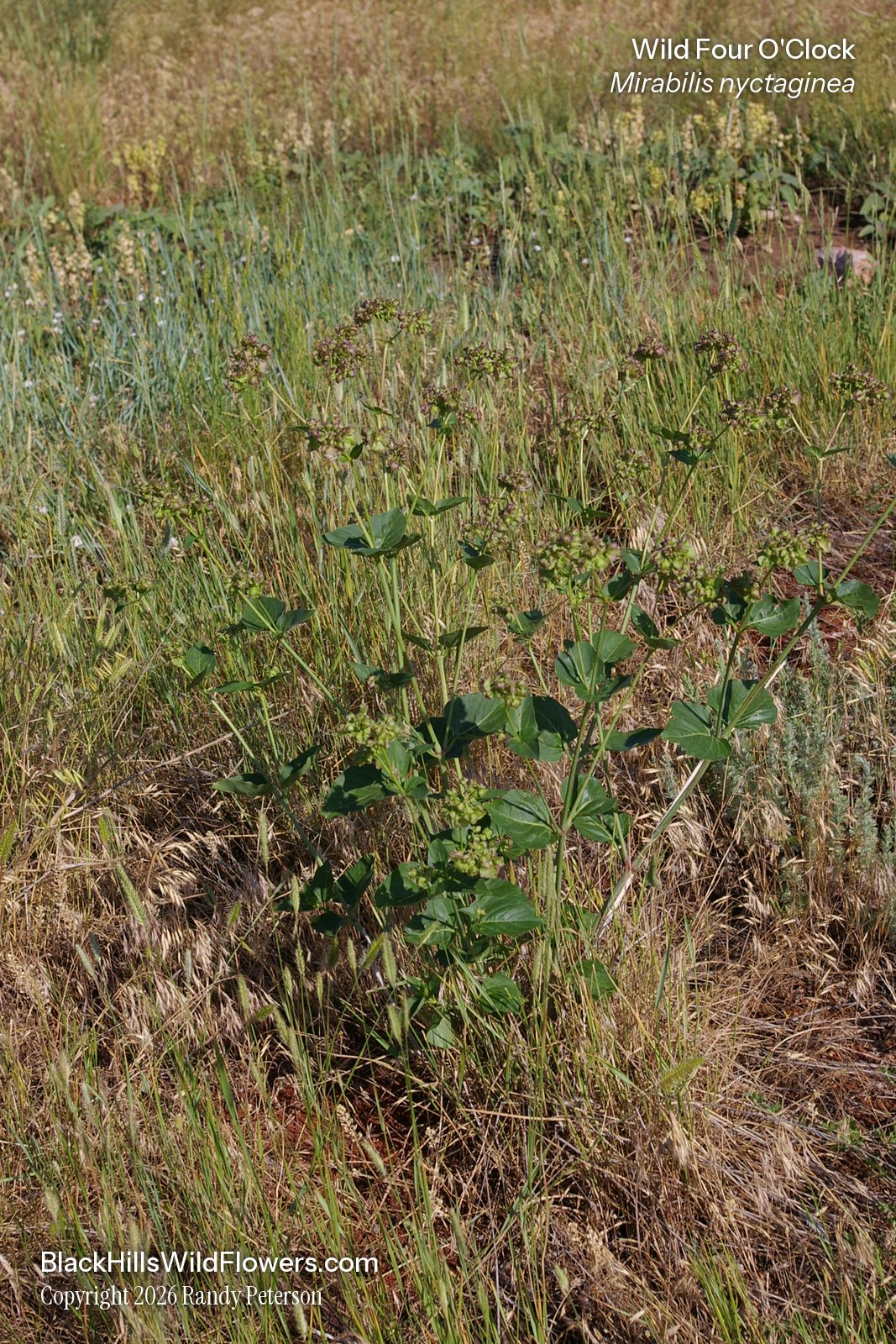
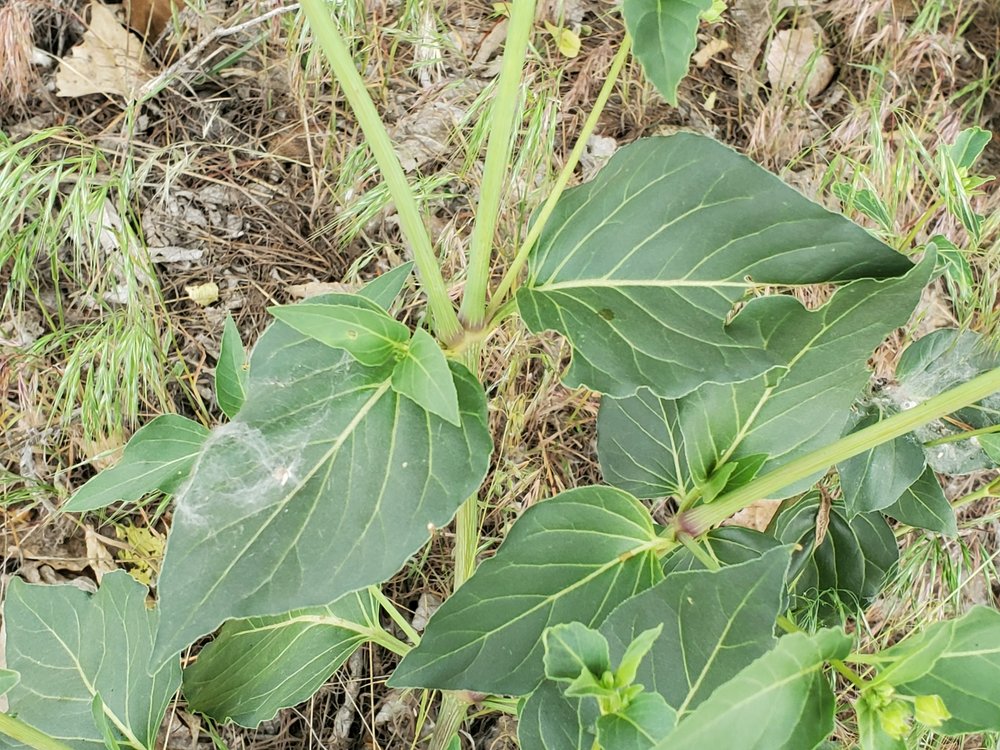
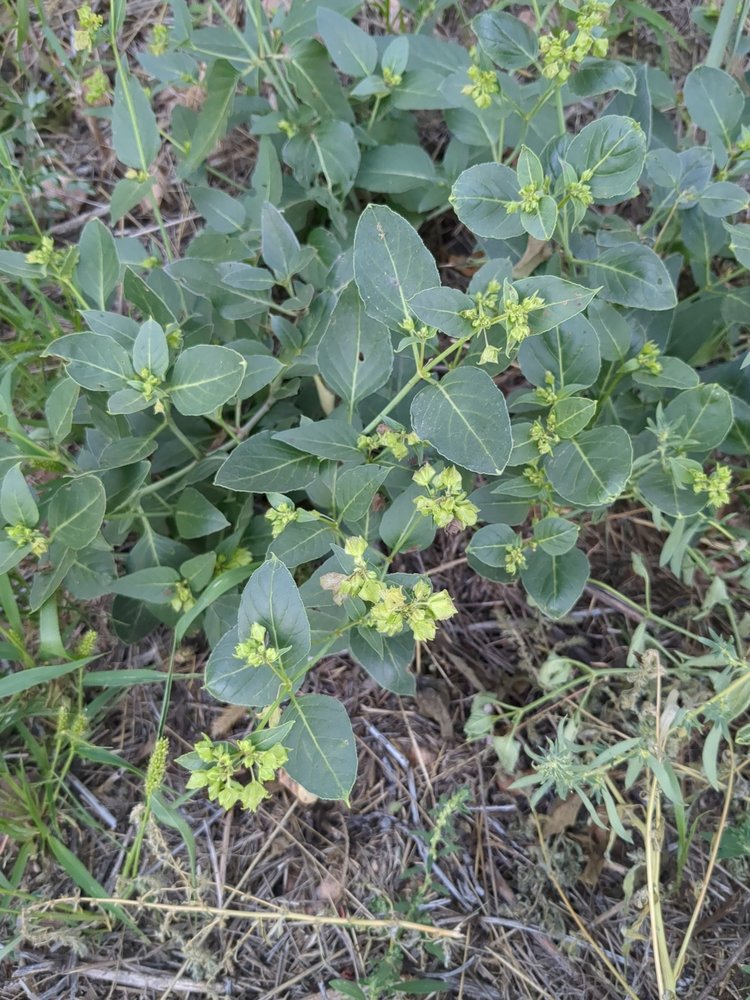
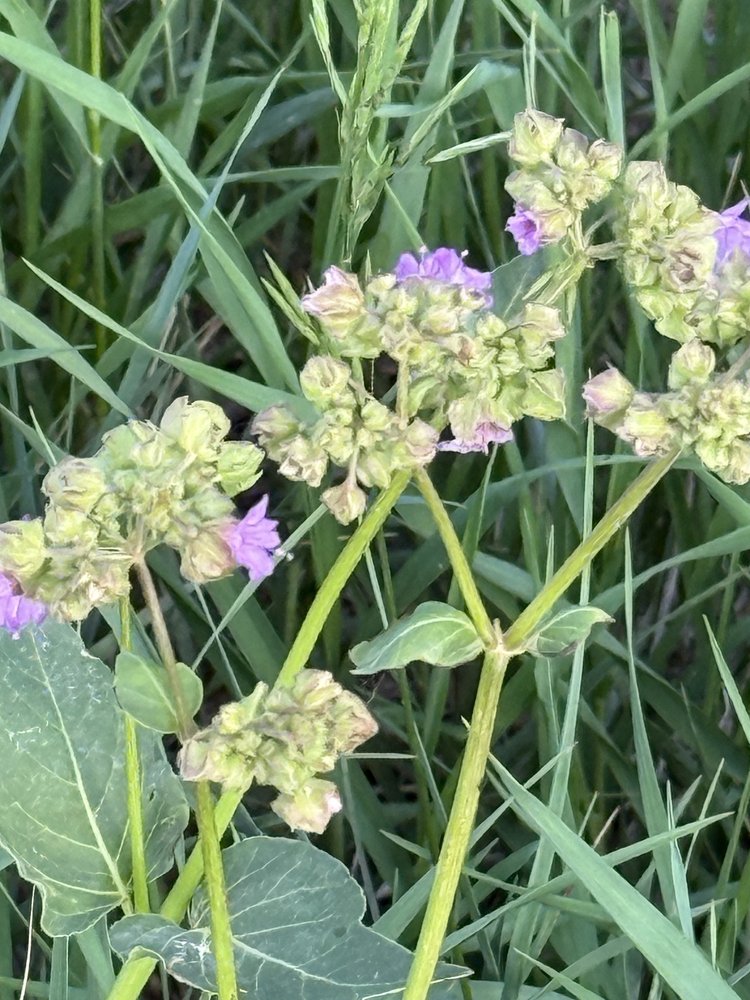
Wild Four O'Clock (Mirabilis nyctaginea) is a native perennial of roadsides, dry disturbed ground and woodland edges, 30–120 cm (12–48 in) tall, with forked stems, opposite heart-shaped leaves and, from June into September, small pink to magenta flowers that sit, usually three together, in a green cup and open in late afternoon. After the flowers drop, the cups grow larger and dry to light greenish brown around the hard, hairy, ribbed fruits. In the Black Hills the National Park Service lists it at Wind Cave, Jewel Cave and Devils Tower, and herbarium specimens come from Lawrence, Pennington, Custer and Fall River counties and from Crook and Weston counties in Wyoming. Photographed in the Black Hills.
Free photos from other sources
| Family | Nyctaginaceae · Four o'clock |
|---|---|
| Status | Native perennial |
| Blooms | June into September; Black Hills herbarium specimens were in flower from late June to mid-September, and the Minnesota and Kansas guides start it in May |
| Height | 30–120 cm (12–48 in) |
| Where | Roadsides, dry disturbed ground, prairie, woodland edges and thickets |
| Also called | Heartleaf Four O'Clock, Umbrellawort, Prairie Four O'Clock, poíphiye (Lakota), caŋȟlóǧaŋ waštémna (Lakota) |
| Synonym | Allionia nyctaginea, Oxybaphus nyctagineus |
| Traditional use | Black Elk and Flying By record that the Lakota boiled the roots with Purple Coneflower roots to kill intestinal worms, boiled the root for fever, and used a poultice of the whole plant for swellings and broken bones. Gilmore recorded in 1919 that the Dakota took a root decoction for worms and fever and washed swollen limbs with it. |
Roots, seeds & germination
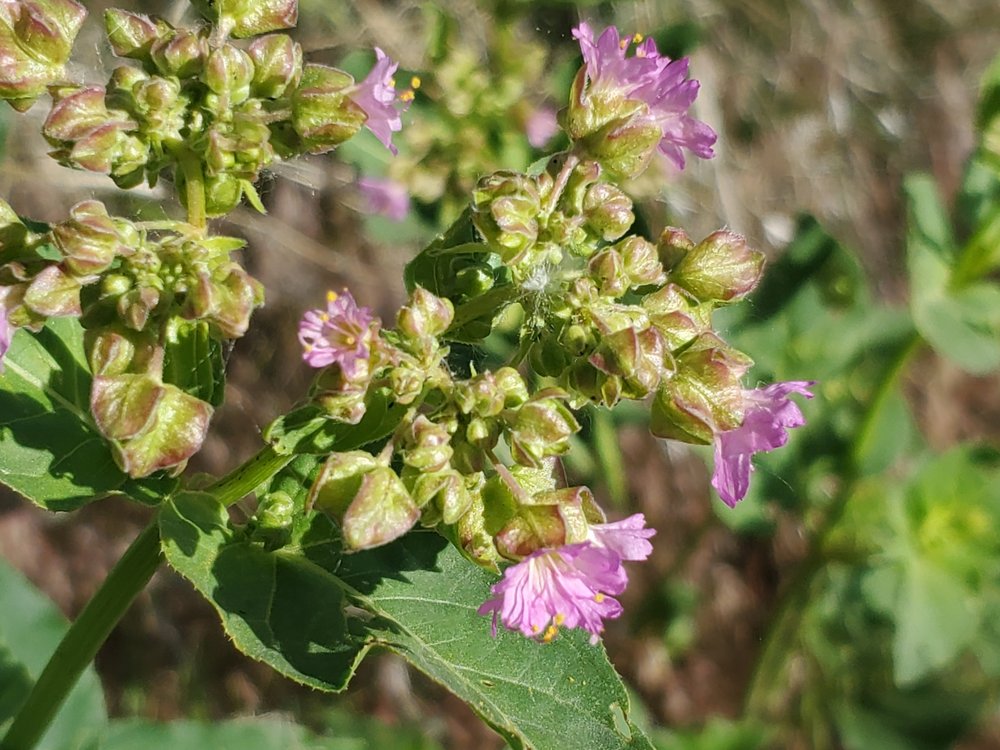
Seed: The fruit is hard, dark grayish brown to reddish brown, narrow and 3.4–5 mm long, covered in shaggy hairs, with five ribs that are deeply notched toward the tip. It sits in the cup, which grows to 8–15 mm and dries, overhanging the fruits like an umbrella; that is where the name umbrellawort comes from.
Germination: The Wildflower Center says it is easy to grow from seed in well-drained soil and freely seeds itself.
How do you identify Wild Four O'Clock?
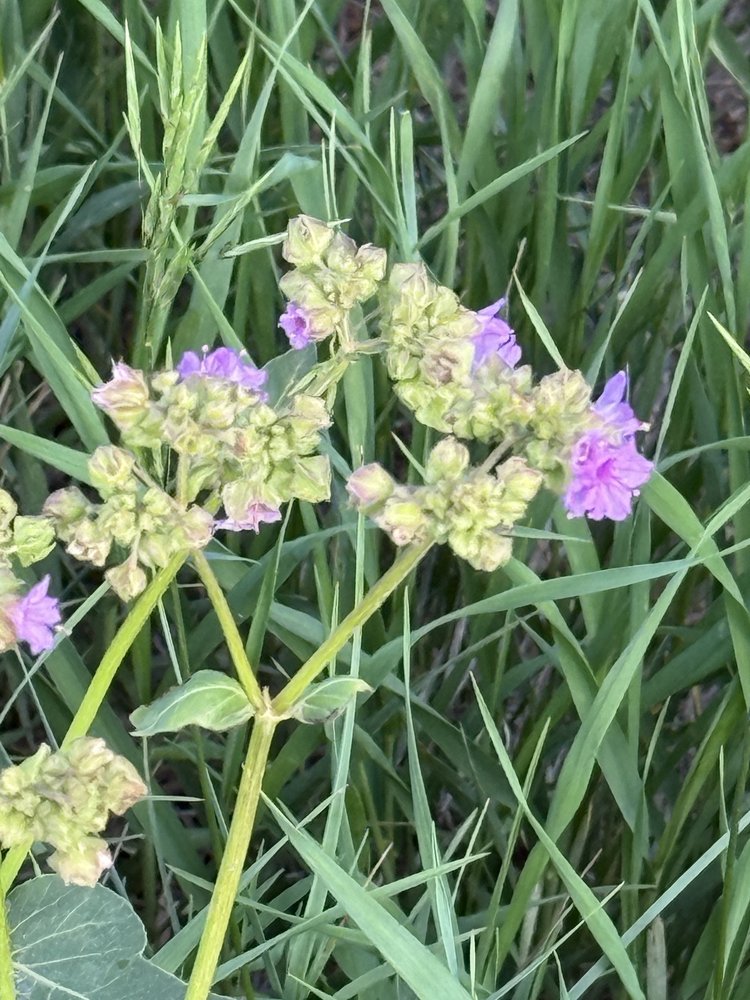
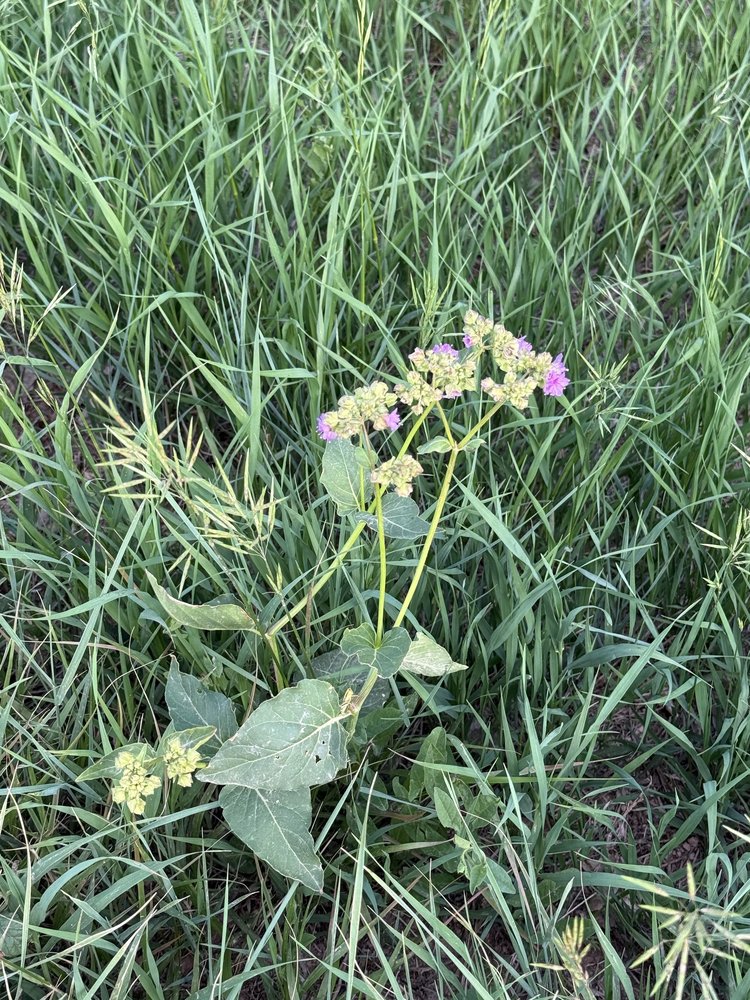
The flowers are small, about 1.3 cm (½ in) across, pale pink to deep magenta and rarely white, with five notched lobes joined into a short tube and three to five long pink stamens with yellow tips. Usually three of them sit together in a pale green, often pink-tinged, bell-shaped cup, and the cups are gathered in flattish clusters at the ends of long forked branches and in the upper leaf axils. The flowers open in late afternoon and close before noon the next day. The leaves are opposite, on short stalks, oval to triangular with a heart-shaped or flat base, 3–10 cm (1–4 in) long, and mostly hairless. The stems are erect, 40–150 cm, forking openly above, ridged low down, with swollen joints that are often tinged red. In fruit each cup grows to 8–15 mm, dries light greenish brown and spreads like a small umbrella over the hard, hairy, five-ribbed fruits. Hairy Four O'Clock (Mirabilis albida) has very similar flowers but is usually densely hairy all over; it is on the Mount Rushmore plant list.
When does it bloom?
June into September; Black Hills herbarium specimens were in flower from late June to mid-September, and the Minnesota and Kansas guides start it in May.
Where does it grow?
Dry, often disturbed ground: roadsides, fields, prairie, rock outcrops, woodland edges and thickets, on sandy, gravelly or limestone soil, from the plains up to about 2,200 m (7,200 ft). In the Black Hills the National Park Service lists it at Wind Cave National Park, Jewel Cave National Monument and Devils Tower National Monument, and herbarium specimens from 1874 to 2018 come from Lawrence, Pennington, Custer and Fall River counties in South Dakota and Crook and Weston counties in Wyoming, including the Bear Lodge Mountains. Their labels describe dry soil along a railroad, waste ground, an open meadow, gravelly roadsides and the grassy, sunny banks of a creek; three give elevations of 1,070–1,250 m (3,500–4,100 ft). iNaturalist has 15 research-grade Black Hills records in Fall River, Custer, Pennington and Lawrence counties, including Wind Cave National Park and Custer State Park.
Sources: Flora of North America Vol. 4: Mirabilis nyctaginea — eFloras; Mirabilis nyctaginea (Wild Four O'Clock) — Minnesota Wildflowers; Mirabilis nyctaginea, Wild four-o'clock — Kansas Wildflowers and Grasses; Mirabilis nyctaginea — Lady Bird Johnson Wildflower Center; NPSpecies checklist, Wind Cave National Park vascular plants — National Park Service; NPSpecies checklist, Jewel Cave National Monument vascular plants — National Park Service; NPSpecies checklist, Devils Tower National Monument vascular plants — National Park Service; NPSpecies checklist, Mount Rushmore National Memorial vascular plants — National Park Service; Occurrence search: Mirabilis nyctaginea herbarium specimens in the Black Hills — GBIF; Research-grade Mirabilis nyctaginea observations in the Black Hills — iNaturalist; Mirabilis nyctaginea — Native American Ethnobotany Database (BRIT); Culturally Important Plants of the Lakota (Black Elk and Flying By, 1998), entry 195 — South Dakota PUC docket HP14-001.