Heart-leaved Arnica
Arnica cordifolia
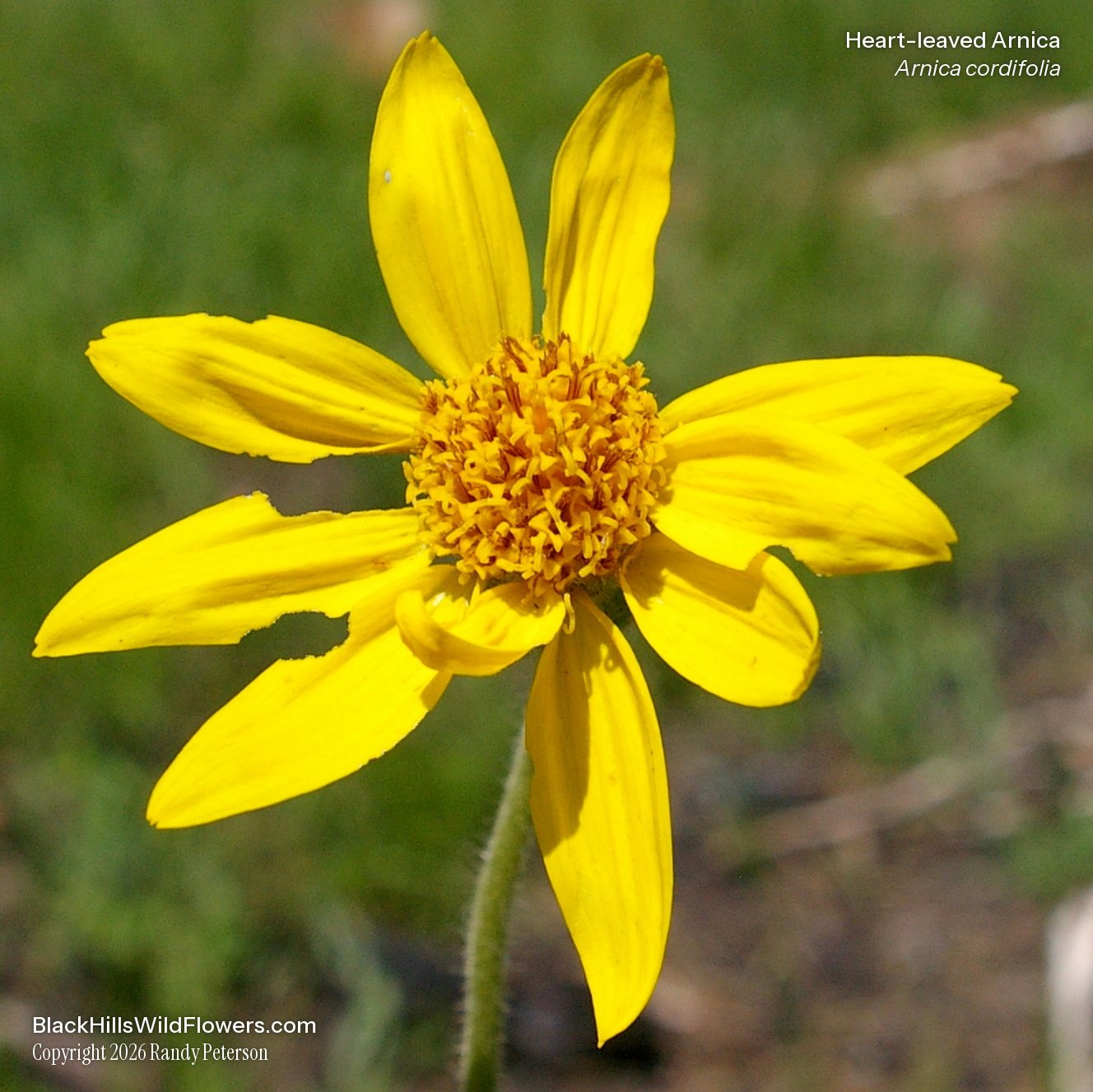
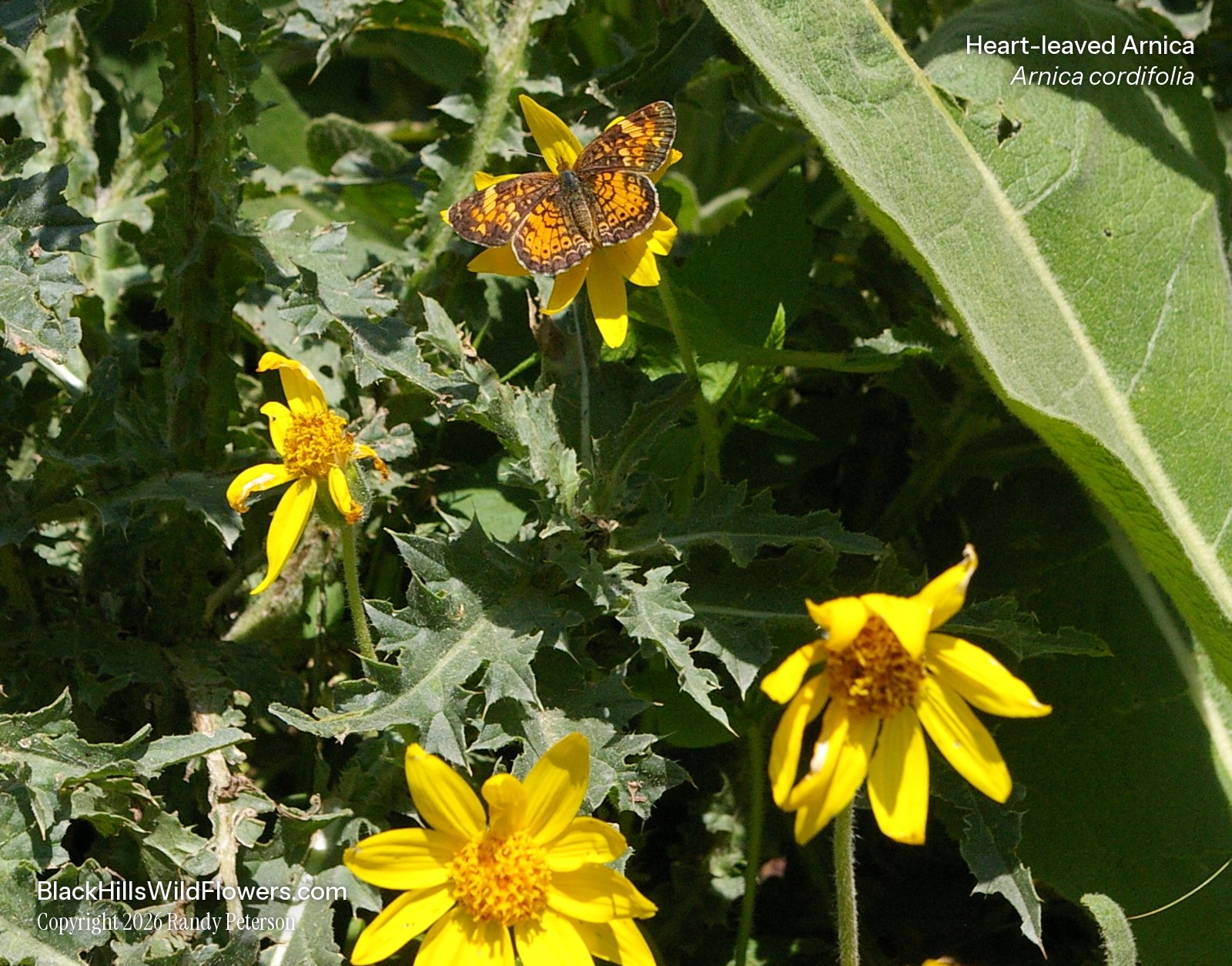
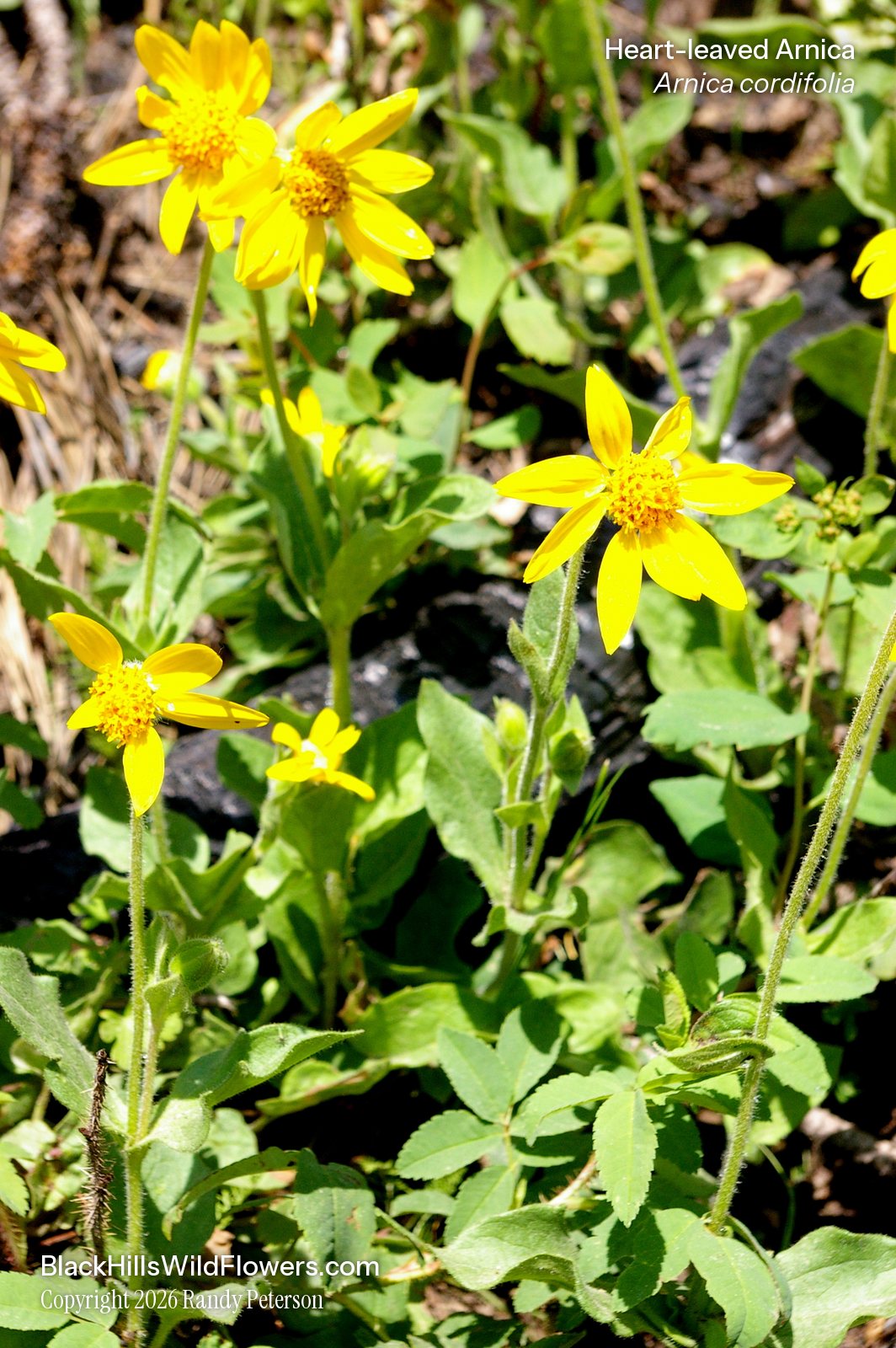
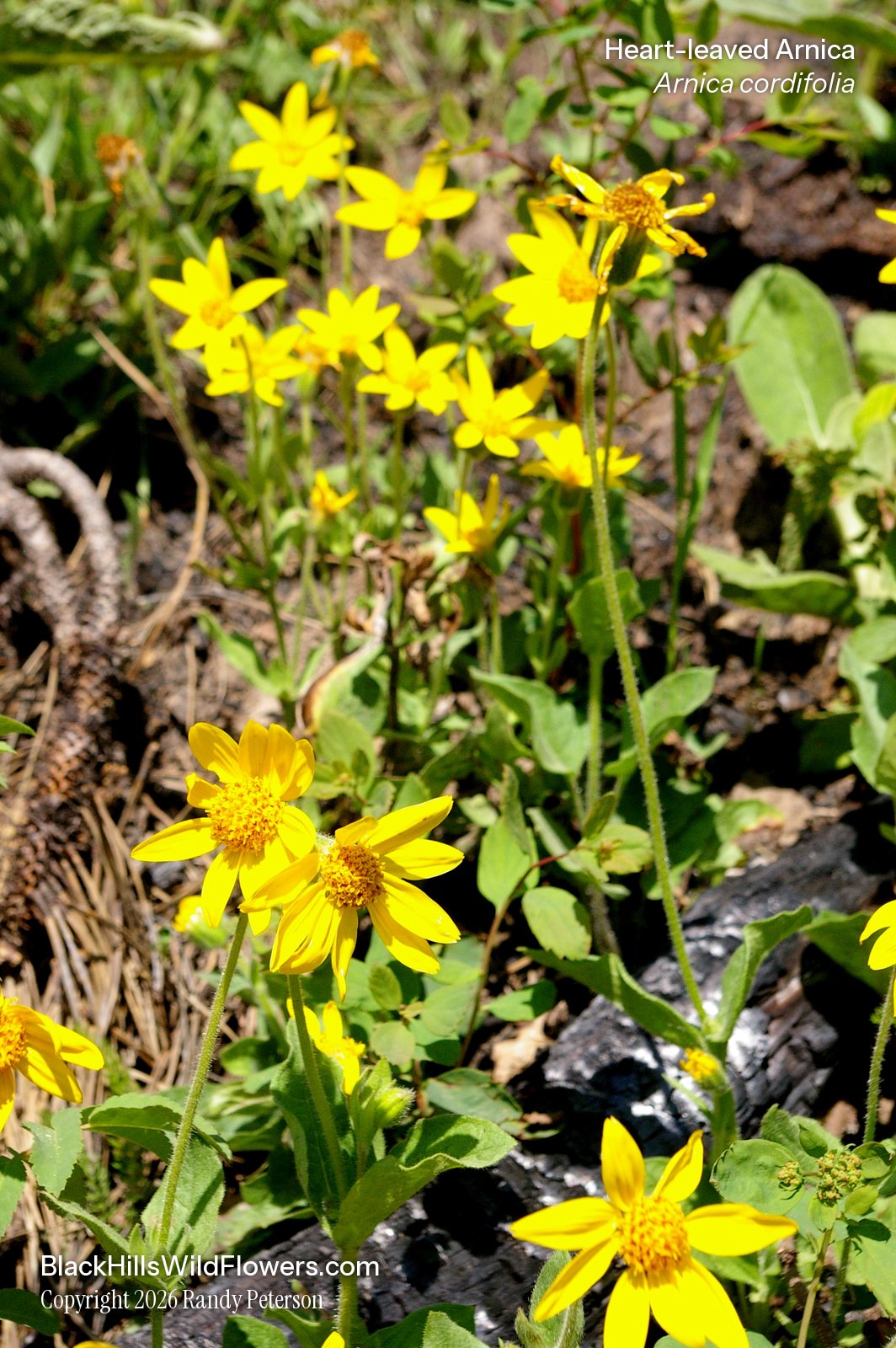
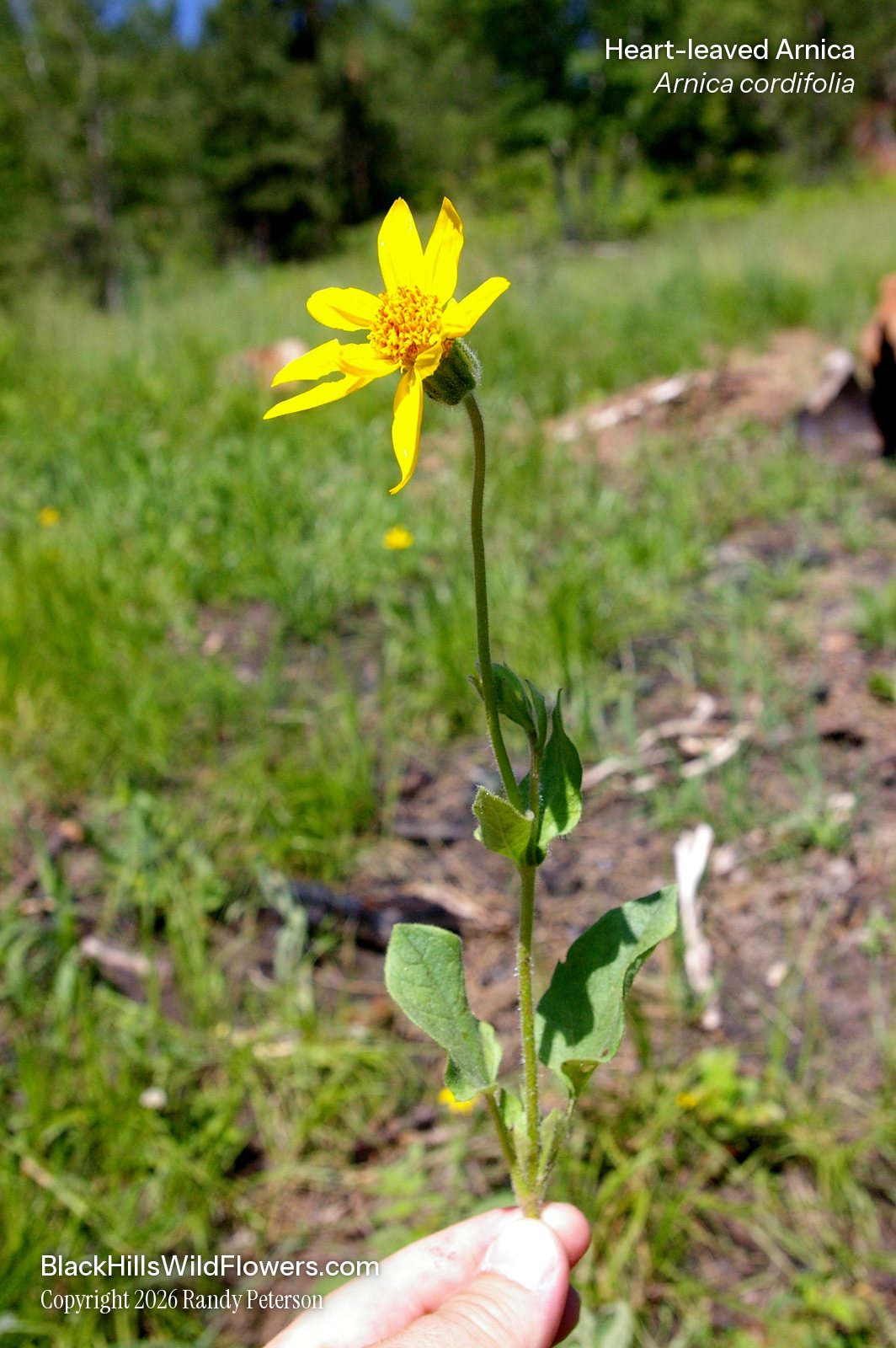
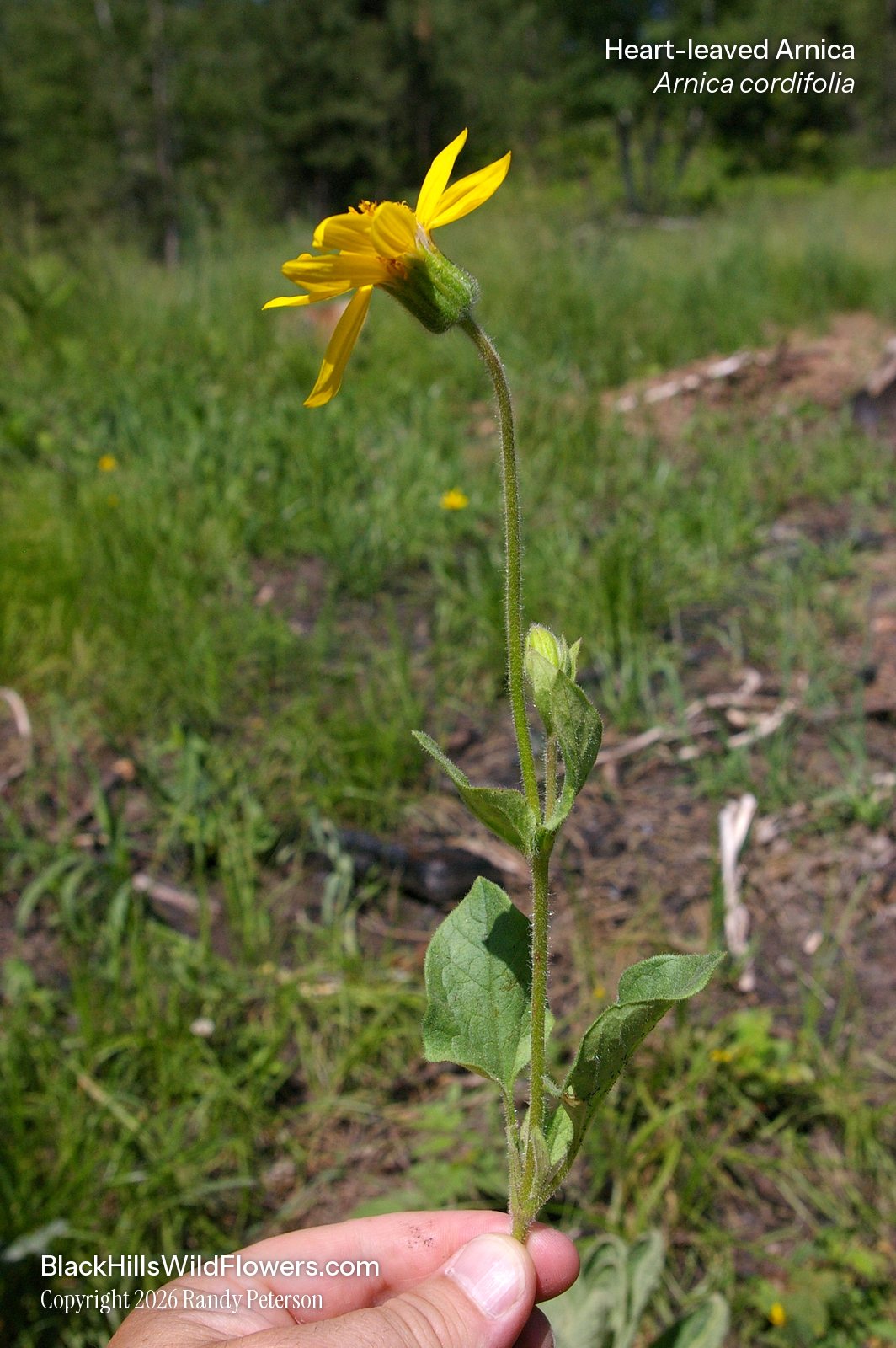
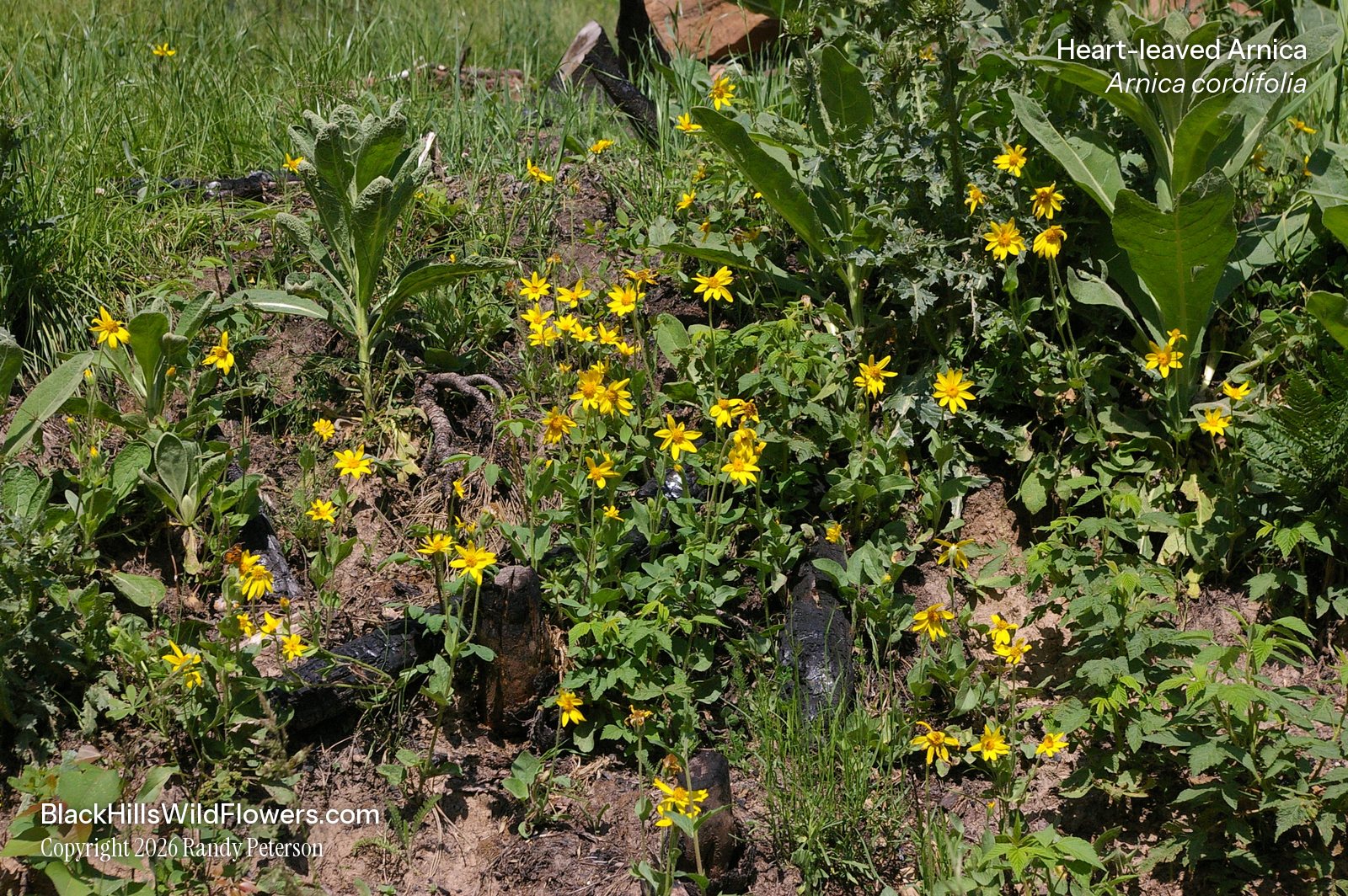
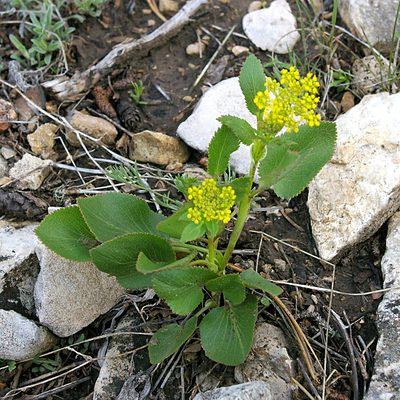
Heart-leaved Arnica (Arnica cordifolia) is a native perennial with soft, heart-shaped, toothed leaves and yellow daisy-like flower heads 5–9 cm (2–3½ in) wide. It grows at mid to high elevations on limestone in the northern Black Hills, and in South Dakota it blooms from May into August. Photographed in the Black Hills.
| Family | Asteraceae · Aster |
|---|---|
| Status | Native perennial |
| Blooms | May into August |
| Height | 15–60 cm (6–24 in) |
| Where | Limestone at mid to high elevations; open conifer forest |
| Also called | Heartleaf Arnica |
| Synonym | Arnica cordifolia var. pumila |
Roots, seeds & germination
Root: Long, slender, creeping rhizomes (underground stems) that run 1–2 cm below the soil surface and often survive fire.
Seed: Achenes (dry one-seeded fruits) 6–9 mm long with short hairs or glands, topped with long white barbed hairs that catch the wind. They ripen from late summer into fall.
Germination: Seed needs about 60 days of cold to break dormancy, so sowing outdoors in fall meets the need.
How do you identify Heart-leaved Arnica?
Look for 2 to 4 pairs of opposite leaves on the flowering stem, heart-shaped with toothed edges, long stalks and a soft feel. Each stem usually carries one head, sometimes two or three, with 10 to 15 yellow rays 15–30 mm long around a golden yellow center.
When does it bloom?
May into August.
Where does it grow?
Mid to high elevations on limestone in the northern Black Hills. Across its range it is common in open conifer forests, often on exposed, moderately dry mineral soil. In South Dakota it is found in the west.
Other flowers to compare

Sources: USDA Forest Service, Black Hills National Forest: Black Hills Native Plants; SDSU Open PRAIRIE: Arnica cordifolia; Forest Service Fire Effects Information System: Arnica cordifolia; Flora of North America: Arnica cordifolia; British Columbia native seed manual: Arnica cordifolia.