Curlycup Gumweed
Grindelia squarrosa
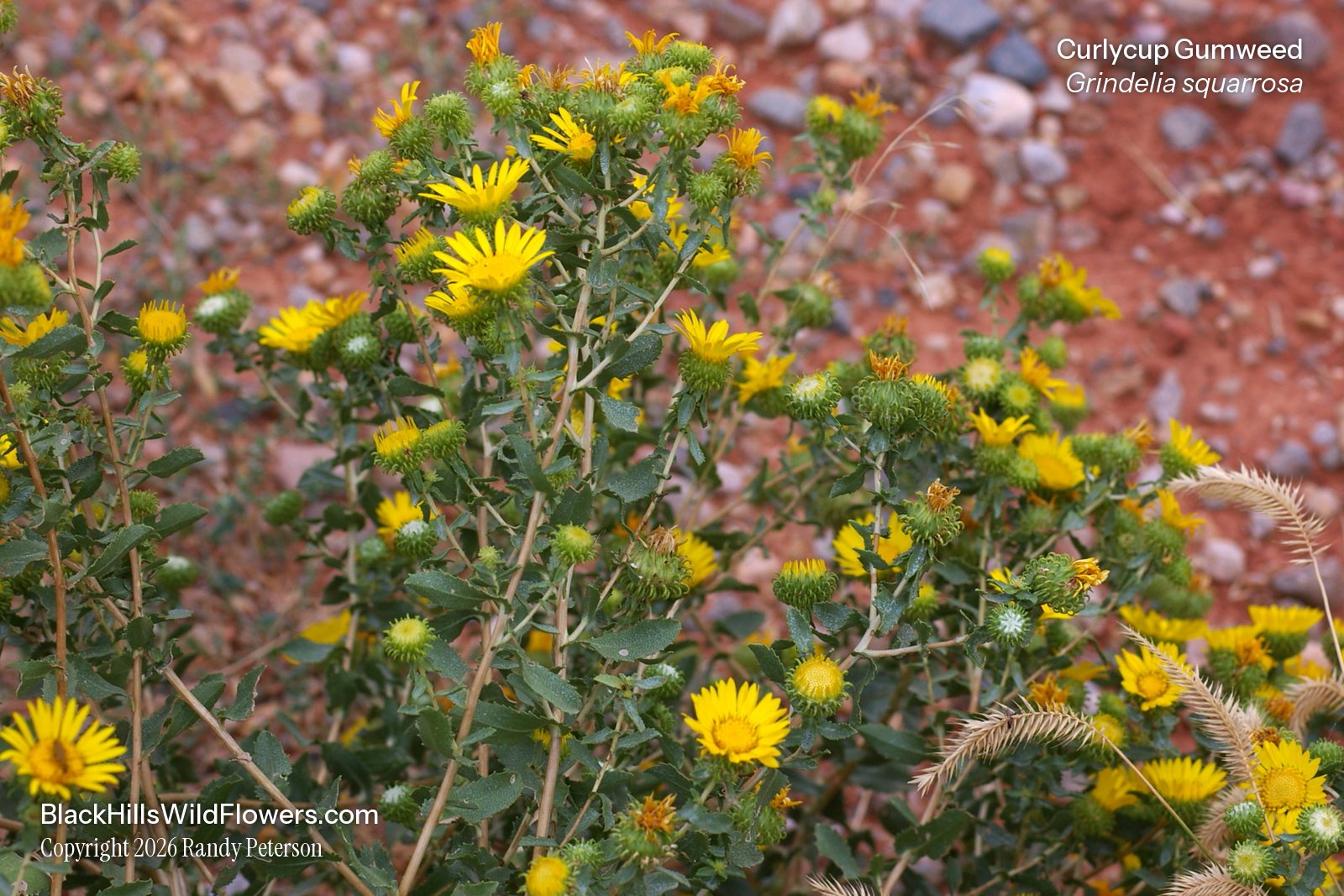
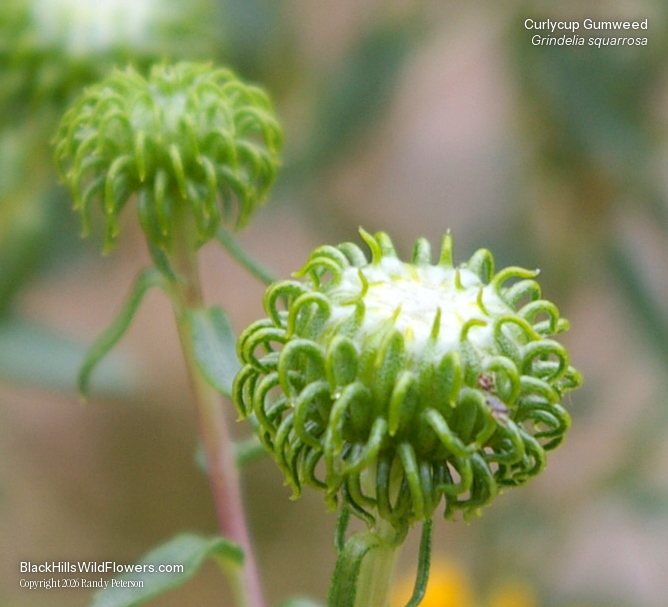
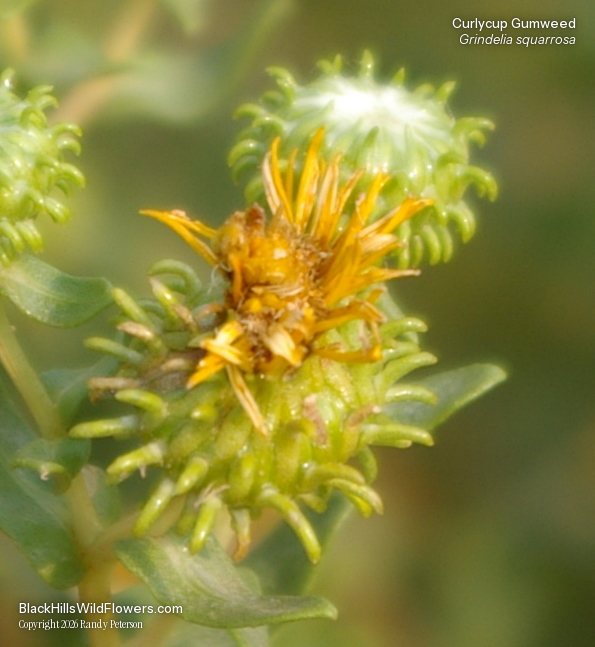
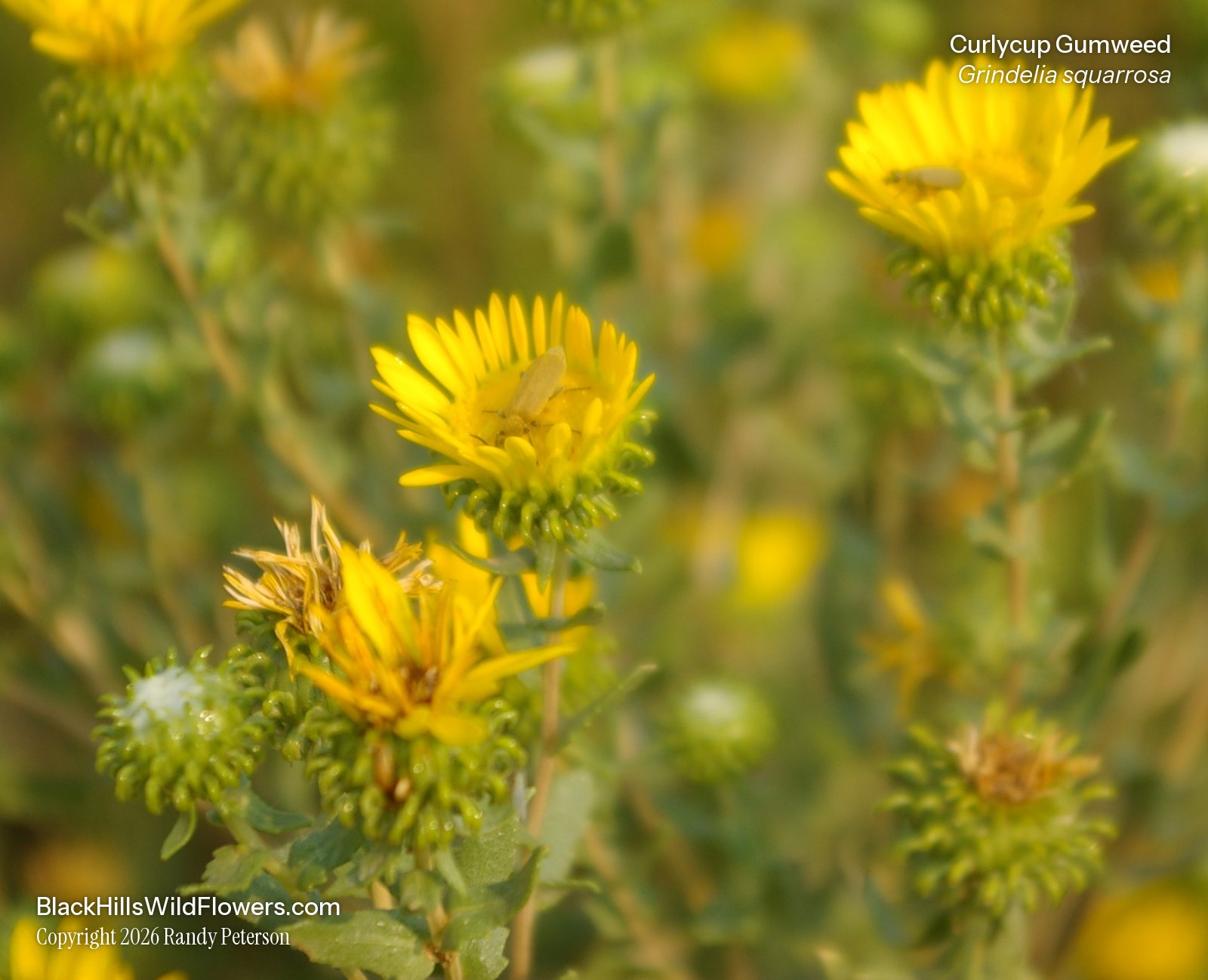
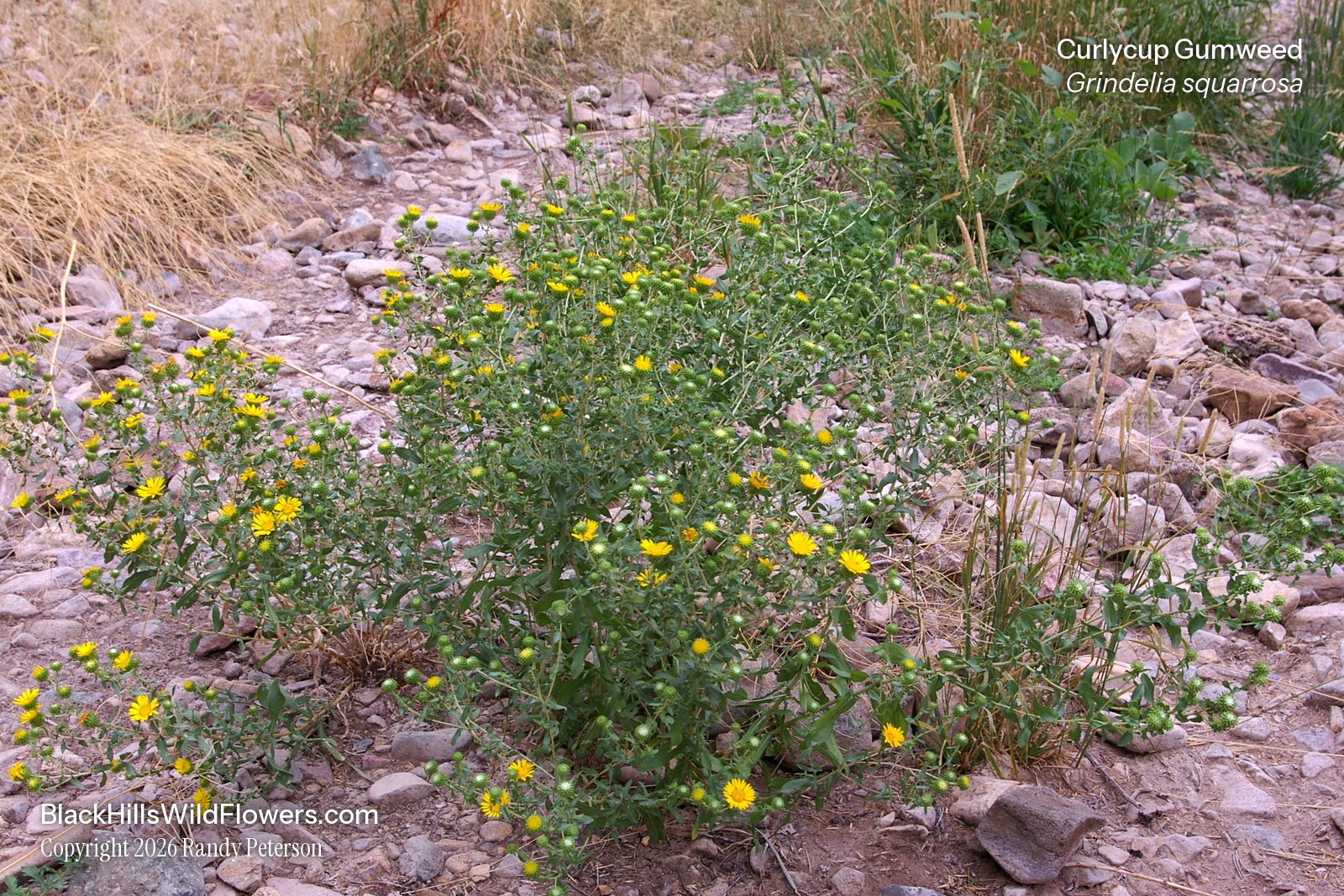
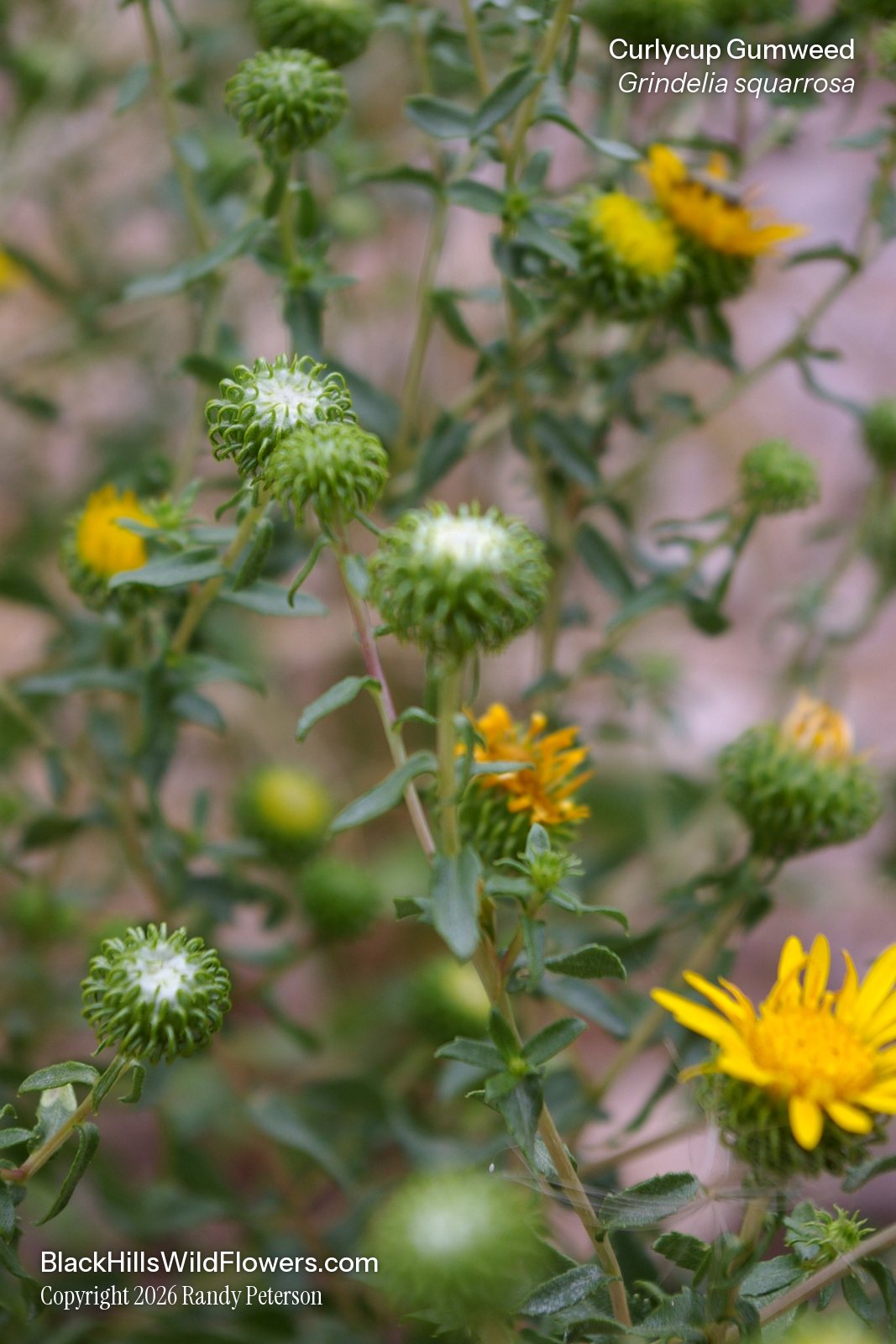
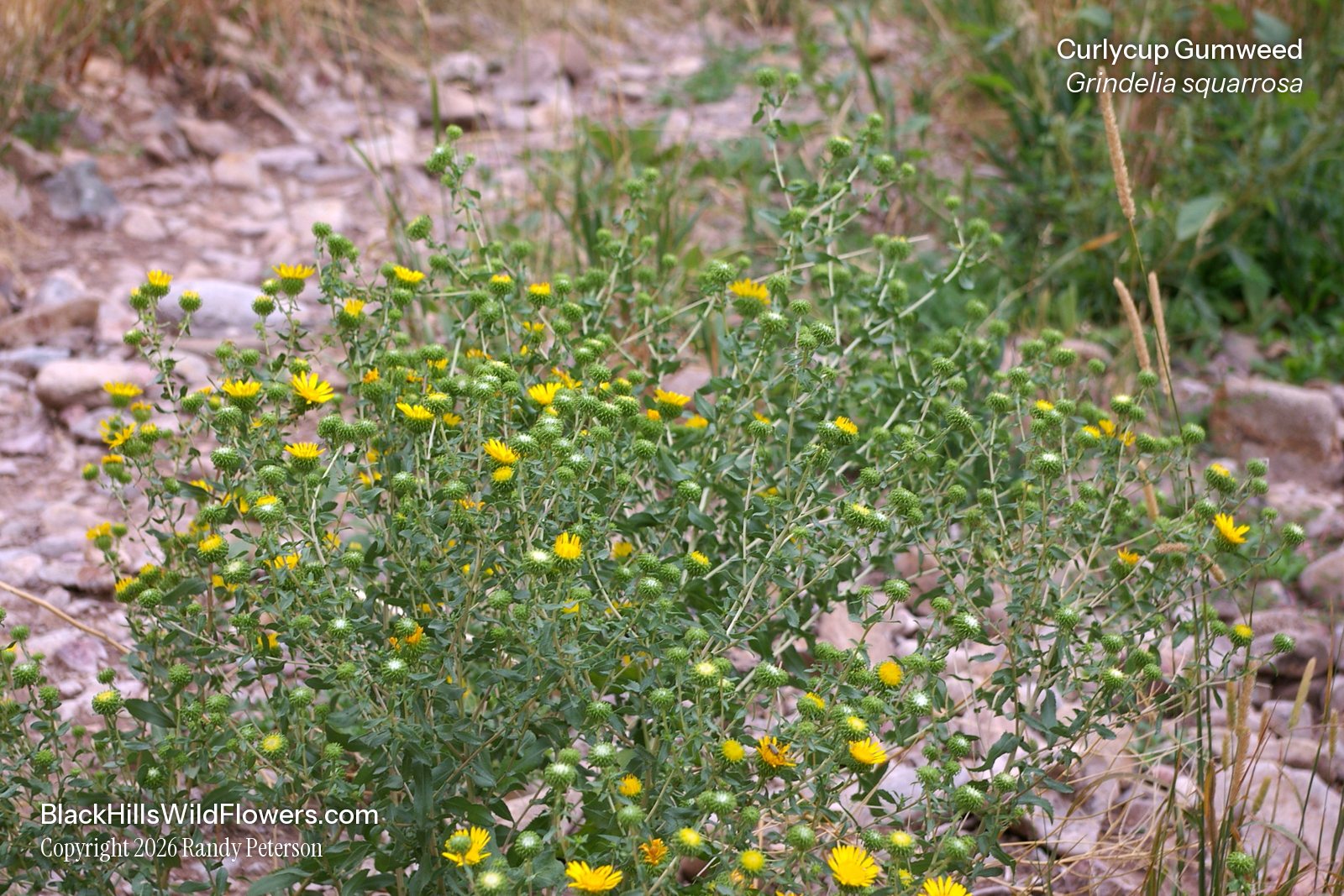
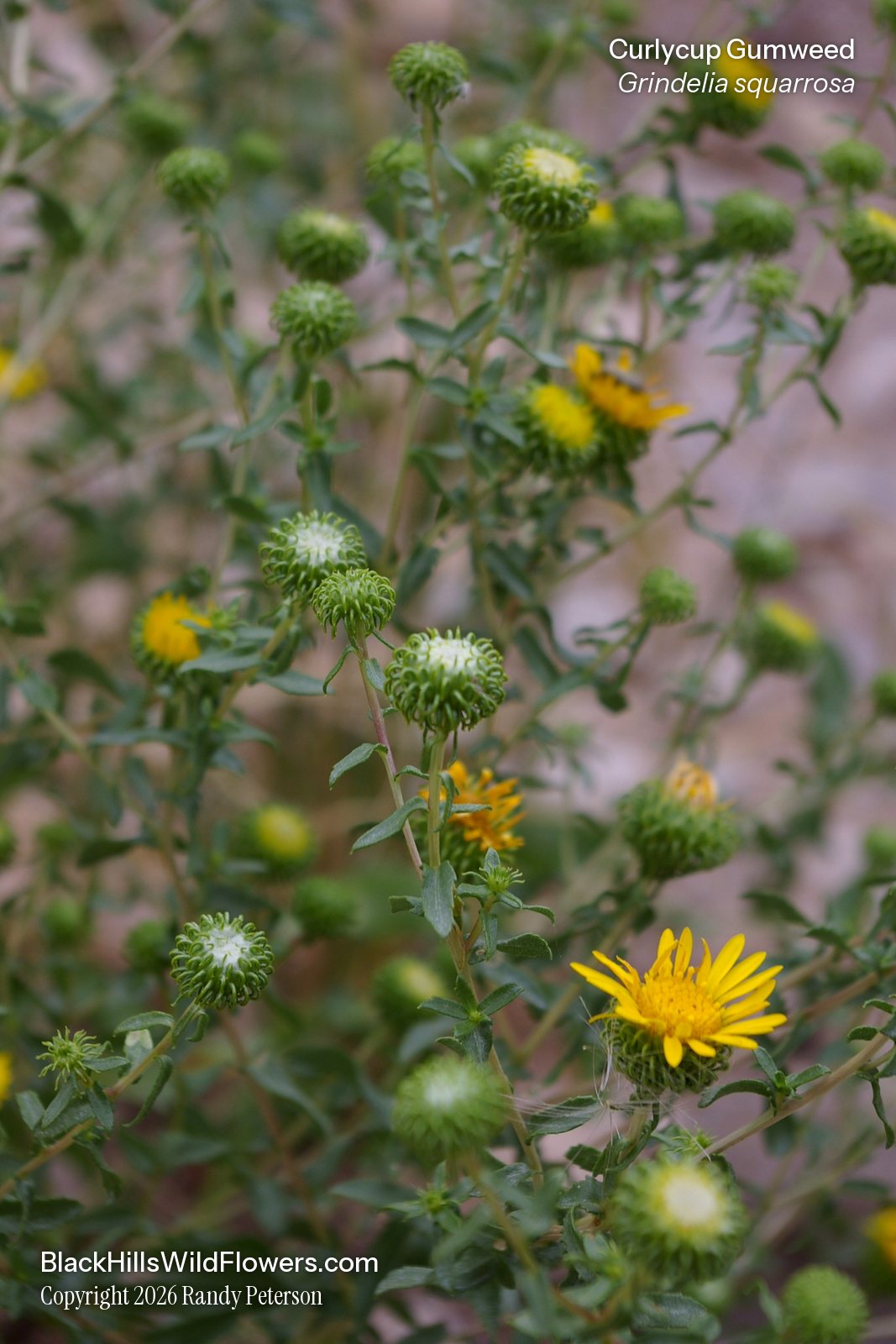
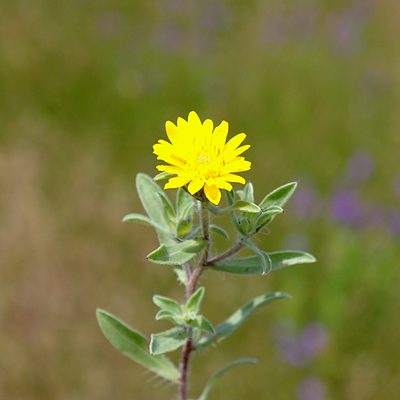
Curlycup Gumweed (Grindelia squarrosa) is a sticky native plant with bright yellow, daisy-like heads set on a cup of curved, resin-coated bracts. It blooms from July into September and is common in dry pastures, roadsides and disturbed areas in the Black Hills. Photographed in the Black Hills.
| Family | Asteraceae · Aster |
|---|---|
| Status | Native biennial |
| Blooms | July into September |
| Height | 30–90 cm (12–36 in) |
| Where | Dry pastures, roadsides and disturbed areas |
| Also called | Gumweed, Curly-top Gumweed, pté íčhiyuha (Lakota) |
| Traditional use | Sitting Bull College's 1998 Culturally Important Plants of the Lakota records an infusion of the plant tops used for asthma and bronchial symptoms. |
Roots, seeds & germination
Root: A stout taproot that can reach 1.5–1.8 m (5–6 ft) deep, with side roots spreading about 70 cm (28 in).
Seed: A dry, one-seeded achene with a few stiff bristles at the tip. Seeds mature in late summer as the heads dry.
How do you identify Curlycup Gumweed?
Look under the flower head: the bracts (small leaf-like scales) curve strongly back and ooze a sticky resin, and the whole head is gummy. The leaves are hairless, gland-dotted and toothed, and they clasp the stem.
When does it bloom?
July into September.
Where does it grow?
Common in dry pastures, roadsides and disturbed areas in the Black Hills. It favors ground with a history of disturbance, such as degraded prairie and spots where livestock gather.
Other flowers to compare
Sources: USDA Forest Service: Black Hills Native Plants; SDSU Open PRAIRIE: Grindelia squarrosa; NDSU Dickinson Research Extension Center: Curlycup gumweed (Manske); Minnesota Wildflowers: Gumweed; Illinois Wildflowers: Curlycup Gumweed; National Park Service, Devils Tower National Monument: Native Plants; Culturally Important Plants of the Lakota (Black Elk and Flying By, Sitting Bull College, 1998), filed with the South Dakota PUC.